
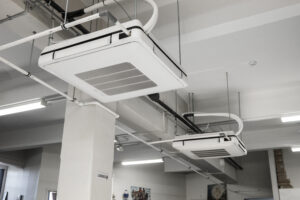
The best air conditioning units for Sydney homes are correctly sized reverse-cycle inverter systems. A split system is usually best for one room, a multi-split system suits several separate rooms, and zoned ducted air conditioning is often the strongest choice for whole-home comfort.
Quick Verdict
Choose a split system for a bedroom, living room, home office or compact apartment.
Choose multi-split air conditioning when several rooms need separate temperature control but there is limited space for outdoor units.
Choose ducted air conditioning when you want quiet, hidden and even comfort across most of the home.
There is no single unit that is best for every Sydney property. A modern apartment, heritage terrace, two-storey house and large suburban home will each have different cooling and heating needs.
The right system depends on:
- Room size
- Ceiling height
- Window position
- Insulation
- Afternoon sun
- Number of occupants
- Available roof space
- Outdoor-unit location
- How many rooms are used at the same time
KYC Air Conditioning states that its team has more than 10 years of industry experience and has serviced or installed more than 2,000 air conditioning systems across Sydney.
Which Air Conditioning Sydney System Is Best for Your Home?
Reverse-Cycle Split System: Best for One Room
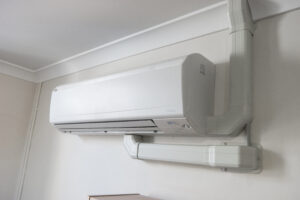
A wall-mounted reverse-cycle split system is often the most practical option for a bedroom, living room, studio apartment or home office.
Reverse cycle means the system can cool the room in summer and provide heating during winter.
A standard split system has:
- One indoor unit
- One outdoor unit
- Refrigerant pipework
- Drainage
- Electrical connections
- A remote or wall controller
Split systems are usually easier to install when the indoor and outdoor units can be positioned close together. Longer pipe runs, difficult access, switchboard upgrades and extra electrical work may increase the installation cost.
A split system may be right for you when:
- You only need to condition one main room
- You want individual temperature control
- You have limited roof space
- You are replacing an existing wall-mounted unit
- You live in a small apartment or townhouse
However, one split system will not normally provide even cooling through several closed bedrooms.
Multi-Split Air Conditioning: Best for Several Separate Rooms
A multi-split system connects several indoor units to one outdoor unit.
This can be useful in Sydney apartments, terraces and townhouses where balcony, courtyard or side access is limited.
Each indoor unit can usually be controlled separately. This allows one person to cool a bedroom while another uses the living room system.
Multi-split air conditioning can suit homes where:
- Several separate rooms need air conditioning
- There is limited space for outdoor units
- A ducted system is not practical
- Different rooms need individual controls
- The homeowner wants fewer visible outdoor units
The main limitation is that the design and installation can be more complex than a basic split-system installation.
Pipe routes, capacity sharing, drainage and outdoor-unit placement must all be carefully planned.
Zoned Ducted Air Conditioning: Best for Whole-Home Comfort
Ducted air conditioning distributes conditioned air through ceiling or wall grilles.
Most of the equipment remains hidden in the ceiling or under the floor. This gives the home a clean and uncluttered appearance.
A zoned ducted system is often the best choice when:
- Most rooms need regular heating and cooling
- You want discreet ceiling outlets
- The property has suitable roof or underfloor space
- You want central controls
- You want to divide the home into different temperature zones
Zoning allows selected areas to be turned on or off. For example, homeowners may run the living zones during the day and bedroom zones at night.
Good duct design is essential. A powerful air conditioner cannot overcome poorly designed ducts, undersized outlets or unbalanced airflow.
Homeowners considering whole-home comfort can learn more about professional air conditioning installation in Sydney.
A Mixed Air Conditioning System: Best for Unusual Layouts
Some Sydney homes work better with a combination of system types.
For example, a ducted system may serve the main bedrooms while a separate split system conditions:
- A rear extension
- A converted attic
- A garage office
- A sunroom
- A frequently used living area
A mixed design can prevent one system from being forced to serve areas with very different heat loads and usage patterns.
Split System vs Multi-Split vs Ducted Air Conditioning
Single Split System
Best suited to: One bedroom, lounge room, studio or compact living area.
Main advantage: Simple controls and a lower entry cost than most whole-home systems.
Main limitation: It may not provide even comfort through several closed rooms.
Practical rating: 8.8 out of 10.
Multi-Split System
Best suited to: Several rooms in an apartment, townhouse or home with limited outdoor space.
Main advantage: Several indoor units can connect to one outdoor unit.
Main limitation: Design, installation and servicing may be more complex.
Practical rating: 8.6 out of 10.
Zoned Ducted System
Best suited to: Larger homes and homeowners who want whole-home comfort.
Main advantage: Hidden equipment, discreet outlets and central zone control.
Main limitation: Higher upfront cost and a need for suitable roof or floor space.
Practical rating: 9.2 out of 10.
Mixed System
Best suited to: Extensions, two-storey homes and unusual floor plans.
Main advantage: Each part of the home can receive the most appropriate system.
Main limitation: Careful planning is needed to avoid unnecessary complexity.
Practical rating: 8.9 out of 10.
These ratings are based on suitability for common Sydney homes. They are not scores for specific manufacturers.
Installation quality, correct sizing and after-sales support can matter more than small differences between two product brochures.
What Size Air Conditioner Does a Sydney Home Need?
Air conditioner capacity should not be selected from floor area alone.
Two rooms of the same size may require very different systems.
One room may face south and remain shaded for most of the day. Another may have large west-facing windows that absorb strong afternoon sun.
A licensed air conditioning installer should assess:
- Room dimensions
- Ceiling height
- Window size
- Window direction
- Glazing type
- Wall and ceiling insulation
- Roof condition
- Open-plan areas
- Connected hallways
- Number of occupants
- Cooking appliances
- Computers and electrical equipment
- Upper-floor heat
- Outdoor-unit ventilation
- Drainage options
- Normal door positions
An oversized air conditioner is not automatically better.
A unit that is too large may reach the thermostat setting quickly, switch off and restart repeatedly. This can produce uneven comfort.
A unit that is too small may run for long periods without properly cooling or heating the space.
Example: Choosing Air Conditioning for a Sydney Apartment
Consider a two-bedroom apartment with a sunny open-plan living area.
The owners use the living room every day. The main bedroom needs cooling at night, but the second bedroom is only used when guests stay.
Installing a system that conditions the entire apartment at all times may not provide the best value.
A carefully designed split or multi-split system may give the owners better control.
Before work begins, the installer should check:
- Strata approval requirements
- Outdoor-unit placement
- Balcony restrictions
- Drainage
- Noise limits
- Building access
- Pipe routes
- Electrical capacity
- Future servicing access
This is why online capacity calculators should only be treated as a starting point.
What Air Conditioning Features Matter Most in Sydney?
Reverse-Cycle Heating and Cooling
Reverse-cycle air conditioning can provide cooling in summer and heating in winter.
This makes it useful for Sydney homes that experience hot summer afternoons and cool winter mornings.
Inverter Technology
An inverter air conditioner adjusts its output as the room approaches the selected temperature.
Instead of operating only at full power and then switching off, it can reduce its output and maintain a steadier indoor temperature.
Low Indoor Noise
Noise matters in bedrooms, nurseries and home offices.
Ask the installer which noise figure applies when the unit runs on its lowest fan setting.
The indoor unit should also be positioned so that sound and airflow are not directed at:
- The bed
- A work desk
- A television area
- A dining table
- A frequently used chair
Good Airflow Design
Strong airflow is not always comfortable airflow.
The goal is to distribute conditioned air across the room without creating a cold blast over people.
A good installer will consider:
- Indoor-unit height
- Furniture position
- Ceiling fans
- Room shape
- Doorways
- Staircases
- Large windows
- Air-return paths
Simple Controls
Timers, schedules and zone controls can improve daily convenience.
However, a long list of features is not helpful when nobody in the home understands how to use them.
Controls should be simple enough for all occupants.
Maintenance Access
Filters, indoor units, outdoor units and ducted components should remain accessible for cleaning and maintenance.
An installation may look neat on the first day but create future problems when technicians cannot easily reach important components.
What Should Air Conditioning Installation in Sydney Include?
A good air conditioning installation begins before any drilling or electrical work starts.
The contractor should inspect the property, discuss how each room is used and explain why a particular system is recommended.
KYC Air Conditioning provides professional air conditioning installation in Sydney for standard and customised residential systems.
A written installation quote should explain:
- Recommended system type
- Recommended capacity
- Indoor-unit position
- Outdoor-unit position
- Pipe routes
- Drainage routes
- Electrical work
- Wall brackets or concrete slabs
- Roof supports
- Access equipment
- Difficult-site charges
- Strata requirements
- Heritage restrictions
- Commissioning
- Testing
- Customer handover
- Labour warranty
- Product warranty
- Exclusions
The best-looking air conditioner may still disappoint when it is badly positioned, incorrectly sized or poorly commissioned.
Choosing a licensed air conditioning Sydney service near me should involve more than selecting the lowest advertised price.
What We Like About Modern Air Conditioning Systems
Modern air conditioning systems offer several practical benefits for Sydney homes.
What We Loved
- Reverse-cycle systems provide heating and cooling
- Split systems allow targeted room comfort
- Ducted systems provide a clean and discreet finish
- Zoning can reduce unnecessary whole-home operation
- Inverter technology can maintain steadier temperatures
- Modern controls make scheduling easier
- Mixed designs can suit unusual layouts
- Individual room control can improve household comfort
Areas for Improvement and Limitations
No air conditioning system is perfect for every property.
Homeowners should be aware that:
- Ducted installation requires suitable space
- Apartments may require strata approval
- Outdoor units need airflow
- Outdoor units need maintenance access
- Cheap quotes may exclude electrical work
- Difficult pipe routes can increase costs
- Filters still require cleaning
- Coils and drains need maintenance
- Incorrect sizing can reduce comfort
- Poor duct design can create noisy or weak airflow
Which Air Conditioning System Should You Choose?
Choose a Split System If:
- You mainly need air conditioning in one room
- You want a straightforward replacement
- You have a smaller budget
- You live in a compact apartment
- You want separate room control
- You do not have suitable roof space
Choose a Multi-Split System If:
- Several rooms require separate indoor units
- Outdoor space is limited
- A ducted system is not possible
- Different rooms have different schedules
- You want fewer outdoor units
Choose Ducted Air Conditioning If:
- You want to condition most of the home
- You prefer discreet ceiling grilles
- Your property has suitable roof space
- You want central controls
- You want room or area zoning
- You are completing a major renovation or new build
Consider Other Options If:
- The contractor has not inspected the property
- The proposed capacity has not been explained
- The quote does not list exclusions
- Warranty responsibilities are unclear
- Strata approval has not been obtained
- Outdoor-unit placement has not been confirmed
Where Should Sydney Homeowners Buy an Air Conditioner?
Buying the equipment and installation as one planned project can make responsibilities clearer.
Before paying a deposit, confirm:
- Who supplies the unit
- Who installs it
- Who performs the electrical work
- Who registers the warranty
- Who handles future faults
- Who provides ongoing servicing
- What happens if extra work is required
An air conditioning installation quote Sydney homeowners can properly compare should show the total installed scope.
It should not display only the equipment price while leaving essential installation costs unclear.
Homeowners looking for affordable air conditioning Sydney for residential properties should compare the long-term value of the installation rather than simply choosing the cheapest upfront price.
How KYC Air Conditioning Can Help
KYC Air Conditioning can inspect your Sydney property and help compare split-system, multi-split and ducted air conditioning options.
The team can assess:
- Room size
- Home layout
- Existing air conditioning
- Roof space
- Outdoor-unit positions
- Electrical requirements
- Drainage
- Airflow
- Zoning needs
- Budget
- Future maintenance access
KYC Air Conditioning also provides residential and commercial air conditioning installation, servicing, maintenance and repairs across Sydney.
This can help homeowners searching for a trusted air conditioning Sydney company with warranty rather than relying on a general online recommendation that has not considered the property.
Evidence, Photos and Long-Term Proof
Real evidence should be specific and verifiable.
When publishing this article, KYC Air Conditioning should include original photographs from genuine 2026 Sydney projects rather than generic stock images.
Recommended evidence includes:
2026 Split-System Installation Photo
Show:
- Indoor-unit placement
- Finished pipe covering
- Clean wall penetrations
- Outdoor-unit support
- Final cable and drain position
Suggested caption:
“Completed 2026 split-system air conditioner installation in a Sydney home by KYC Air Conditioning.”
Only include the suburb when the customer has provided approval.
2026 Ducted Air Conditioning Installation Photo
Show:
- Aligned ceiling grilles
- Zone controller
- Indoor ducted unit
- Return-air grille
- Outdoor unit
- Finished handover
Suggested caption:
“Zoned ducted air conditioning installation completed by KYC Air Conditioning in Sydney during 2026.”
Verified 2026 Customer Testimonial
Add a screenshot of a genuine customer review posted during 2026.
The screenshot should show:
- Review date
- Customer wording
- Review platform
- Business response, where appropriate
Do not describe an older or undated review as a 2026 testimonial.
Useful Measurements to Record
Where practical, project case studies can record:
- Indoor temperature before startup
- Indoor temperature after 30 minutes
- Indoor temperature after 60 minutes
- Outdoor temperature
- Fan setting
- Sound reading
- Ducted airflow readings
- Energy usage over a defined period
Test conditions should be included so readers can understand the results.
Specific measurements are more useful than unsupported words such as “powerful,” “quiet” or “efficient.”
Related KYC Air Conditioning Guides
Planning a new system? Read the 2026 air conditioner buying guide for more information about reliability, noise, support and product selection.
Already experiencing weak airflow, water leaks, unusual noises or poor cooling? Review KYC Air Conditioning’s air conditioning repairs Sydney service before assuming that the entire system needs replacement.
Frequently Asked Questions
What Is the Best Air Conditioner for a Sydney Apartment?
A reverse-cycle split system is often suitable for one main living space or bedroom.
A multi-split system may be more suitable when several rooms need air conditioning and outdoor space is limited.
Strata approval, outdoor-unit placement, drainage, access and noise restrictions should be checked before installation.
Is Ducted or Split-System Air Conditioning Better?
Split systems are usually better for individual rooms, targeted comfort and lower upfront budgets.
Ducted air conditioning is usually better for whole-home comfort, discreet ceiling outlets and central zone control.
The best option depends on:
- Home layout
- Number of rooms
- Roof space
- Budget
- Usage habits
- Outdoor-unit options
Should I Repair or Replace an Old Air Conditioner?
Consider:
- System age
- Type of fault
- Repair cost
- General condition
- Cooling and heating performance
- Parts availability
- Noise
- Previous repair history
- Energy usage
A professional diagnosis is more reliable than replacing the unit based on age alone.
How Often Should Residential Air Conditioning Be Serviced?
The correct service interval depends on:
- System type
- Frequency of use
- Dust levels
- Pets
- Indoor air quality
- Coastal exposure
- Manufacturer recommendations
Homeowners should clean accessible filters as instructed and arrange professional servicing when performance declines, unusual smells appear, water leaks develop or faults occur.
Can One Split System Cool an Entire House?
One split system may affect nearby open areas, but it will rarely provide even cooling through several closed bedrooms.
A multi-split, ducted or mixed air conditioning design is normally more suitable when several rooms need dependable comfort.
What Should I Ask an Air Conditioning Contractor?
Ask:
- How was the system capacity calculated?
- What work is included?
- Is electrical work included?
- Where will drainage go?
- Where will the outdoor unit be installed?
- How will the system be tested?
- What warranty applies?
- Who handles after-sales support?
- What costs are excluded?
Final Verdict: What Is the Best Air Conditioning for Sydney Homes?
The best overall choice is a correctly sized reverse-cycle air conditioning system selected after a property inspection.
For one main room, a quality split system is usually the clearest option.
For several separate rooms with limited outdoor space, a multi-split system may be more practical.
For whole-home comfort and a discreet finish, zoned ducted air conditioning is often the strongest choice when the property has suitable roof or underfloor space.
Overall practical rating: 9.2 out of 10 for a professionally designed and correctly sized reverse-cycle system.
The final recommendation should not be based only on the unit with the longest feature list.
The best air conditioning Sydney homeowners can choose is a system that:
- Fits the property
- Matches how rooms are used
- Is correctly installed
- Provides balanced airflow
- Is simple to control
- Can be maintained
- Includes clear warranty support
About KYC Air Conditioning
KYC Air Conditioning supplies, installs, services and repairs residential and commercial air conditioning systems across Sydney.
Its published service information describes:
- More than 10 years of industry experience
- More than 2,000 Sydney systems serviced or installed
- In-house technicians
- Written quotes
- Installation support
- Maintenance and repair services
- Post-installation assistance