
Sydney Installation Guide • Updated 2026
What Does Professional Air Conditioning Installation Include?
Professional air conditioning installation includes far more than putting a unit on a wall. A proper Air Conditioning Sydney installation normally involves assessing the property, selecting the correct system capacity, positioning the indoor and outdoor equipment, installing pipework and drainage, completing the required electrical work, testing the system, commissioning it and showing the owner how to use it.
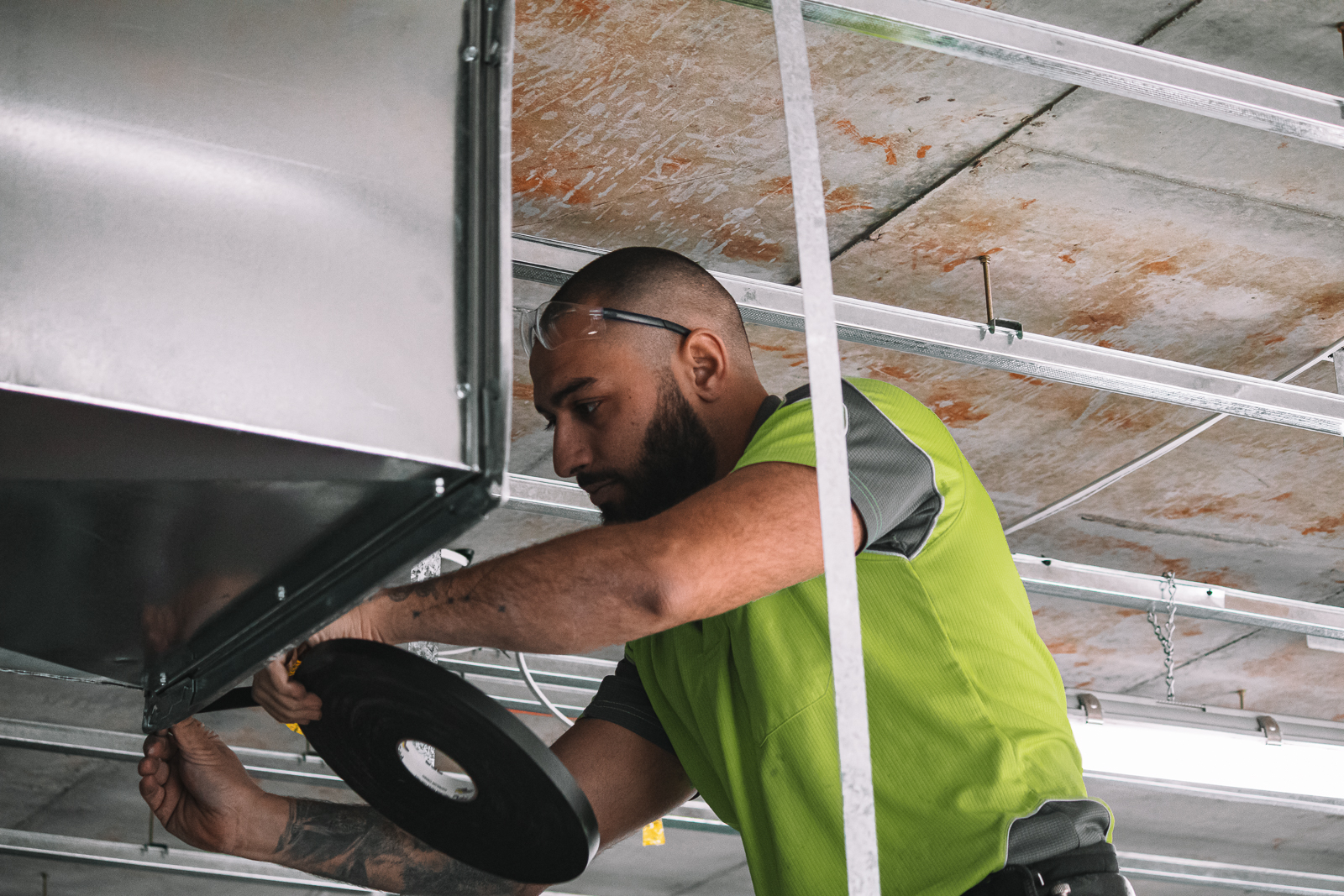
A professional installation involves design, mechanical work, electrical requirements and final commissioning — not simply fitting the visible unit.
What Should Professional Air Conditioning Installation in Sydney Include?
The exact installation inclusions depend on whether you are installing a split system, multi-split system, reverse-cycle system or ducted air conditioning. The property matters too.
An apartment in Randwick can present very different access, strata and outdoor-unit placement issues from a detached house on Sydney’s North Shore. A home in the Eastern Suburbs may also need careful consideration of outdoor-unit exposure, while a larger house may need a more detailed ducted air conditioning design.
That is why a professional installation should begin before anyone drills a hole.
- Pre-installation inspection or site assessment
- System sizing and capacity assessment
- Indoor and outdoor unit positioning
- Mounting and wall penetrations
- Refrigerant pipework and insulation
- Condensate drainage
- Required electrical connections
- Ductwork and zoning where applicable
- Leak, operation and performance testing
- Air conditioning commissioning
- Controller setup and customer handover
- Applicable warranty and compliance information
If you are planning a new system, KYNEX’s air conditioning installation Sydney service explains its installation process in more detail.
1. Does Installation Start With a Site Inspection?
It should.
A good air conditioning installation assessment looks at how the property will actually use the system. The technician may assess room dimensions, insulation, windows, sun exposure, occupancy, ceiling height, usable wall space, outdoor-unit access and the distance between the indoor and outdoor equipment.
For ducted air conditioning Sydney homes, the assessment becomes more detailed because roof space, duct routes, return-air positioning, supply-air outlets and zoning all matter.
A rushed quote based only on a phone conversation may miss installation complexity such as restricted access, long pipe runs, difficult drainage or electrical work.
2. Does Professional Installation Include Correct Air Conditioner Sizing?
Yes. System sizing is one of the most important parts of professional AC installation.
Many homeowners assume that a larger air conditioner must be better. It is not that simple.
A system needs enough capacity to handle the space, but blindly oversizing it is not good design either. The installer should consider cooling and heating requirements rather than selecting equipment from floor area alone.
For a split system
The assessment may consider room size, windows, insulation, orientation, occupants and how the room is used.
For a ducted system
The installer also needs to think about zones, duct lengths, airflow, return-air requirements, available roof space and which rooms will operate together.
Correct sizing can improve comfort and help the system operate as intended.
3. What Physical Installation Work Is Normally Involved?
Once the system design and positions are confirmed, the physical installation begins.
For a wall-mounted split system air conditioner, that typically means installing the indoor unit, positioning and securing the outdoor unit, creating the required wall penetration, and connecting the two units with refrigerant pipework, communication wiring and drainage.
The copper refrigerant lines generally need suitable insulation. The outdoor unit also needs a secure installation position with appropriate access and airflow around it.
A so-called back-to-back installation is usually simpler because the indoor and outdoor units sit relatively close to opposite sides of the same wall. Other layouts may require additional pipework, longer cable routes, pumps, access equipment or more complicated penetrations.
4. Is Electrical Work Part of Air Conditioning Installation?
Electrical requirements are a key part of the job, but the exact work depends on the system and existing property.
NSW electrical wiring work must be completed by appropriately licensed people. A new air conditioner may require items such as suitable wiring, circuit protection, an isolator and, depending on the existing installation and equipment requirements, changes to the electrical supply.
An older Sydney property may have different electrical requirements from a newer home. A switchboard upgrade should never be assumed either way without assessment.
5. What Happens With Refrigerant Pipework?
The indoor and outdoor sections of a split air conditioner work together through refrigerant lines.
Professional installation therefore includes more than connecting two copper pipes.
The refrigerant circuit needs to be installed, prepared and commissioned correctly. Depending on the system and installation process, the technician may perform vacuum procedures, leak checks and other commissioning steps before the equipment is operated.
In Australia, handling regulated refrigerant requires the appropriate refrigerant handling licence.
This is one of the reasons DIY air conditioner installation is very different from installing a normal household appliance.
6. Does Air Conditioner Installation Include Drainage?
Yes. Condensate drainage is an important part of the installation.
When an air conditioner cools humid air, moisture can condense inside the system. That water needs somewhere safe to go.
A professional installation considers:
- Where the condensate drain will run
- Whether gravity drainage is possible
- How the pipe will be supported
- Where the water will discharge
- Whether a condensate pump is needed
- How the drain can be accessed for future maintenance
Poor drainage can lead to water leaks, staining and nuisance problems, so it should not be treated as an afterthought.
7. What Extra Work Is Included With Ducted Air Conditioning?
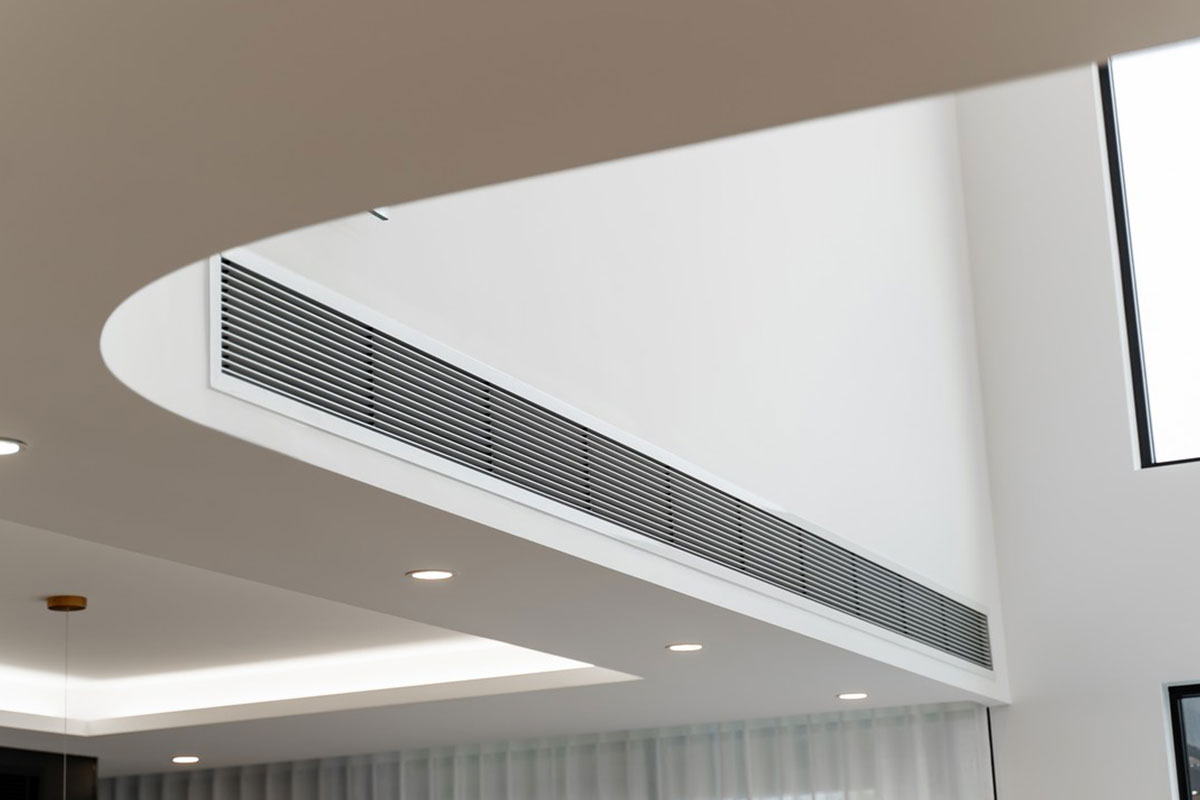
Ducted air conditioning installation involves a much larger air-distribution system.
Instead of one wall-mounted indoor unit, conditioned air travels through ducts to supply-air outlets in different rooms.
A professional ducted installation may therefore involve:
| Component | Why it matters |
|---|---|
| Ductwork | Carries conditioned air through the property. |
| Supply outlets | Deliver air into individual rooms. |
| Return-air grille | Allows air to return to the indoor unit. |
| Zoning | Lets selected areas operate independently where the design allows. |
| Controller | Manages temperature, modes, fan settings and zones. |
| Airflow balancing | Helps distribute air appropriately across the system. |
For more background on choosing and caring for systems locally, see KYNEX’s guide to air conditioning in Sydney.
8. What Is Air Conditioning Commissioning?
Commissioning is the final technical check that confirms the installed system operates as intended.
This is one of the clearest differences between simply mounting equipment and completing a professional air conditioning installation.
Depending on the system, commissioning and system testing can involve checking:
- Refrigerant circuit integrity
- Operating temperatures
- Airflow
- Drainage
- Electrical operation
- Indoor and outdoor unit communication
- Controller functions
- Heating and cooling modes
- Zoning operation on ducted systems
- Unexpected noise or vibration
The goal is simple: the technician should know the system works before leaving the property.
9. What Should Happen Before the Installer Leaves?
A good system handover should help you understand what has just been installed.
You should not be left staring at a controller with no idea what half the buttons do.
The handover may include:
- Air conditioner demonstration
- Remote control or wall-controller setup
- Wi-Fi controller setup where applicable
- Basic operating instructions
- How to change heating and cooling modes
- How zones work
- Filter cleaning guidance
- Maintenance instructions
- Warranty information
- Relevant documentation
KYNEX’s current published process states that its team tests the installed system, tidies the site and provides usage guidance and warranty details at handover.
What Can Change the Scope of an Air Conditioning Installation?
There is no useful single installation price that fits every Sydney property.
Instead, the air conditioning installation cost depends on what the job actually requires.
Interactive Installation Complexity Checker
This does not calculate a price. It shows why your installation may require more work than a basic setup.
Other factors can include additional pipework, difficult wall penetrations, outdoor-unit mounting, drainage pumps, roof-space access, ductwork, zoning, electrical upgrades and strata requirements.
For an exact installation quote, contact KYNEX Air Conditioning & Trades on 0484 59 59 59 rather than relying on a generic online price.
What Sydney-Specific Issues Should an Installer Check?
Air Conditioning Sydney projects can involve local issues that generic installation guides often ignore.
Apartments and strata
In areas such as Randwick, the Sydney CBD, Inner West and Eastern Suburbs, apartments can require more planning around outdoor-unit placement, common property, pipe routes, access and approvals.
Older homes
Older Sydney properties may present tighter roof spaces, existing electrical limitations, unusual wall construction or more complicated installation routes.
Outdoor-unit location
The outdoor unit needs suitable airflow and service access. Placing it in a cramped space simply because it is less visible can create maintenance and performance problems.
Ducted systems
For Ducted Air Conditioning Sydney installations, available roof space, return-air design, duct routing and zoning should be considered before installation starts.
Homeowners comparing residential options can also review KYNEX’s residential air conditioning Sydney service.
How Can You Tell Whether an Installation Quote Is Complete?
Before accepting an air conditioner installation quote, ask for enough detail to understand what is and is not included.
A useful quote should make it possible to identify:
- The proposed air conditioning system
- System capacity
- Indoor-unit position
- Outdoor-unit position
- Pipework assumptions
- Drainage
- Electrical inclusions
- Mounting requirements
- Access requirements
- Ductwork or zoning where applicable
- Commissioning
- Warranty information
- Important exclusions
This makes it easier to compare quotations fairly. A lower headline figure may not represent better value if important parts of the installation are excluded.
Professional Installation vs a Bare-Minimum Installation
| Professional approach | Bare-minimum approach |
|---|---|
| Property assessed first | System chosen mainly from guesswork |
| System sizing considered | “Bigger is better” assumption |
| Indoor and outdoor positions planned | Units placed wherever easiest |
| Drainage route considered | Drainage treated as an afterthought |
| Licensed work and refrigerant handling | Qualifications unclear |
| System tested and commissioned | Unit switched on and job considered finished |
| Customer receives a handover | Little explanation after installation |
How Can KYNEX Air Conditioning & Trades Help?
KYNEX Air Conditioning & Trades provides residential and commercial air conditioning installation across Sydney, including split, multi-split and ducted systems.
Its published process starts with discussing the property and installation needs, followed by a site assessment and formal written quote. Once the work is agreed, the installation is scheduled, completed, tested and handed over to the customer.
This approach is useful because the important decisions happen before installation day: system sizing, placement, pipe routes, electrical requirements, drainage, access and overall scope.
Need an installation assessed?
KYNEX Air Conditioning & Trades
Suite 206 Level 2/71 Belmore Rd
Randwick NSW 2031
0484 59 59 59
For ongoing care after the installation, see KYNEX’s air conditioning maintenance Sydney service.
What Should You Do Before Installation Day?
- Confirm the installation scope.
Read the quote and ask about anything that is unclear. - Confirm unit locations.
Make sure you understand where the indoor and outdoor equipment will sit. - Discuss access.
Clear furniture and make sure technicians can reach the required work areas. - Check approvals.
If you live in strata or another managed property, confirm any required permissions before work starts. - Ask about electrical requirements.
Clarify whether the quoted installation includes the electrical work your property needs. - Ask about old-unit removal.
If you are replacing a system, confirm whether decommissioning and removal form part of the agreement.
Frequently Asked Questions
Electrical work required for the new system forms an important part of installation planning. The exact inclusions depend on your quoted scope and existing electrical installation. Ask specifically whether circuits, isolators or upgrades are included.
A split or multi-split installation requires refrigerant pipework connecting the indoor and outdoor equipment. The length and complexity of the pipe run should be considered when the job is quoted.
Condensate drainage is a necessary part of an air conditioning installation. The method may vary depending on unit location, available fall and whether a pump is required.
Yes. A properly completed installation should include operational testing and commissioning so the installer can confirm the system is working correctly before handover.
It can, but do not assume it is automatically included. Confirm decommissioning, removal and disposal in the written quote before accepting the job.
A ducted installation may include the indoor and outdoor equipment, ductwork, supply outlets, return-air grille, zoning components, controller, electrical work, drainage, refrigerant pipework, airflow setup, commissioning and handover, depending on the agreed design.
There is no reliable single figure because system type, capacity, pipe length, access, electrical work, drainage, mounting, ductwork and property layout can all change the scope. For a property-specific figure, call KYNEX Air Conditioning & Trades on 0484 59 59 59.
Related Air Conditioning Sydney Guides
Continue your research with KYNEX’s guide to choosing a reliable air conditioner for Sydney, especially if you are still deciding what type of system should be installed.
Final Verdict: What Should Professional Air Conditioning Installation Include?
A professional air conditioning installation should cover the whole system from planning to handover.
That means assessing the property, selecting a suitable capacity, planning indoor and outdoor unit locations, installing the equipment securely, completing refrigerant pipework, drainage and required electrical work, adding ductwork and zoning when required, then testing and commissioning the completed system.
The strongest installation is not necessarily the one completed fastest or advertised at the lowest headline cost. It is the one where the installer understands the property, clearly explains what is included and leaves you with a system that has been properly installed, tested and explained.
For Sydney homeowners and businesses, that makes the written installation scope almost as important as the air conditioner itself.