
What Causes Installation Problems With Air Conditioning?
Air Conditioning Sydney installation problems are most often caused by incorrect system sizing, poor airflow, faulty pipework, refrigerant issues, bad drainage, electrical mistakes, unsuitable unit placement or incomplete commissioning after the system is fitted.
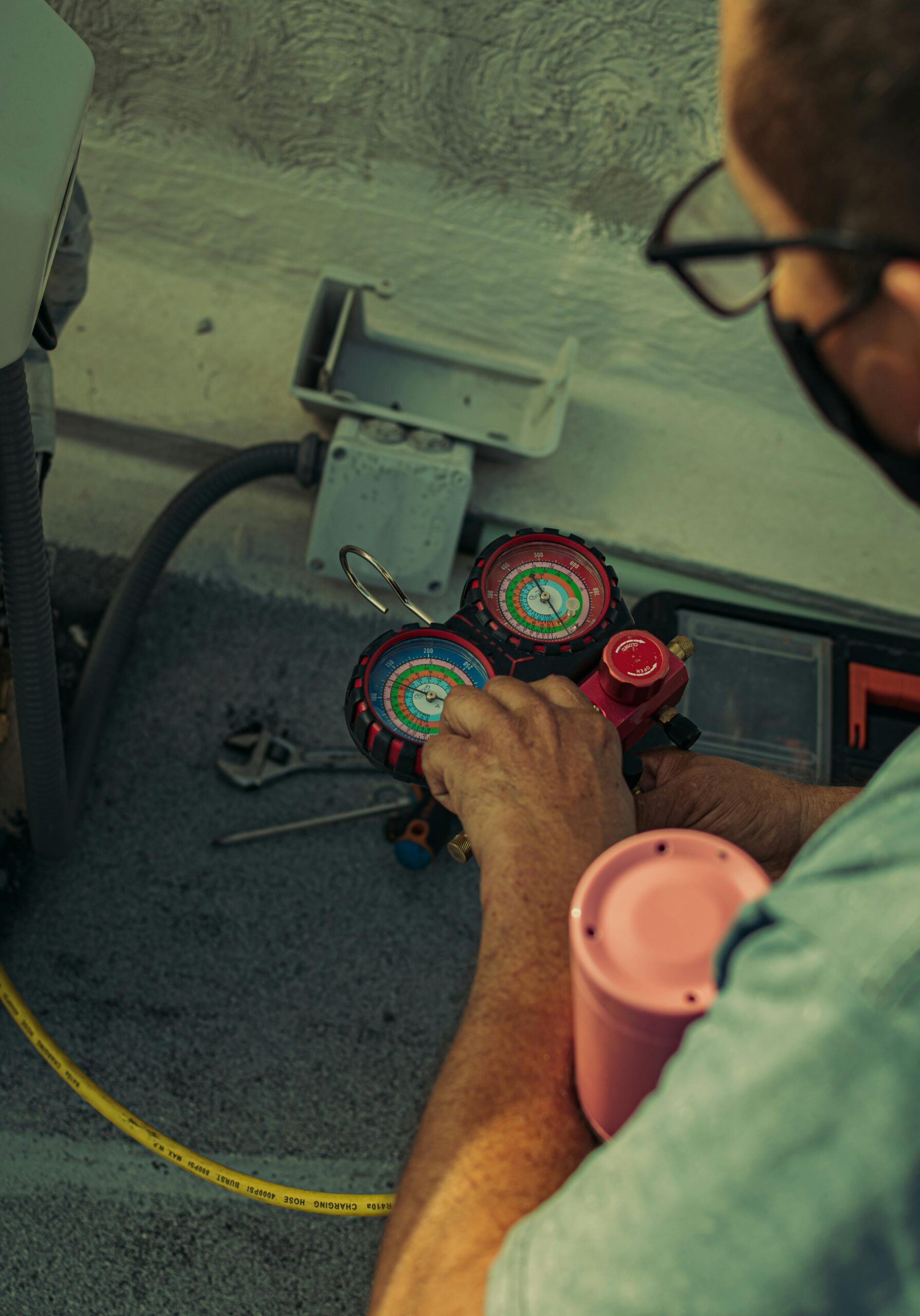
Proper testing and commissioning matter just as much as mounting the indoor and outdoor units.
Installation quality matters whether you are fitting a small split system in an apartment, reverse cycle air conditioning in a family home, or ducted air conditioning across a larger Sydney property.
The important point is that a symptom such as “my new air conditioner is not cooling” does not automatically prove the air conditioner itself is defective. A technician needs to look at the whole installation.
That can include system capacity, room heat load, pipework, refrigerant connections, condensate drainage, return air, duct sizing, electrical supply, outdoor clearance and system setup.
For a broader overview before choosing a system, see KYNEX’s
guide to air conditioning in Sydney.
What Are the Main Air Conditioning Sydney Installation Problems?
Wrong system sizing
Poor airflow or duct design
Pipework or refrigerant faults
Those are only the beginning. Drainage, electrical work, installation location and commissioning can also turn a new system into a frustrating one.
Wrong capacity
An undersized air conditioner may struggle in hot conditions. An oversized system can also create comfort and control problems.
Restricted airflow
Incorrect ducts, blocked airflow paths or inadequate return air can leave rooms uncomfortable even when the equipment is running.
Pipework faults
Poor connections, incorrect pipework or refrigerant problems can reduce cooling and may need specialist diagnosis.
Drainage faults
A poorly arranged condensate drain can contribute to indoor water leaks and moisture problems.
Electrical problems
Incorrect electrical work can cause unreliable operation and may create a safety issue.
Poor commissioning
An installation should not end simply because the unit turns on. The completed system needs to be checked and tested.
1. Can Incorrect Air Conditioner Sizing Cause Problems?
Yes. Incorrect aircon sizing is one of the most important design problems to avoid.
An undersized air conditioner may run for long periods but still struggle to bring the room or home to the desired temperature during demanding weather.
An oversized air conditioner is not automatically better. Bigger equipment can be unnecessary and may not suit the way a smaller room or property needs to be conditioned.
Sizing should consider more than floor area. Ceiling height, window area, insulation, orientation, room use, occupancy and heat entering the building can all change the load.
“Why have you recommended this capacity for my particular room or property?”
This is especially important for Residential Air Conditioning Sydney projects where two homes with similar floor areas may have very different sun exposure, glazing or insulation.
2. What Causes Poor Airflow After Aircon Installation?
Air conditioner airflow problems can come from restricted airflow, poor ductwork installation, incorrect duct sizing, badly sealed ductwork or inadequate return air.
In ducted air conditioning, air has to travel from the indoor unit through the duct network and into each conditioned zone. It also needs a suitable path back to the system.
If that network is poorly designed, one room may feel strong while another receives very little air.
Common clues include:
- one room staying warmer than the others;
- weak airflow at one or more outlets;
- whistling or rushing-air sounds;
- the system running for long periods;
- large temperature differences between zones.
For larger homes considering
Ducted Air Conditioning Sydney, duct layout and return-air planning deserve as much attention as the indoor unit itself.
3. Can Refrigerant and Pipework Errors Stop a New AC From Cooling?
Yes. Poor refrigerant piping, leaking connections, incorrect pipework or refrigerant-system faults can contribute to an AC not cooling after installation.
Refrigerant is the working fluid used by the system to transfer heat. It is not something homeowners should attempt to adjust themselves.
In Australia, work involving fluorocarbon refrigerant is regulated. The Australian Refrigeration Council states that people carrying out relevant refrigeration and air-conditioning work involving fluorocarbon refrigerant need the appropriate Refrigerant Handling Licence.
That includes installation and commissioning activities where there is a risk of refrigerant being emitted.
If you suspect a refrigerant leak, damaged pipework or a commissioning problem, switch off the system if there is an obvious safety concern and arrange professional diagnosis.
4. Why Is My Air Conditioner Leaking After Installation?
Air conditioner drainage problems are another common source of post-installation trouble.
Cooling creates condensation inside the indoor section of the system. That water needs a proper drainage path.
Problems may develop when the drain has inadequate fall, is incorrectly routed, becomes blocked or was not properly checked during installation.
Possible signs include:
- water dripping from the indoor unit;
- water marks near the air conditioner;
- moisture around ceilings or walls;
- unusual gurgling around the drain line.
A leaking indoor unit should not simply be ignored, particularly when water is close to electrical equipment.
5. Can Incorrect Electrical Work Cause Air Conditioning Problems?
Yes. Air conditioning electrical problems can show up as intermittent operation, circuit breaker issues, loss of power or a system that repeatedly shuts down.
NSW Government guidance states that air-conditioning and refrigeration work requires the relevant licence or certificate. Electrical wiring work in NSW is also regulated.
If your new air conditioner keeps tripping a breaker, do not repeatedly reset it without finding the cause.
Burning smells, visible electrical damage, repeated breaker trips, smoke or unusual buzzing need professional attention rather than DIY troubleshooting.
6. Can the Indoor or Outdoor Unit Be Installed in the Wrong Place?
Yes. Indoor and outdoor unit installation problems are sometimes caused by location rather than a faulty component.
The outdoor section needs suitable airflow around it. Poor condenser airflow can make it harder for the system to reject heat.
Placement also needs to consider maintenance access, vibration, drainage, manufacturer clearance requirements and the building itself.
An indoor unit can cause comfort problems if its airflow is blocked or directed badly. Thermostat placement can also matter because the control needs to sense conditions in a useful location.
Local properties add another layer. Air Conditioning Sydney Inner West installations may involve narrow terraces and limited access. Air Conditioning Sydney Eastern Suburbs jobs can involve apartments, balconies and strata conditions. Air Conditioning Sydney CBD and commercial projects can face quite different access and plant-location limits.
7. Why Is Air Conditioning Commissioning So Important?
Commissioning is the final check that the installed system is operating as intended.
A rushed job may appear complete because the air conditioner switches on. That does not tell you whether airflow, drainage, controls and general system operation have been checked properly.
A professional air conditioning installation should include appropriate testing and a handover so the customer understands how to use the system.
KYNEX’s current installation process says its team completes the installation and walks the customer through the setup. Its service information also describes post-installation support.
That final stage matters because it can reveal installation defects before they turn into long-term complaints.
What Makes Air Conditioning Installation in Sydney Different?
Sydney is not one uniform housing market.
An installation in a compact Randwick apartment can be very different from a North Shore home, Inner West terrace or Sydney commercial property.
| Property situation | Installation issue to consider |
|---|---|
| Apartment | Outdoor-unit location, pipe route, drainage, access and possible strata requirements. |
| Older terrace | Limited roof or wall space, difficult pipe paths and room-by-room heat differences. |
| Larger house | Duct layout, zoning, return air and capacity planning. |
| Commercial property | Occupancy, operating hours, access and larger cooling loads. |
Renters also have different constraints. Before making permanent changes, see
rental-friendly air conditioning options in Sydney.
Interactive: What Might Your New Air Conditioner Problem Mean?
How Can You Tell If an Air Conditioner Was Installed Incorrectly?
No single symptom proves poor installation. However, problems that begin immediately or soon after installation deserve attention.
Watch for:
- AC not cooling after installation;
- weak or uneven airflow;
- condensate water leakage;
- unusual vibration;
- new rattling or excessive noise;
- repeated circuit breaker trips;
- one ducted zone receiving very little air;
- the system repeatedly switching on and off;
- controls that do not behave as expected.
Some of these symptoms can also be caused by equipment faults or later maintenance issues, so diagnosis matters.
What Should a Good Air Conditioning Installation Include?
| Stage | What should be considered |
|---|---|
| Assessment | Property layout, room requirements, heat load, access and installation constraints. |
| System selection | Suitable type and capacity rather than simply choosing the largest system. |
| Placement | Indoor comfort, outdoor airflow, service access, drainage and noise considerations. |
| Installation | Pipework, drainage, electrical work, mounting and ductwork where applicable. |
| Commissioning | Check operation, controls, airflow and overall system performance. |
| Handover | Explain operation, basic care and what the owner should watch for. |
Split vs Ducted: Are the Installation Problems Different?
They can be.
Split Air Conditioning Sydney
A split system generally has one indoor unit connected to an outdoor unit. Installation concerns can include unit position, wall penetration, drain routing, pipework, electrical supply, mounting and outdoor-unit clearance.
Ducted Air Conditioning Sydney
A ducted system adds another major element: the air-distribution network.
That means duct sizing, insulation, outlet positioning, zoning and return-air design become more important.
Neither type is automatically better. The right solution depends on the property and the areas you want to condition.
If you are still choosing equipment, read
KYNEX’s guide to reliable air conditioning systems in Sydney.
What Are the Pros and Cons of Professional Installation?
What homeowners gain
- system selection based on the actual property;
- better planning of indoor and outdoor unit positions;
- proper consideration of drainage and airflow;
- regulated refrigerant and electrical work handled by appropriately qualified people;
- commissioning and system handover;
- a clear point of contact if something is not performing properly.
What still needs attention
Professional installation does not mean blindly accepting a quote or system recommendation.
Ask why the system size was chosen, where the outdoor unit will go, how drainage will work, how ducted zones will be supplied and what checks will happen before handover.
What Does Current 2026 Evidence Tell Sydney Homeowners?
This article deliberately avoids invented testing data.
Instead, the key trust points were checked against current sources in August 2026.
NSW licensing
Current NSW Government guidance says a licence or certificate is required before carrying out air-conditioning and refrigeration work in NSW.
Refrigerant handling
Current Australian Refrigeration Council guidance says the appropriate Refrigerant Handling Licence is required for relevant work involving fluorocarbon refrigerants, including installation and commissioning.
KYNEX experience
KYNEX’s current website states more than 10 years of industry experience and more than 2,000 Sydney homes serviced and installed.
Current customer signals
Recent 2026 customer feedback available online describes careful logistical questions before quoting, neat installation work, clean-up after duct installation and help preparing proposed-work information for strata approval.
Evidence checked August 2026. Customer comments are summarised rather than presented as invented first-hand experience. Installation outcomes vary by property and scope.
How Can KYNEX Air Conditioning & Trades Help?
If you are planning Air Conditioning Installation Sydney or think a newly installed system is not performing correctly, KYNEX Air Conditioning & Trades can assess the property and the system rather than assuming the air conditioner itself is the only possible cause.
Its published Sydney installation service includes system recommendations, customised installation planning, full installation, system setup and post-installation support.
For a new installation, start with KYNEX’s
Sydney air conditioning installation service.
Concerned About an Air Conditioning Installation?
Speak with KYNEX Air Conditioning & Trades about your existing system or a planned residential or commercial installation.
Suite 206 Level 2/71 Belmore Rd, Randwick NSW 2031
0484 59 59 59
What About Air Conditioning Sydney Cost?
There is no useful single price that applies to every installation.
The system type, capacity, property layout, access, electrical work, pipe route, drainage, ductwork and installation complexity can all affect the final quote.
For that reason, this guide does not give a fixed installation amount.
For a site-specific price, contact KYNEX Air Conditioning & Trades on 0484 59 59 59.
Should You Repair an Installation Problem or Start Again?
That depends on what is wrong.
A drainage correction or airflow adjustment is very different from discovering that a system has been badly sized for the property.
A technician needs to identify the cause before deciding whether correction, repair, redesign or replacement makes sense.
The better question is not “Can this be fixed?” but:
“What is causing the problem, and what is the least disruptive correct solution?”
Frequently Asked Questions
What causes installation problems with air conditioning in Australia?
Common causes include poor system sizing, weak airflow, ductwork issues, faulty pipework or refrigerant connections, drainage problems, electrical faults, unsuitable equipment placement and poor commissioning. Installation must also meet relevant Australian and state licensing requirements.
Why is my new air conditioner not cooling?
Possible causes include wrong settings, restricted airflow, incorrect sizing, an installation fault, outdoor-unit problems or a refrigerant-system issue. A proper diagnosis is better than guessing.
Why is my air conditioner leaking after installation?
Drain routing, blockage, installation angle or condensate management may be involved. Water close to electrical parts requires prompt attention.
Why is my new air conditioner making noise?
Vibration, mounting, airflow, installation location or a loose component may be involved. Some operating noise is normal, but a new or severe noise should be checked.
Why does my aircon keep tripping the breaker?
A repeated breaker trip can indicate an electrical or equipment problem. Do not keep resetting the breaker without having the underlying cause investigated.
Can incorrect ductwork affect air conditioning performance?
Yes. Duct size, routing, sealing, zoning and return air can affect how effectively conditioned air reaches different parts of the building.
Can bad installation damage an air conditioner?
Some installation faults can place extra strain on equipment or contribute to electrical, drainage, airflow and refrigerant problems. The impact depends on the fault and how long it continues.
Should a new air conditioner be tested after installation?
Yes. Commissioning and operational checks are an important part of completing an installation rather than simply checking that the unit switches on.
Final Verdict
The biggest cause of air conditioning installation trouble is rarely one mysterious fault. It is usually a mismatch somewhere between the equipment, the building and the way the system was installed.
Incorrect sizing, restricted airflow, poor ductwork, pipework faults, drainage errors, electrical issues, bad unit placement and weak commissioning can all lead to a new air conditioner that does not perform as expected.
For Sydney homeowners and businesses, the best prevention is good planning before the installation starts and proper testing before the installer leaves.
If something does go wrong, avoid guessing. Identify the cause first.
About KYNEX Air Conditioning & Trades
KYNEX Air Conditioning & Trades provides residential and commercial air conditioning installation, servicing and repair across Sydney. Its published company information states more than 10 years of industry experience and more than 2,000 Sydney homes serviced and installed.
KYNEX Air Conditioning & Trades
Suite 206 Level 2/71 Belmore Rd, Randwick NSW 2031
0484 59 59 59