
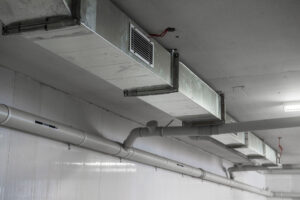
Ducted air conditioning installation in Sydney usually costs between $9,500 and $18,000, although larger, double-storey or difficult projects can exceed $22,000. The best result comes from planning the system around your home, roof space, daily routine and room-by-room heat load—not simply choosing a unit based on the number of bedrooms.
A good ducted system can heat or cool most of a home through discreet ceiling vents. It can also divide the property into zones, allowing you to condition the areas being used.
However, the equipment is only one part of the result. System sizing, duct layout, return-air design, outlet position, insulation and commissioning all affect comfort and running costs.
This complete planning guide explains what Sydney homeowners and businesses should check before requesting a ducted air conditioning installation quote.
Quick Answer
Before installing ducted air conditioning, confirm:
- Whether the roof has enough usable space
- The heating and cooling load of each room
- How many zones are genuinely useful
- Where the indoor and outdoor units will go
- The size and route of the ductwork
- Where the return-air grille will be placed
- Whether the switchboard needs work
- How condensate water will drain
- Which items are included in the quote
- Who will service the system later
For many Sydney homes, reverse-cycle ducted air conditioning provides practical whole-home cooling in summer and heating in winter. It works best when the system is designed for the building rather than sold as a standard bedroom-count package.
How Does Ducted Air Conditioning Work?
A ducted system usually has four main parts:
- An indoor fan-coil unit
- An outdoor condenser
- Insulated ducts
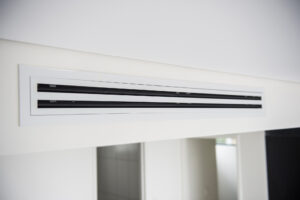
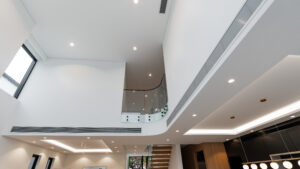
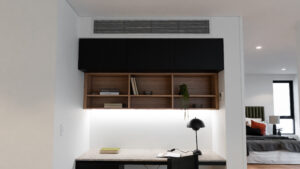
- Ceiling, wall or floor outlets
The indoor unit is commonly installed inside the roof space. It sends conditioned air through the ducts and into selected rooms.
Air from the home is drawn back through a large return-air grille. It passes through a filter, enters the indoor unit and is heated or cooled again.
A reverse-cycle ducted system can both heat and cool. It moves heat rather than creating all its heat directly through an electric resistance element.
The property may also be divided into zones. Each zone controls airflow to a group of rooms through motorised dampers inside the ductwork.
The Australian Government’s Your Home guidance says ducted systems can condition large areas or an entire house. It also recommends well-insulated, sealed ducts and notes that zoning can allow living and sleeping areas to be conditioned separately.
Is Ducted Air Conditioning Right for Your Sydney Property?
Ducted air conditioning can be a strong option when you want:
- Whole-home heating and cooling
- Discreet vents instead of several wall units
- Centralised controls
- Separate living and bedroom zones
- More consistent temperatures between rooms
- A clean interior appearance
It is often suitable for detached homes, larger townhouses, new builds, renovations and commercial premises with enough ceiling space.
However, ducted air conditioning is not automatically the best option for every property.
Ducted air conditioning may suit you when:
- Several rooms are used every day
- You want one central system
- The roof cavity is accessible
- The property has space for practical duct routes
- You plan to remain in the home for several years
- Appearance is important
- You want scheduled or smart zoning controls
Another option may be better when:
- You only need to condition one or two rooms
- The roof has very little usable space
- The property has concrete ceilings
- You rent and cannot make major changes
- Strata rules restrict the work
- Your budget is focused on one immediate area
- Different rooms need completely independent systems
For example, a couple who mainly use one living room and one bedroom may not gain enough value from whole-home ductwork. A family using four bedrooms, a kitchen and two living areas may find a zoned ducted system much more practical.
Compare ducted and multi-split air conditioning for Sydney homes
How Much Does Ducted Air Conditioning Installation Cost in Sydney?
KYNEX’s published 2026 pricing guides place many Sydney ducted projects between approximately $9,500 and $18,000. Simpler installations may begin around $9,500, while large homes, double-storey buildings and difficult retrofits can cost $22,000 or more.
Indicative planning ranges include:
| Property or project type | Broad 2026 range |
|---|---|
| Smaller, straightforward home | From about $9,500 |
| Typical three-bedroom home | About $9,500–$13,500 |
| Typical four-bedroom home | About $12,000–$16,000 |
| Double-storey installation | Often $14,000–$18,000+ |
| Large or complex project | $18,000–$22,000+ |
These figures are not fixed quotes.
Two three-bedroom Sydney houses can need very different systems. One may have an open roof cavity and short duct routes. The other may have low roof sections, old wiring, limited return-air options and difficult outdoor access.
Read the detailed ducted air conditioning installation Sydney price guide
What increases the installation price?
Common cost factors include:
- System capacity
- Number of outlets
- Number and type of zones
- Roof access
- Duct length
- Duct insulation quality
- Return-air design
- Electrical upgrades
- Outdoor-unit access
- Condensate drainage
- Two-storey construction
- Removal of an existing system
- Plaster or building repairs
- After-hours commercial access
A low headline price may exclude items that another installer includes. Compare the full scope, not just the total at the bottom of the quote.
See what ducted air conditioning costs to install in Sydney
How Should a Ducted Air Conditioning System Be Sized?
System size should be based on a heat-load assessment.
A heat load is the amount of heating or cooling a room needs to remain comfortable. It is influenced by more than floor area.
A proper assessment may consider:
- Room dimensions
- Ceiling height
- Window size
- Window orientation
- Direct afternoon sun
- Insulation
- Building materials
- Air leakage
- Number of occupants
- Appliances and lighting
- Sydney suburb and local conditions
- How each room is used
A west-facing room in Penrith may experience a different summer load from a shaded room in a coastal suburb, even if both rooms have the same floor area.
Why bigger is not always better
An oversized system can cost more to buy and may cycle on and off too often.
An undersized system may run continuously during hot or cold weather without reaching the desired temperature.
Correct sizing aims to provide stable comfort while operating within the equipment’s intended range.
Bedroom-count packages can be useful as an early estimate, but they should not replace a site assessment.
Find the right ducted air conditioner size for a three-bedroom Sydney home
How Many Zones Do You Really Need?
A zone is an area where airflow can be opened, reduced or closed through the controller.
Typical Sydney home zones might include:
- Living and kitchen area
- Main bedroom
- Children’s bedrooms
- Guest room or study
- Upstairs
- Downstairs
More zones do not always produce a better system.
The zoning plan must allow enough air to move through the system. Closing too many small zones can create high pressure, airflow noise or reduced performance unless the design manages minimum airflow correctly.
Plan zones around your routine
A practical zoning plan should follow how you use the home.
For example:
- Morning: kitchen and living area
- Working hours: home office
- Evening: living and dining rooms
- Overnight: bedrooms
This can be more useful than dividing the system into “front” and “back” zones without considering when each space is occupied.
A household with small children may want bedroom zones to operate together. A couple with a rarely used guest room may prefer to keep that room separate.
Learn how to plan ducted air conditioning zones in a Sydney home
Why Does Duct Design Matter?
The ductwork carries conditioned air between the indoor unit and the rooms.
Even an efficient air conditioner can perform poorly when ducts are undersized, compressed, leaking or routed badly.
Australian Government guidance recommends insulating ductwork to at least R1.5 and sealing joints to reduce leakage and condensation risk.
Good ductwork should be:
- Correctly sized for the required airflow
- Insulated
- Properly sealed
- Supported without severe sagging
- Routed with gentle bends
- Protected from being crushed
- Accessible where future inspection may be needed
A sharp bend or compressed section can restrict airflow. Long duct runs can also reduce performance if they are not designed correctly.
Why outlet placement matters
Supply-air outlets should help mix conditioned air through the room.
A vent placed poorly may:
- Blow directly onto a bed or desk
- Create a hot or cold corner
- Send air towards an open doorway
- Cause draughts
- Leave the main occupied area uncomfortable
The outlet type and position should suit the room layout, ceiling height and expected airflow.
Why the return-air grille matters
The return-air grille is where room air is drawn back into the system.
It should be:
- Large enough for the system
- In a central location
- Clear of furniture
- Accessible for filter cleaning
- Positioned to support air movement through the home
Bedroom doors and closed zones can affect the path back to the return grille. The installer may need to consider door undercuts, transfer paths or other airflow solutions.
A small or poorly positioned return can increase noise and reduce system performance.
What Should Be Checked Before Installation?
A ducted air conditioning contractor should inspect the property before finalising the design.
Roof-space access
The installer needs to check:
- Available height
- Roof trusses
- Existing insulation
- Electrical cables
- Plumbing
- Solar equipment
- Exhaust ducts
- Safe access routes
- Space for the indoor unit
- Space for future maintenance
A roof cavity may look large from the access hatch but become very narrow near bedrooms or external walls.
Indoor-unit position
The indoor unit should be positioned where it can:
- Connect to practical duct routes
- Drain safely
- Remain accessible
- Limit noise transfer
- Avoid blocking other roof services
Installing it in the most remote corner may reduce indoor noise but make every service visit harder.
Outdoor-unit position
The outdoor condenser needs:
- Open airflow
- A stable base
- Manufacturer-required clearances
- Protection from standing water
- Reasonable service access
- Consideration of neighbours and bedroom windows
For coastal Sydney properties, salt exposure may also affect the preferred location and maintenance plan.
Electrical supply
A new ducted system may need:
- A dedicated circuit
- An isolator
- Safety protection
- Cable upgrades
- Switchboard work
- Three-phase power for some larger applications
The quote should explain what electrical work is included.
Drainage
Air conditioners remove moisture from indoor air.
The resulting condensate must drain to a suitable point. The drain should have the correct fall and should not discharge where it causes slippery paths, staining or damage.
An installer should also consider what happens if the primary drain becomes blocked.
What Happens During the Ducted Air Conditioning Installation Process?
The exact sequence varies, but a professional installation usually follows these stages.
1. Site assessment
The contractor inspects the property, measures rooms, reviews the roof cavity and discusses how the home is used.
2. System design
The installer selects the proposed capacity, zone plan, outlet locations, return-air position and unit locations.
3. Written quotation
You receive a quote that explains equipment, installation work, inclusions, exclusions, warranty and payment terms.
4. Installation preparation
The team confirms access, delivery, parking, roof entry and any furniture or stored items that need to be moved.
5. Indoor and outdoor unit installation
The fan-coil unit is placed in the roof or another approved location. The outdoor condenser is mounted on a suitable base or brackets.
6. Ductwork and outlets
Insulated ducts, dampers, plenums and room outlets are installed according to the planned layout.
7. Electrical and refrigerant connections
Licensed personnel complete the required wiring and refrigerant pipework.
The Australian Refrigeration Council states that a full RAC refrigerant-handling licence allows a qualified person to work on air conditioning Sydney systems of any cooling capacity.
8. Controls and zoning
The controller, sensors and zone motors are connected and configured.
9. Testing and commissioning
The system should be tested rather than merely switched on.
Commissioning may include checking:
- Cooling and heating operation
- Airflow
- Zone response
- Drainage
- Refrigerant operation
- Electrical performance
- Unusual noise or vibration
- Controller settings
10. Handover
The installer explains operation, filter cleaning, zone use, warranty and recommended maintenance.
How Long Does Ducted Air Conditioning Installation Take?
A straightforward residential installation often takes one to two days.
It may take longer when the property has:
- Two or more storeys
- Restricted roof access
- Complex zoning
- Long duct routes
- Switchboard upgrades
- An existing system to remove
- Commercial operating constraints
- Building or strata approval conditions
New construction may allow parts of the installation to be completed at different stages of the build.
Retrofit work can take more planning because the team must work around existing ceilings, insulation, wiring and occupied rooms.
The installation schedule should include time for testing and handover, not just equipment placement.
What Should a Ducted Air Conditioning Quote Include?
A useful ducted air conditioning installation quote in Sydney should identify:
- Proposed system capacity
- Indoor-unit model
- Outdoor-unit model
- Number and type of outlets
- Number of zones
- Controller type
- Duct type and insulation
- Return-air grille size and location
- Refrigerant pipework
- Drainage
- Electrical work
- Outdoor mounting method
- Removal of an old system
- Ceiling or wall repairs
- Disposal of waste and packaging
- Labour warranty
- Manufacturer warranty
- Expected installation duration
- Exclusions and potential extras
Ask whether the quote is fixed or subject to findings during installation.
Also ask who is responsible for repairing plaster, paint or roof access damage if alterations are needed.
Questions worth asking
- How was the proposed capacity calculated?
- Can you show me the planned duct routes?
- Why have these zones been selected?
- What happens when only one small zone is open?
- Is the duct insulation rating stated?
- How will the system drain?
- Can the indoor unit be reached for servicing?
- Is switchboard work included?
- What commissioning checks will be completed?
- What documents will I receive after installation?
Is Energy-Efficient Ducted Air Conditioning Possible?
Yes, but efficiency depends on the whole installation.
Useful features may include:
- Inverter operation
- Sensible zoning
- Good duct insulation
- Sealed duct joints
- Correct system sizing
- Smart scheduling
- Temperature sensors
- Well-insulated ceilings and walls
- Window shading
- Regular filter cleaning
Zoning can reduce the area being conditioned, but it should be designed around minimum airflow requirements.
Home improvements can also reduce demand on the system. Ceiling insulation, window coverings and draught sealing may help the home remain comfortable with less heating or cooling.
NSW currently provides eligible air-conditioner incentives as upfront discounts through participating providers. Eligibility, equipment requirements and available amounts should be checked before accepting a quote because the scheme rules and offers can change.
How Can KYNEX Air Conditioning & Trades Help?
KYNEX Air Conditioning & Trades provides ducted air conditioning installation for residential and commercial properties across Sydney.
Its published service information states that the team has more than 10 years of combined industry experience and has serviced or installed systems in more than 2,000 Sydney homes and commercial spaces.
For a new ducted air conditioning system, KYNEX can help with:
- Property assessment
- System selection
- Ducted air conditioning design
- Capacity planning
- Zone planning
- Indoor and outdoor unit placement
- Ductwork installation
- Electrical and drainage coordination
- Installation and testing
- System handover
- Ongoing maintenance and repairs
KYNEX also handles both residential and commercial air conditioning work, so the design can reflect the different needs of homes, offices and other business premises.
Explore ducted air conditioning installation in Sydney
Pros and Cons of Ducted Air Conditioning
What homeowners often value
- Whole-home comfort
- Discreet ceiling outlets
- Central control
- Heating and cooling from one system
- Flexible zone schedules
- Fewer visible indoor wall units
- Potential suitability for larger families
Limitations to consider
- Higher upfront cost
- Requires suitable installation space
- More complex design
- Greater disruption than a single split system
- Duct losses can affect performance
- One main system serves several areas
- Repairs may affect whole-home comfort
- Poor zoning can create airflow problems
Is Ducted Air Conditioning Suitable for Older Sydney Homes?
Sometimes.
Older Sydney homes can have:
- High ceilings
- Double-brick walls
- Limited roof access
- Decorative plaster
- Existing gas ducts
- Ageing switchboards
- Draughts
- Heritage restrictions
A retrofit may still be possible, but it requires a careful inspection.
Existing ducts should not automatically be reused. They may have the wrong size, insulation, condition or layout for a new reverse-cycle system.
An older home may also benefit from insulation and draught improvements before or alongside installation.
Frequently Asked Questions
How much is ducted air conditioning for a four-bedroom Sydney home?
KYNEX’s published 2026 guidance places many four-bedroom installations around $12,000 to $16,000. Difficult access, double-storey construction, extra zones and electrical work can increase the price.
How many zones should a ducted system have?
There is no ideal number for every home. Zones should reflect room use while maintaining the system’s required airflow.
Can ducted air conditioning be installed in an existing home?
Yes, when the building has suitable roof, ceiling or underfloor space. A site assessment is required to confirm practical duct routes and access.
Is reverse-cycle ducted air conditioning suitable for Sydney?
Yes. It can provide both cooling and heating across Sydney’s warm summers and cooler winter periods.
Does every bedroom need its own zone?
Not necessarily. Bedrooms used at the same time may be grouped. Separate zones provide more control but can add cost and design complexity.
Can I run only one ducted zone?
Sometimes, but it depends on the size of the zone, airflow requirements and system design. A very small open zone may not provide enough airflow for safe and efficient operation.
How often should a ducted system be serviced?
Maintenance needs vary with usage and site conditions. KYNEX recommends yearly professional checks for ducted systems, including filters, ducts and system performance.
How long does ducted air conditioning last?
KYNEX states that a properly maintained ducted system may typically last around 15 to 20 years. Actual service life depends on equipment, installation quality, usage, environment and maintenance.
Is ducted air conditioning noisy?
A well-designed system should operate quietly, but poor return-air sizing, high duct pressure, unsuitable outlet selection or bad unit placement can create noise.
Can ducted air conditioning add value to a home?
It may improve comfort and buyer appeal, but any increase in property value depends on the home, market and quality of the installation.
Related Sydney Air Conditioning Guides
- Ducted air conditioning installation Sydney price guide
- How much does ducted air conditioning cost to install in Sydney?
- How to plan zoning for ducted air conditioning
- What size ducted air conditioner does a three-bedroom home need?
Final Ducted Air Conditioning Planning Checklist
Before approving the installation, confirm that you understand:
- The proposed system capacity
- Why that capacity was selected
- The number and purpose of each zone
- The duct layout
- The insulation used on the ducts
- Outlet positions
- Return-air size and location
- Indoor-unit service access
- Outdoor-unit clearances
- Drainage arrangements
- Electrical requirements
- Noise considerations
- Installation duration
- Included building work
- Warranty terms
- Ongoing maintenance needs
- The final quoted price
Do not approve a design you do not understand. A professional ducted air conditioning installer should be able to explain the proposal in clear language.
Final Verdict
Ducted air conditioning installation in Sydney is worth considering when you want discreet, whole-home heating and cooling with practical zone control.
For many residential projects, the total 2026 investment is likely to fall between approximately $9,500 and $18,000. Larger or more complex installations can exceed $22,000.
The best system is not always the one with the largest capacity, the most zones or the lowest quote.
A successful installation depends on:
- Accurate sizing
- Sensible zoning
- Good duct design
- Correct insulation
- Effective return airflow
- Safe drainage
- Service access
- Proper commissioning
KYNEX Air Conditioning & Trades can inspect your Sydney property, design a system around its layout and provide a detailed ducted air conditioning installation quote.
Bottom line: Plan the ducts, airflow and zones before choosing the equipment. A carefully designed system should deliver better comfort, quieter operation and more useful control than a generic package selected only by bedroom count.