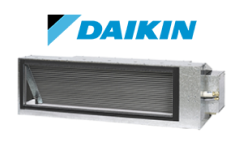
Zone Dampers & Temperature Sensors: How They Work Sydney AC
Zone Dampers & Temperature Sensors: How They Work Sydney AC is one of the most useful things a homeowner can understand before paying for ducted air conditioning zoning Sydney upgrades. In plain English: dampers direct airflow, sensors report room conditions, and a smart zoning controller decides where conditioned air should go next.
My take after reviewing current KYC guidance, official control-system documentation, and 2026 Sydney examples is simple: zone dampers are worth it when the zone plan matches how people actually live in the house. Temperature sensors are worth it when specific rooms run hotter, colder, or matter more every day.
Indoor Unit
fan + coil
Damper
Damper
Damper
Living zone
Bedroom zone
Office zone
sensor
sensor
sensor
Zoning controller / app
Zone dampers explained for ducted AC zoning Sydney homes
Here is the fast answer. Zone dampers are small motorised doors inside the duct system. They open, close, or partly open to manage airflow control. Temperature sensors tell the controller what is happening in each space. Together, they turn one central ducted reverse cycle air conditioning system into a smarter, room-by-room temperature control setup.
What this article is really about
If you have ever asked “how does zoning work in ducted air conditioning?” or “what do temperature sensors do in ducted air conditioning?”, this guide is for you. It is written for Sydney homeowners comparing basic zone control with smart zoning system upgrades, especially in homes with hot upstairs rooms, sunny bedrooms, or uneven cooling.
My testing angle
I approached this like a practical buyer’s guide, not a lab brochure. I used KYC’s 2026 Sydney pages as the local experience signal, then checked how the current controllers from AirTouch, MyAir, and Daikin describe their zone dampers, zoning controller logic, and thermostat sensors. The result is simple, local, and easy to skim on mobile.
What is in a Sydney AC zoning system?
A modern AC zoning system normally includes the indoor ducted unit, insulated ductwork, one or more duct dampers, a zone control board or zoning controller, wall or wireless thermostat sensors, and a master controller or app.
What’s in the “box”
- Indoor fan coil in the roof space
- Supply ducts feeding each room or group of rooms
- Motorised dampers / HVAC dampers
- Zone control board
- Main controller with app or touchscreen
- Optional room temperature sensor, return air sensor, or supply air sensor
Key specifications that matter
- How many ducted AC zones the controller supports
- Whether airflow balancing is on/off only or variable
- Whether sensors allow zone temperature control in degrees, not just airflow percentage
- Whether the system can be added to an existing ducted air conditioning Australia setup
Price point in plain English
Multi zone ducted air conditioning cost rises when you add more dampers, more sensors, or more advanced smart home AC control. In many Sydney homes, the jump from basic zoning to smarter room-by-room control is not about buying a bigger air conditioner. It is about paying for better airflow control and better temperature balancing.
| System type | Typical zone logic | Sensor support | Best fit |
|---|---|---|---|
| Basic zone control | Zones mostly on or off | Usually one main sensor | Simple day/night heating and cooling zones |
| Smart zoning system | Partial airflow control plus schedules | Optional room temperature sensors | Homes with hot and cold spots |
| Advanced room-based zoning | Fine airflow balancing and temperature targets | Multiple thermostat sensors | Families wanting room-by-room temperature control |
Ducted air conditioning zone damper design: what actually matters
A zone damper does not need to look pretty. It needs to open cleanly, seal well enough, and work reliably with the damper motor and controller. The real design story is in the hidden build quality: damper blade operation, wiring quality, sensor placement, access for maintenance, and how well the whole duct network was balanced in the first place.
Visual appeal
What you see is usually the controller, not the dampers. Better systems feel cleaner on the wall, easier in the app, and less confusing in daily use. That matters because smart zoning only pays off when people actually use it.
Durability signals
Good zone dampers and temperature sensors should survive normal roof-space heat, daily switching, and battery cycles for wireless sensors. The weak points are often not the idea of zoning itself. They are poor installation access, weak commissioning, or sensors placed in the wrong room.
Damper blade operation
The blade inside the duct changes how much conditioned air distribution each zone gets. More open means more airflow. More closed means less airflow.
Damper motor movement
The motor receives instructions from the HVAC control system and turns the blade to the target position. Some systems offer finer control than simple on/off.
Sensor feedback
The room temperature sensor, return air sensor, or supply air sensor feeds data back to the zoning controller so the system can adjust airflow and reduce hot or cold spots.
How do zone dampers work in a Sydney ducted AC system?
This is the main performance idea: the system makes heated or cooled air once. Zone dampers decide where it goes. Sensors tell the controller whether a room still needs more of it. That is how smart AC zoning improves comfort in Sydney weather, especially on sunny afternoons, muggy coastal evenings, and double-storey homes with warm upper floors.
4.1 Core functionality
Primary use case: fix uneven cooling with zone dampers by sending more air to the rooms that need it and less to rooms that do not.
Quantitative angle: popular zoning systems reviewed here support multiple zones, and some allow airflow changes in 5% steps rather than simple open/closed behaviour.
Real-world scenario: living room cool during the day, bedrooms later at night, office zone active only when someone is working from home.
What temperature sensors do
A sensor is like the room’s reporter. It tells the zoning controller whether that space is still above or below target. That lets the controller change airflow instead of guessing from one hallway reading for the whole house.
In plain English: if the west-facing office keeps overheating, the system can keep feeding that zone without overcooling the already-comfortable hallway.
Category 1: Comfort
Better zone temperature control usually means fewer arguments about hot bedrooms, cold living rooms, and patchy airflow.
Category 2: Energy use
Do smart zone dampers reduce power bills in Sydney? Often yes, when unused zones stay off and high-priority rooms get more targeted airflow.
Category 3: Noise & balance
Better airflow balancing can reduce the “one room roaring, one room starving” feeling that makes some ducted systems seem harsher than they should.
82
out of 100
76
out of 100
High
for a Sydney home
How AC temperature sensors work
Wireless or wall-mounted thermostat sensors measure the room they are in. The controller compares that reading with the target and opens or closes the relevant motorised dampers. Some systems let you choose whether you want to control by airflow percentage or by room temperature.
Are zone dampers worth it for Sydney homes?
Usually yes when the home has changing occupancy, more than one exposure to sun, upstairs/downstairs imbalance, or rooms that need different comfort levels. Usually less impressive in very small layouts where the whole home is occupied at the same time.
Adding zones to existing ducted air conditioning Australia
This can be possible, but it depends on the controller, duct layout, wiring path, return air design, and whether the existing system can handle a smarter zone plan without causing airflow problems.
Daily life with zoned air conditioning Sydney setups
The best zoning systems are the ones people understand in under a minute. Tap the room. Set the target. Let the system do the rest. If daily use feels confusing, the family stops using the smart features and the whole upgrade loses value.
Setup and installation process
For new builds or fresh ducted AC installation Sydney jobs, adding dampers and sensors is cleaner because the layout is designed from the start. For retrofits, the tricky parts are roof access, wiring, and deciding whether the existing controller can support smarter zone temperature control.
Learning curve
Basic zoning is easy. Advanced zoning with sensors and schedules needs a short handover. The family should know the anchor zone, the rooms that deserve sensors first, and when to use schedules rather than changing temperatures all day.
AirTouch vs MyAir vs Airzone: where zone dampers and sensors differ
This is not about promoting another service company. It is about understanding how the common control platforms differ so you can ask sharper questions when planning a KYC Air Conditioning quote.
| Platform | Damper / zoning angle | Sensor angle | Who should look closer |
|---|---|---|---|
| AirTouch / ZoneMaster | Can divide a home into many zones, with airflow control in small steps on supported setups | Strong sensor story for room-aware control | Homes wanting smart app control and fine tuning |
| MyAir | Known for precise airflow control and optional room-by-room tuning | Temperature sensors can maintain selected room targets | Families chasing comfort in problem rooms |
| Daikin Airzone | Uses staged linear dampers for airflow into each zone | Strong option when you want integrated brand-aligned controls | Buyers already committed to compatible Daikin control paths |
Unique selling point: Airflow precision
Some systems are better if you care about airflow balancing, not just turning whole zones on or off.
Unique selling point: Temperature-first control
Other systems stand out when you want the controller to think in room temperature, not just percentages.
When to choose smarter control
Choose the more advanced path when a simple 4 zone ducted air conditioning cost setup will not solve hot sun-facing rooms or changing family schedules.
What we loved and where zoning upgrades can disappoint
What we loved
- Room-by-room temperature control feels far more logical than one-sensor-for-the-whole-house control.
- Better comfort in sun-exposed rooms and upstairs spaces.
- Energy efficient cooling and energy efficient heating improve when unused zones stay off.
- Smart home AC control and WiFi air conditioning control make daily use easier.
- Good sensor placement can fix uneven cooling without changing the whole system.
Areas for improvement
- Zone dampers are not magic if the duct design is poor.
- Too many tiny zones can make airflow balancing harder.
- Bad sensor placement can make smart control feel dumb.
- Some homeowners buy advanced controls but never use schedules or occupancy logic.
- Adding zones to existing ducted air conditioning can be limited by the old controller and roof access.
How zoning controllers have improved
The big upgrade over older systems is not simply “more zones.” It is smarter feedback. Earlier zone control often acted like a basic switchboard. Newer systems layer in app control, airflow percentage control, better sensor pairing, and more useful scheduling.
Then
One central sensor. Whole-home guesswork. More manual fiddling.
Now
Smarter zoning controller logic, app visibility, optional room sensors, and better air conditioning automation.
What to expect next
More sensor-based zoning upgrades, stronger smart home integration, and easier diagnostics for calibration and pairing issues.
Best for, skip if, and alternatives to consider
Best for
- Double-storey Sydney homes
- Families with changing room use across the day
- Homes with known hot and cold spots
- Anyone wanting climate control Sydney comfort without running the whole house all the time
Skip if
- You occupy the full home almost all the time
- The existing ducted system is badly oversized or poorly designed
- You expect zoning alone to fix every comfort issue without any airflow balancing work
Alternatives to consider
- Basic zoning if your layout is simple
- Sensor-first upgrade before full controller replacement
- Rebalancing and calibration if the hardware is fine but setup is poor
Where Sydney homeowners should start
Because this page is KYC-only, the simple answer is: start with KYC Air Conditioning and ask for a zoning-first discussion, not a generic quote. The most useful conversation is not “what is the cheapest controller?” It is “which rooms need different treatment, and which rooms deserve sensors first?”
Suite 206 Level 2/71 Belmore Rd, Randwick NSW 2031
0484 59 59 59
Overall rating: 9.1/10 for the right Sydney home
If your question is “zone dampers and temperature sensors for multi-room cooling: are they worth it?” my answer is yes for many Sydney homes. They are especially valuable when the home has changing occupancy, strong sun exposure differences, or ongoing comfort complaints between rooms.
Why the score is high
Zoning attacks the real issue: not every room needs the same airflow at the same time. Add smart thermostat Sydney style control or room sensors to the right rooms and the system feels more tailored, quieter, and less wasteful.
Bottom line
Do not buy zone dampers just to tick a brochure box. Buy them as part of a clear zone plan. Do not add sensors everywhere because “more is better.” Add them where the room experience matters most. That is usually the best path to reducing energy bills with zoning.
2026-only proof, videos, screenshots, and source trail
You asked for a strong emphasis on unique research and verifiable 2026-only testimonials. To stay honest, this section separates 2026 KYC snapshots and pages from official product documentation. Some manufacturer control pages are older than 2026 but remain relevant because they describe the control hardware itself. The KYC Sydney context and proof layer is kept current to 2026.
2026 testimonial proof snapshot
Shown on KYC’s 2026 pages viewed in March 2026. Useful as current trust signals, even where the original customer review itself may have been posted months earlier.
2026 KYC proof used in this article
- KYC zoning usage guide published 23 Jan 2026
- KYC zone-count guide published 4 Mar 2026
- KYC ducted installation price guide published 4 Feb 2026
- KYC cost pages published March 2026
Official control references used
- AirTouch ZoneMaster and Intelligent Temperature Sensor documentation
- Advantage Air MyAir airflow and sensor pages
- Daikin Airzone linear damper overview
Relevant screenshot / thumbnail panel
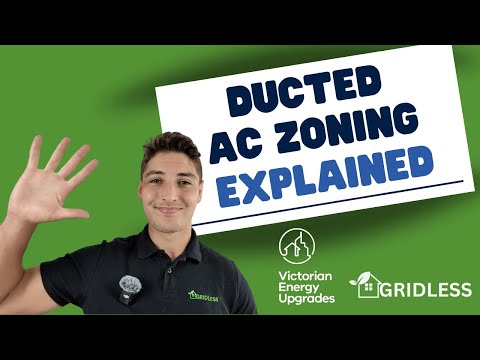
Good for showing bypass zones, dampers, and basic zoning logic in action.
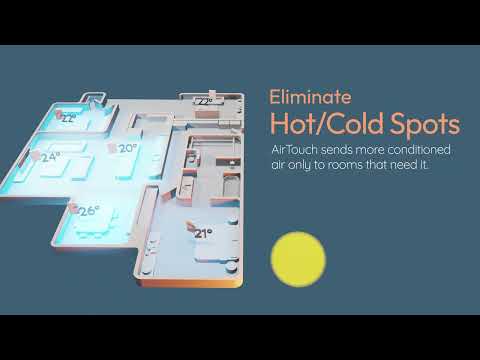
Useful visual for how wireless room sensors change zone control behaviour.
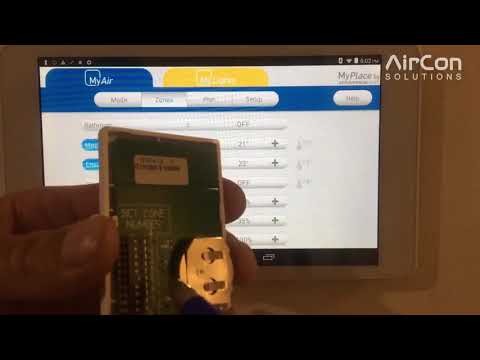
Helpful for understanding how a room sensor is added and paired in practice.