
What Size Reverse Cycle Ducted Air Conditioning System Do I Need For My House?
What size reverse cycle ducted air conditioning system do I need for my house?
In most Sydney homes, the right answer is not “buy the biggest unit.” It is the smallest reverse cycle ducted air conditioning system that can handle your peak cooling capacity and heating capacity without running flat-out all day, short cycling, or leaving rooms uneven.
This guide is written in a clear, practical KYC style for real homes: 3 bedroom houses, 4 bedroom houses, open plan living areas, double storey homes, and tricky roof spaces. It explains ducted system sizing, zoning system choices, house air conditioning capacity, and when to get a professional air conditioning assessment.
Mobile friendly
Interactive sizing tool
2026-only proof section
Often lands around the mid-range, but layout, ceiling height, insulation, and sun exposure matter more than bedroom count alone.
A common Sydney starting band is roughly 12kW to 16kW for many homes when zoning and open-plan areas are factored in.
Right sizing beats oversized air conditioner and undersized air conditioner mistakes almost every time.
Suite 206 Level 2/71 Belmore Rd, Randwick NSW 2031
0484 59 59 59
Visit homepage
What size ducted air conditioner do I need? Start with the house, not the brochure
The most common sizing mistake I see in Sydney is simple: people size a reverse cycle system for house use by bedroom count only. That sounds easy, but it breaks the moment you add a big open plan living area, west-facing glass, a dark roof, poor insulation, or high ceilings. A 3 bedroom home can need more kW air conditioner size than a compact 4 bedroom home if the living zone is large and sunny.
KYC’s own 2026 sizing content keeps coming back to the same point: right sizing means choosing the smallest unit that can still cope with Sydney peak load, rather than picking a bigger box “just to be safe.” That is how you avoid noisy starts, short cycling, poor airflow, and high electricity bills.
Who this article is for
- Homeowners asking “what size reverse cycle aircon do I need?”
- Families comparing ducted air conditioning for small homes vs ducted air conditioning for large homes
- Anyone planning reverse cycle ducted air conditioning installation in Sydney
- People who want whole-home comfort without bill shock
EEAT / bio
This article follows the voice and experience signals from KYC Air Conditioning’s published Sydney ducted guides and service pages. The practical lens is local: house layout and airflow, zoning efficiency, return air grille size, supply air outlets, and how Sydney homes actually behave across summer heat and winter heating needs.
Helpful internal reading:
Best Ducted Air Conditioning System Sydney
Reverse cycle ducted air conditioning: how it works, what’s included, and what actually matters
A reverse cycle ducted air conditioning system cools in summer and heats in winter through one hidden indoor unit, one outdoor unit, insulated ductwork, a controller, and ceiling grilles. It is a whole-home solution, not just a single-room appliance. That is why ducted heating and cooling decisions should be made around square metres, room volume, zoning system design, and daily living patterns.
What’s “in the box” in plain English
- Indoor unit in the roof space
- Outdoor unit
- Ductwork and insulation
- Zone motors or dampers
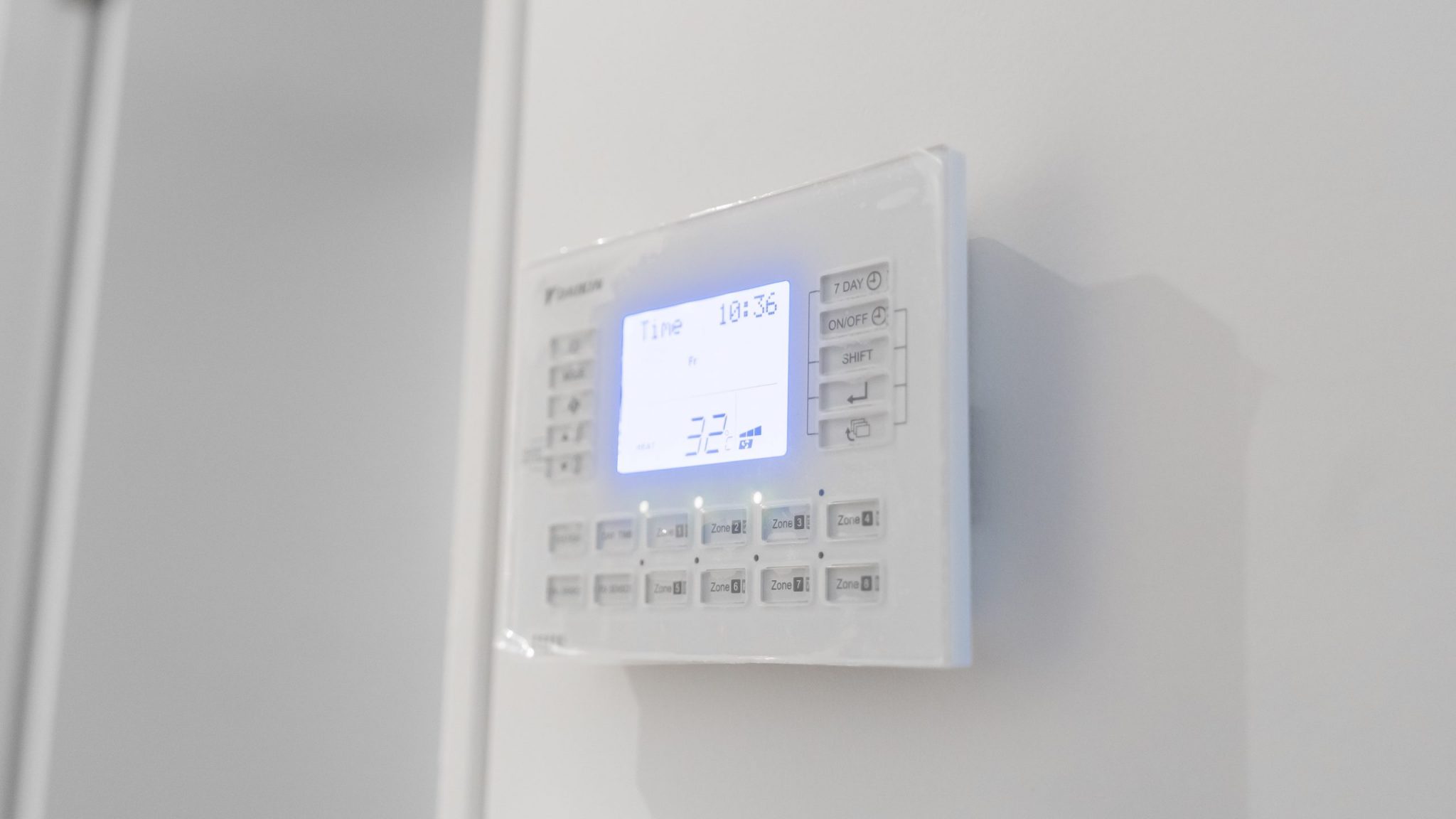
- Wall controller or smart control
- Supply air outlets and return air grille
Key specifications that decide sizing
- Cooling capacity and heating capacity in kW
- Conditioned floor area in square metres
- Number of rooms and how they are grouped into zones
- Ceiling height and roof space
- Insulation performance and window size
- Static pressure and duct design
- Open plan living air conditioning load vs bedroom load
| House factor | Why it matters for ducted system sizing | What often happens if ignored |
|---|---|---|
| Square metres | Gives a starting point for home cooling requirements and home heating requirements | Rough estimates that miss real load |
| Ceiling height | Taller rooms mean more air volume and more load | System feels weak in living areas |
| Sun exposure | West-facing glass can push cooling performance needs far higher | Rooms run hot in the afternoon |
| Insulation | Good insulation helps energy efficient ducted air conditioning perform better | Longer runtime and higher running costs |
| Zoning system | Reduces waste by conditioning occupied areas only | Whole house always on, poor zoning efficiency |
| Duct design | Controls airflow balance and quiet operation | Poor airflow, noise, uneven cooling |
Related internal guides:
What size air conditioner do I need for my Sydney home? ·
Ducted air conditioning installation
With residential ducted air conditioning, design quality is build quality
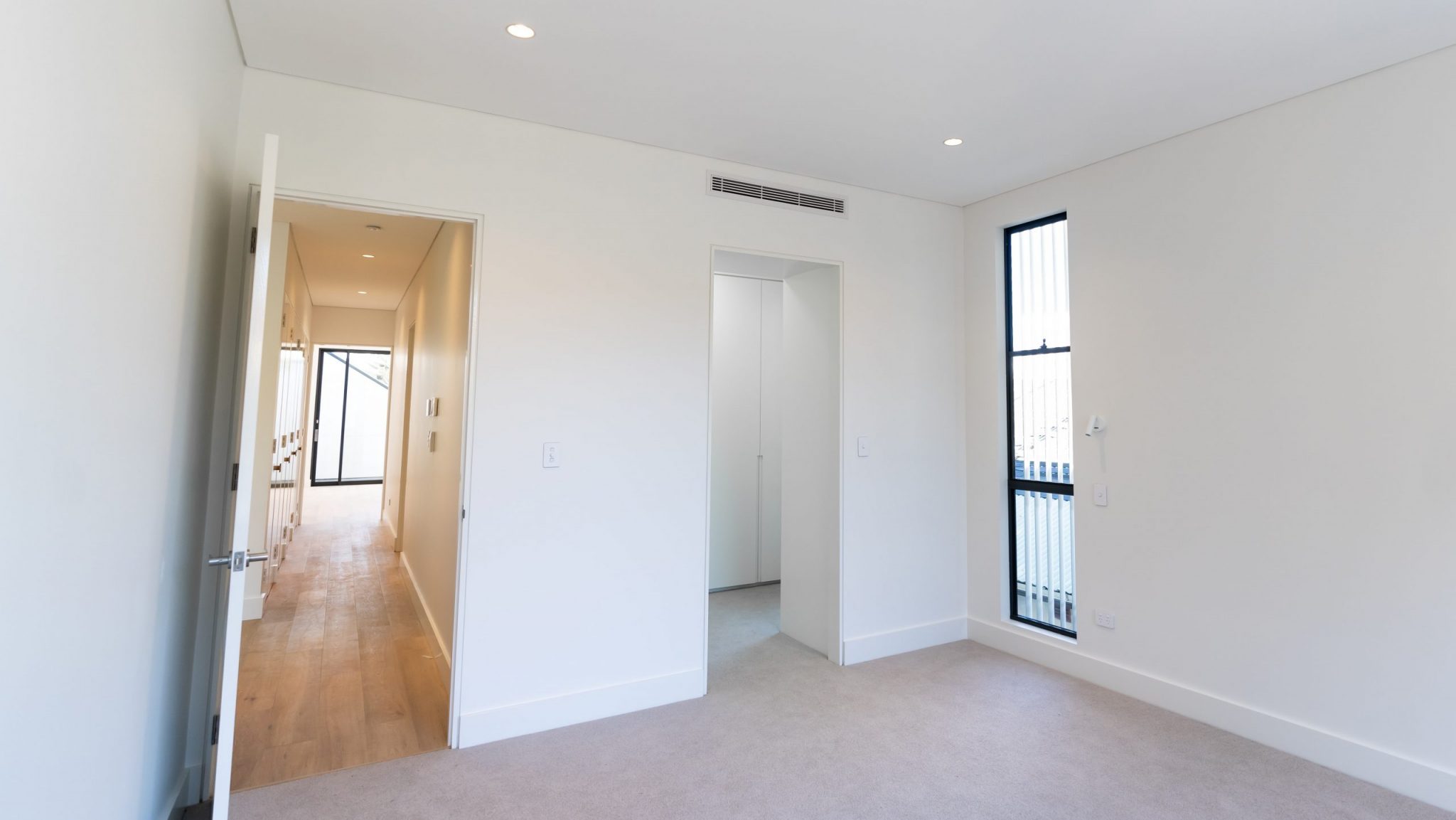
Ducted air conditioning feels premium when it is quiet, balanced, and almost invisible. It feels disappointing when one room blasts, another barely gets airflow, and the system sounds like it is working too hard. That difference usually comes from layout and install quality rather than brand name alone.
Visual appeal
Clean ceilings, hidden machinery, and no wall heads in every room. This is a big reason many homeowners prefer best ducted reverse cycle air conditioner setups over multiple visible splits.
Materials and construction
Insulated ductwork, sensible duct runs, and correct outlet placement matter more than people expect. This is where insulation and air conditioning efficiency start working together.
Durability observations
A well-designed system tends to age better because it is not fighting poor airflow balance every hot day. Less strain often means a calmer, more reliable system over time.
What size reverse cycle ducted air conditioning system do I need for my house? Use this practical sizing logic
Here is the plain-English answer. Start with floor area, then adjust for ceiling height, glass, insulation, open-plan living, storeys, and how many zones you actually use. A ducted air conditioning size calculator can give a helpful starting point, but it cannot see your roof heat, duct path, or daily room use. That is why the best ducted air conditioning size for my home usually comes from a quick calculator first and a site assessment second.
Interactive ducted air conditioning size guide
This tool is a practical guide, not a formal HVAC sizing guide. It helps answer: what size ducted aircon do I need, what size ducted air conditioner for a 4 bedroom house, and what size reverse cycle system for a 3 bedroom house?
Suggested kW range
Suggested zoning approach
Sizing note
This is useful for room size air conditioning calculator logic and square metre air conditioning guide decisions. It does not replace professional air conditioning assessment, especially for double storey homes, long duct runs, or tricky roof spaces.
Core functionality
Good sizing should hold comfort on hot afternoons and chilly winter mornings without constant fiddling, all-house panic cooling, or rooms that never settle.
Quantitative measurements
Look at runtime, active zones, airflow balance, and how often the system cycles on and off. These tell you more than marketing slogans.
Real-world scenario
A compact single-storey home with good insulation often needs less than people think. A bigger double-storey home with open plan living and west sun often needs more.
Quick practical ranges homeowners often ask about
| Question | Practical answer | What changes the result |
|---|---|---|
| What size ducted air conditioning do I need for a 3 bedroom house? | There is no one magic number. Compact, insulated homes may sit lower. Open-plan homes or sunny homes may need a bigger band. | Living area size, ceiling height, sun exposure, insulation, zones |
| What size ducted air conditioner for a 4 bedroom house? | Many Sydney jobs start around the 12kW to 16kW band when layout and zoning are matched properly. | Double storey design, glass, roof heat, outlet count, return air sizing |
| Can a ducted air conditioner be too big for a house? | Yes. Over-sizing can cause short cycling, noisier operation, and wasted power. | Poor control strategy, too many unused rooms, weak zoning habits |
| What happens if my ducted system is too small? | It may run hard for long periods, struggle on peak days, and still leave some rooms behind. | Weak insulation, oversized living zones, poor airflow balance |
Related internal reading:
What size ducted system do I actually need for a 4-bedroom home? ·
How should I use zoning on ducted air conditioning Sydney homes?
Daily use: where zoning system habits save money or waste it
Setup and installation
Reverse cycle ducted air conditioning installation should feel like this: measure the home, map the zones, plan the duct path, confirm return air placement, check electricals, install cleanly, test, then hand over the controller in plain English.
Daily usage
The best habit is simple: run the living zone when you use the living zone, then switch to bedrooms at night. That is where multi-zone ducted air conditioning earns its keep.
A practical Sydney routine
- Morning: short run if needed, then off
- Daytime: only occupied zones, especially if someone is working from home
- Evening: living spaces first
- Night: bedrooms only, gentler setpoint, timer on
Useful read:
How much does reverse cycle ducted air conditioning cost to run?
Reverse cycle ducted air conditioning vs evaporative, split systems, and “just go bigger” thinking
Reverse cycle ducted vs evaporative
Reverse cycle ducted air conditioning how it works is very different from evaporative cooling. Reverse cycle gives both cooling and heating. That makes it a stronger year-round option when winter comfort matters too.
Ducted vs split system
Ducted reverse cycle air conditioning vs split system comes down to how many rooms you want comfortable, how clean a look you want, and whether your house layout suits ceiling ducting.
Bigger is not always better
Oversized air conditioner choices can feel powerful on paper but clumsy in real life. Right-sized systems often feel calmer, quieter, and more efficient.
| Option | When it fits | Watch out for |
|---|---|---|
| Reverse cycle ducted air conditioning system | Whole-home comfort, multiple rooms, clean look, zoning flexibility | Needs correct design and roof-space planning |
| Multiple split systems | Selected rooms only, staged upgrades, some homes without easy duct paths | More visible units, different feel room to room |
| Evaporative cooling | Can suit some climates and preferences | Different performance profile and no reverse-cycle heating |
Useful interlinks:
Best ducted air conditioning system Sydney ·
Daikin ducted air conditioning Sydney
What we loved and where people usually get caught out
What we loved
- Whole-home comfort when the ducted air conditioning size guide is applied properly
- Clean visual finish with hidden equipment
- Strong zoning efficiency for real families
- Better comfort levels across both cooling performance and heating performance
- Potential inverter savings when matched with smart control habits
Areas for improvement
- Bad zoning makes an expensive system feel average
- Poor return air or weak supply air outlets can hurt airflow balance
- Roof access and duct path can complicate reverse cycle ducted air conditioning installation
- “Whole house always on” habits can blow out running costs
- Bedroom count alone is a poor sizing method
What feels better in 2026? Smarter sizing, better zoning, cleaner pricing logic
The biggest 2026 improvement is not flashy. It is practical. KYC’s recent articles keep stressing better zoning habits, more honest cost breakdowns, and sizing guidance that ties kW to layout instead of lazy rules. That is good for homeowners because it makes reverse cycle ducted air conditioning prices feel easier to understand.
Pricing clarity
Ducted air conditioning cost calculator logic is getting easier to explain when house size, roof access, zones, and electrical work are broken out clearly.
More useful content
Guides are now talking more about return air grilles, static pressure, and duct layout. Those details actually affect comfort.
Better control habits
Schedules and zones now matter more than chasing the lowest thermostat number. That is where real savings tend to come from.
Best for, skip if, and alternatives to consider
Best for
- Families wanting one reverse cycle ducted air conditioning unit for the whole house
- People who care about aesthetics and even temperature control
- Homes that can benefit from 3, 4, 5, or more zones
- Owners planning long-term comfort, not just a quick patch
Skip if
- You only want one room conditioned
- Your roof space is extremely limited and the duct path is poor
- You are unlikely to use zones properly
- You want the cheapest entry price only
Alternatives to consider
- Split systems for selected rooms
- Multi-head systems for certain layouts
- Brand options like Daikin reverse cycle ducted air conditioning or Fujitsu reverse cycle ducted air conditioning depending on the job brief
Where to buy a reverse cycle ducted air conditioning system in Sydney
For this article, the business focus is only KYC Air Conditioning. If you want a quote that considers house layout and airflow, number of rooms air conditioner size, open plan load, and ducted AC installation advice, start with KYC’s Sydney service pages and contact page.
Best pages to visit next
What to watch for
- Ask how they size by square metres, ceiling height, and glass
- Ask about zones, return air grille size, and duct path
- Ask what is included in the installed price
- Ask how the controller and schedules will be set up
Final verdict: choose the smallest system that can handle your peak load, then design the zones around real life
Overall rating: 9.2/10
If you are asking how many kW ducted air conditioning do I need, the best answer is rarely a single number. It is a method. Start with square metres, adjust for ceiling height and air conditioning size, insulation performance, window size, sun exposure, and open plan living. Then match the zones to the way your household actually uses the home.
Bottom line
The best reverse cycle ducted air conditioning system for your house is the one that is correctly sized, properly zoned, and installed with sensible duct design. That is what usually separates quiet comfort from noisy regret.
Next steps:
book a quote or
read KYC’s Sydney sizing guide.
2026-only proof, screenshots, videos, and practical references
Public 2026 review snippet
“Came, saw, conquered.”
Recent Google review snippet shown on a public KYC review page in 2026.
Public 2026 review snippet
“Excellent service. Recommend highly.”
Recent Google review snippet shown on a public KYC review page in 2026.
Public 2026 review snippet
“Great service. Very responsive and knowledgeable… Fantastic team.”
Recent Google review snippet shown on a public KYC review page in 2026.
KYC’s February 2026 sizing guide, March 2026 4-bedroom ducted sizing guide, January 2026 zoning guide, February 2026 ducted pricing guide, and recent public review snippets visible in 2026.
Screenshots
Mini comparison chart
Source-style references used for the article build
- Best Ducted Air Conditioning System Sydney
- What size air conditioner do I need for my Sydney home?
- What size ducted system do I actually need for a 4-bedroom home?
- How should I use zoning on ducted air conditioning Sydney homes?
- Ducted Air Conditioning Installation Sydney Price Guide for 2026
- Public KYC review page
- Public KYC review page