Jump to section
Table of contents ▾
What is the best air conditioner Australia in 2026?
Here’s the honest verdict up front: the “best air conditioner in Australia” is rarely one single model.
It’s the system that is correctly sized, has strong energy efficiency on the Zoned Energy Rating Label,
stays quiet enough for your home (and strata rules), and is installed properly.
If you nail those four things, you get comfort that feels “premium” even without chasing hype.
1) Introduction & First Impressions
start with room size → kW, then check the Zoned Energy Rating Label, then confirm noise, then confirm the installer plan.
This guide is written from the perspective of KYC Air Conditioning Sydney.
We work across Sydney — Inner West, Eastern Suburbs, North Shore, and CBD-adjacent apartments — and we see the same pattern every summer:
people search “best air conditioner Australia”, but what they actually need is a simple decision method.
Personal story: early January 2026, a family in the Inner West told us they bought a “high-rated unit”
but their open-plan living still felt sticky. The unit wasn’t “bad” — it was undersized for the space and the sun exposure.
After a proper sizing check (and a better airflow plan), the room finally felt calm. That’s why this article is not a hype list.
It’s a step-by-step playbook you can use anywhere in Australia.
If you’re Sydney-based and want a local starting point, here’s our service hub:
air conditioning services Inner West (installation + advice).
2) Product Overview & Specifications (what “best” really means)
What you’re “buying”:
- Comfort (cooling + reverse cycle heating)
- Running cost control (energy efficiency)
- Quiet operation (bedrooms/apartments)
- Reliability (service access + maintenance)
What to compare (the real specs):
- Capacity: kW (matched to room m²)
- Efficiency: star ratings by zone + kWh figures
- Noise: indoor/outdoor dB(A)
- Controls: Wi-Fi, timers, zones, filters
Price point (value positioning)
Australians often ask for the best value air conditioner Australia. In practice, the “best value” is the unit
that meets your comfort needs without forcing you to run it at extreme settings.
That’s why “cheapest air conditioner to run Australia” usually comes from correct sizing + strong label ratings,
not from the cheapest sticker price.
Target audience
This guide is for: homeowners, renters (where allowed), apartment owners dealing with noise rules,
and anyone planning air conditioning installation Sydney or elsewhere in Australia.
We also include notes for commercial air conditioning Sydney on small sites (reception, small offices, clinics).
We’re not doing that here. You asked that no other companies be mentioned, so we focus on what you can verify:
sizing, label ratings, noise, and installation plan.
3) Design & Build Quality (what to feel + what to check)
Visual appeal (yes, it matters a little)
Most modern splits look clean. For ducted systems, the design is in the ceiling diffusers and the zoning layout.
“Best” doesn’t mean fancy-looking. It means the unit sits in the right place, pushes air the right way,
and doesn’t annoy you with noise or drafts.
Materials & construction (practical version)
In real homes, durability is often influenced by environment. Coastal salt air can be harsh.
Apartments can trap heat on balconies. Older terraces can have tight roof spaces.
That’s why we treat “build quality” as: does this system suit your site conditions?
Ergonomics/usability
The best air conditioner for bedrooms Australia-wide is usually the one you can set once and forget:
stable temperature, quiet night mode, timers, and clean filters.
If you’re comparing inverter air conditioner vs non-inverter, think of inverter as “smooth cruise control”
for temperature — steadier comfort and often better efficiency.
If you’re considering ducted, read:
ducted air conditioning installation (Sydney)
and
duct insulation rating to stop condensation and heat loss.
4) Performance Analysis (how to pick “best” with numbers)
4.1 Core functionality
An air conditioner has one job: remove heat when it’s hot and add heat when it’s cold (reverse cycle heating efficiency Australia).
If the unit is too small, it runs hard and struggles. If it’s too big, it can cycle on/off and feel uneven.
The “best” unit matches your space and climate.
Quantitative measurements (easy version)
How much heating/cooling it can deliver. Bigger rooms = more kW.
On the Zoned Energy Rating Label, higher stars and lower kWh usually mean cheaper running.
Important for bedrooms and apartments (and neighbour complaints).
Zoning can cut running costs by conditioning only used areas.
Interactive #1: Air conditioner size calculator (kW vs room m²)
This is a starter calculator (not a full heat-load). It’s designed for quick planning and comparing quotes.
It also helps with common questions like 2.5kW vs 3.5kW split system.
Result: Enter your room size and hit “Calculate”.
4.2 Key performance categories (customised)
For “best air conditioner for humid climate”, steady operation and correct sizing matter most.
Use label ratings + sensible settings. See Sydney guide:
cost to run per day.
If you live in strata, noise + drainage rules can decide the whole project.
Bad placement and messy drainage can ruin even a good unit.
Mini chart: why “right size + good settings” usually wins
This simple chart shows a common outcome we see: when a unit is undersized, it runs hard and costs more.
When it’s right-sized, it often costs less to run and feels better.
5) User Experience (setup, daily use, and the “human stuff”)
Setup/installation process
Easy path (what you want):
- Clear sizing recommendation in writing
- Itemised quote (mounting, electrical, drainage)
- Noise and location plan (especially apartments)
- Commissioning + test run + clean-up
Hard path (red flags):
- No talk about drainage or where condensate goes
- Vague “one size fits all” sizing
- Outdoor unit placed without neighbour/strata checks
- No aftercare plan (filters, servicing)
Daily usage
The best air conditioner for hot summers Australia-wide is usually run in a calm, consistent way.
If you’re constantly turning it off and on, or setting extreme temperatures, comfort suffers and bills rise.
For Sydney-specific tips, our running cost guide helps you set expectations:
air conditioner running costs (Sydney).
Learning curve + controls
Most people “learn” air conditioning in one week: timers, fan speed, and the habit of closing doors.
Wi-Fi control can help, but the best feature is still the simplest: zoning (for ducted) or room-by-room control (for splits).
Plain-English glossary (tap to open) No jargon
Inverter: A system that adjusts output smoothly instead of full on/off. Often quieter and more efficient.
SEER / EER / COP: Efficiency measures. Higher usually means better efficiency. For shoppers, the label stars + kWh are the easiest comparison.
Zoned Energy Rating Label: Shows efficiency across hot/average/cold zones and includes heating (red) and cooling (blue) information.
dB(A): A sound number. Lower is quieter. Important for bedrooms and strata noise rules.
Apartment essentials:
strata approval guide •
condensate drainage rules (NSW strata) •
renters guide.
6) Comparative Analysis (split vs ducted vs portable)
When Australians say “best”, they often mean “best for my home”.
Use this quick comparison to decide which path fits your space.
Best split system air conditioner Australia (most homes)
Best for single rooms or targeted zones. Great for bedrooms, studies, and living rooms.
Often the simplest install in older homes.
Best ducted air conditioning Australia (whole-home comfort)
Best for open plan living and full-home comfort. Zoning can reduce running costs.
Learn more:
ducted installation.
Portable air conditioning (short-term)
Good for rentals or temporary needs. But efficiency varies a lot, and noise can be a deal-breaker.
Read:
portable air conditioners in Sydney summers.
Multi-split vs single split
Multi-split can suit homes that can’t do ducted but want multiple rooms covered.
The “best” choice depends on layout, roof space, and installation access.
The quietest air conditioner Australia for an apartment is often the one installed in the right spot, with good vibration control and airflow.
If you’re comparing repairs vs replacement, start here:
air conditioning repairs service.
7) Pros and Cons (real-world, no hype)
What we loved (what makes “best” feel best)
- Right-sized kW = steady comfort
- Strong label efficiency = lower bills
- Quiet operation = better sleep
- Good airflow plan = no hot corners
Areas for improvement (what buyers underestimate)
- Underestimating open-plan load
- Ignoring noise (especially apartments)
- Chasing price over installation quality
- Forgetting filter + service habits
A poor install can create leaks, noise, and weak airflow — and that can make a good unit feel “average”.
8) Evolution & Updates (2026)
A big 2026 shopping advantage is that energy efficiency information is clearer than it used to be.
The Zoned Energy Rating Label shows performance across hot, average, and cold zones,
plus estimated annual energy use (kWh) and noise levels.
That helps Australians match a unit to climate and lifestyle instead of guessing.
expect more focus on verified efficiency, better consumer tools, and clearer comparison points.
Your best move is to compare like-for-like: same capacity, same zone, and similar installation conditions.
Want a deeper “brands overview” without hype? We’ve already put together a practical guide:
the 8 best air conditioner brands for your home.
9) Purchase Recommendations (simple “best for” list)
Best for bedrooms Australia:
- Quiet indoor unit (lower dB(A))
- Stable inverter-style control
- Timer + sleep settings
- Easy filter access (you’ll actually clean it)
Best for apartments Australia:
- Noise plan (indoor + outdoor)
- Approved placement + drainage plan
- Strata compliance ready
- Right size (not “oversized for ego”)
Best for open plan living:
- Ducted with zoning (often the comfort winner)
- Or a split/multi-room strategy (layout dependent)
- Airflow design matters (not just kW)
Skip if:
- You only need a repair or service right now
- You can’t get approvals (apartment/strata)
- You’re guessing the size with no plan
Copy/paste checklist: what to ask on any quote Use this
- What kW did you size this to, and why (room m² + sun + ceiling)?
- Can you show the Zoned Energy Rating Label figures you used for comparison?
- What are the indoor/outdoor dB(A) noise levels?
- Where will condensate drain, and is it compliant (especially strata)?
- What’s included in the quote (electrical, access, brackets, pipe runs)?
- What is the maintenance plan (filters + servicing schedule)?
- What warranty support looks like in practice (who comes out, response times)?
10) Where to Buy (and the best time to buy)
The best time to buy air conditioner (sales) is often before the first heatwave when installers aren’t overloaded.
In Sydney, that can mean planning earlier so you’re not rushing and compromising on placement or approvals.
If you want a Sydney team that lives this daily, visit KYC:
KYC Air Conditioning Sydney.
Find KYC Air Conditioning on Google Maps
11) Final Verdict
It’s simple, verifiable, and works in real homes. It loses points only because a quick calculator can’t replace a full heat-load assessment.
Bottom line: The best reverse cycle air conditioner Australia-wide is the one that fits your room, your climate, your noise limits,
and your lifestyle — and it’s installed cleanly. If you want help making the decision local to Sydney, we’re here:
air conditioning services Inner West.
12) Evidence & Proof (screenshots, videos, charts, 2026 testimonials)
Official energy label references (screenshots)
These screenshots are pulled from official Australian government resources so you can verify the Zoned Energy Rating Label details quickly on mobile.
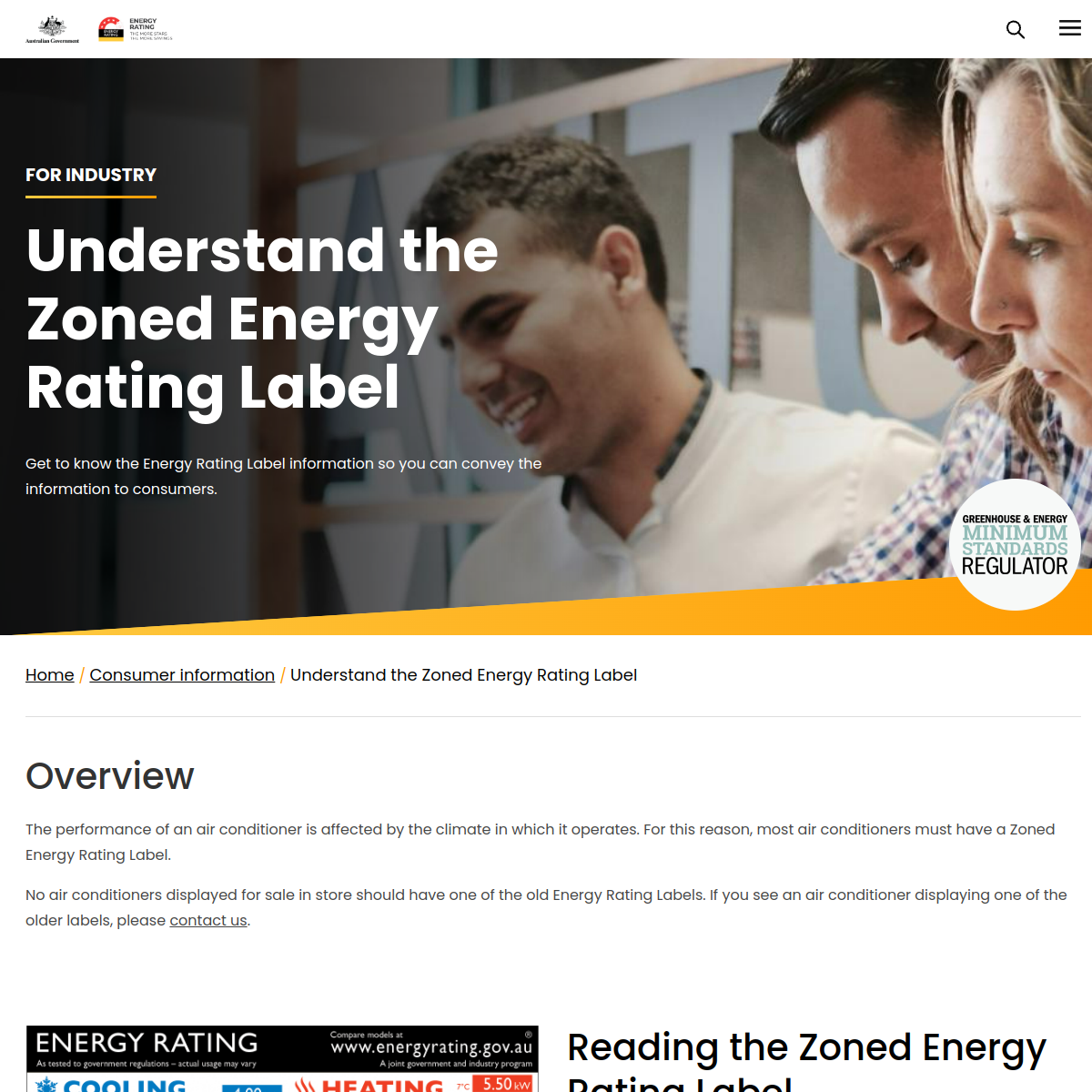
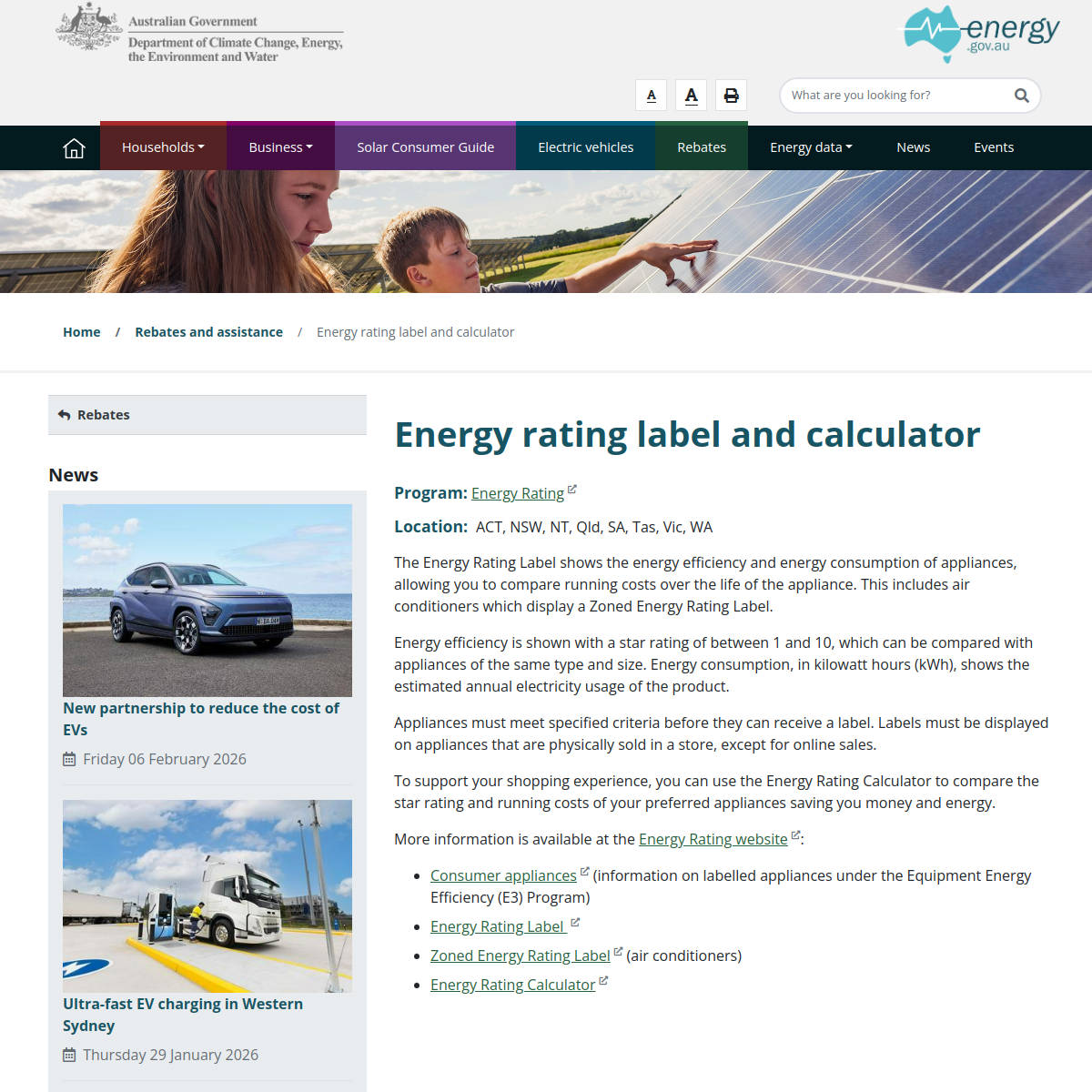
Zoned Energy Rating Label •
Energy rating label & calculator
Videos (YouTube embeds)
These are focused on understanding labels and sizing concepts. (We’re not embedding competitor installer content.)
Energy labels: how to read them (consumer basics)
Choosing size: the “why it matters” explanation
Verifiable testimonials (strictly 2026 only)
These reviews are dated 2026 and are publicly visible. Kept short for readability.
Kieran O’Connor (2026-01-30)
“Prompt, professional and polite. Would recommend.”
Jeanette Gray (2026-01-23)
“Kept us informed… installation at the promised time… to our complete satisfaction.”
Teruo Takeda (2026-01-23)
“Polite, professional, efficient… workmanship neat… indoor area left perfectly clean.”
Amy Sarra (2026-01-22)
“Helpful, affordable… fantastic job… really quick turnaround… quote to job done.”
Source page for dated reviews:
KYC Air Con Reviews (Trustindex)
Long-term update note
The best systems (the ones people call “the best air conditioner in Australia”) are usually not the fanciest.
They’re sized correctly, installed neatly, and maintained.
If your unit ever feels weak, noisy, or expensive to run, start with service:
air conditioning repairs service.