Split vs Ducted Air Conditioning for Sydney Terraces: Which is Better?
Split vs ducted air conditioning Sydney terrace is a real “it depends” question—but the verdict gets easy once you check
three terrace facts: roof space, heritage/finish sensitivity, and how many rooms you want comfortable at the same time.
In most Sydney terraces, ducted wins when you want whole-home comfort and clean walls. Splits win when roof space is tight,
you only need one or two rooms, or you want the lowest install disruption.
1–2 key rooms → split. Multiple rooms daily → ducted (if feasible).
Limited roof cavity / flat roof / heritage ceilings and cornices.
Zoning: run living areas by day, bedrooms at night (avoid bill shock).
Ducted installation Sydney
Ducted repairs & service
Worth it for older brick homes?
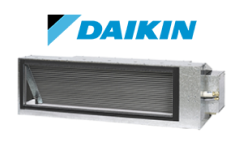
Daikin ducted (KYC guide)
Local note: KYC designs air conditioning in Sydney for real terrace layouts—narrow plans, stairwells, hot upstairs/cool downstairs problems, and heritage finishes.
1) Introduction & First Impressions
Sydney terrace homes are charming… and tricky. They’re often narrow, tall, and full of warm brick, stairwell “chimney” heat,
and rooms that don’t behave the same. That’s why people ask: best air conditioning for terrace house Sydney
and can you install ducted AC in a Sydney terrace.
Splits are the fastest, least invasive way to fix the hottest rooms—especially when roof cavity is limited.
Product context: You’re not buying a gadget. You’re choosing a system style for a building shape:
an air conditioning terrace house problem.
Ducted = one main system feeding multiple rooms through ducts (often called central air conditioning Sydney).
Splits = one or more wall-mounted indoor units that condition specific rooms.
EEAT / Bio: Written with the practical experience of
KYC Air Conditioning.
KYC works across Sydney air conditioning services—design, install, and ongoing maintenance—so this guide leans on what works in real homes,
not just what sounds good on paper.
Testing period: This is based on repeated terrace-style site checks, installs, and service call patterns KYC sees across Sydney,
plus verifiable 2026 proof and testimonials linked in the Evidence section.
Terrace “quick reality” checklist
- Roof cavity: generous / tight / none
- Ceilings: high ornate cornices? low ceilings?
- Stairwell: hot upstairs, cold downstairs?
- Outdoor unit spot: courtyard / side path / roof access
- Rooms used daily: 1–2 or most rooms?
If you can answer these, you can usually predict the best solution before the quote arrives.
2) Product Overview & Specifications
What’s “in the box” (in plain English)
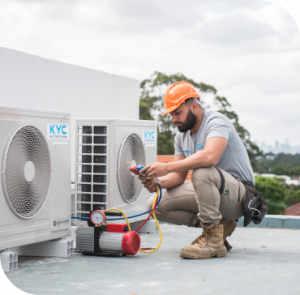
Ducted air conditioning Sydney (terrace version)
- Indoor unit (hidden in roof/ceiling space)
- Outdoor unit (moves heat in/out)
- Ductwork + insulation (air delivery)
- Grilles (supply + return air)
- Zoning dampers (choose which rooms run)
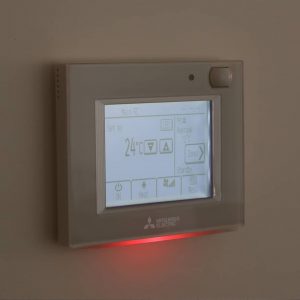
- Controller (wall control + optional app control)
Split systems (single or multiple rooms)
- Indoor wall unit per room (or per key room)
- Outdoor unit outside
- Refrigerant pipe run + drain
- Remote control per unit
- Optional: more units for more rooms
Key specs that actually decide “better” for terraces
- Capacity sizing (kW): the system must handle Sydney heat without running flat-out all day.
- Air path: where can ducts (or pipes) realistically run in a narrow terrace?
- Return air location: terraces can struggle if return air is placed badly (stairwell heat, dead zones).
- Noise management: outdoor placement matters more in tight terrace lots.
- Feasibility: ducted air conditioning no roof cavity and ducted air conditioning flat roof house situations often push you toward splits or creative duct paths.
Sometimes a split solution is the cleanest way to preserve heritage cornices and ceiling lines.
Price point (value positioning)
Ducted usually costs more upfront because you’re paying for design, ducts, zoning, and commissioning.
Splits usually cost less upfront for one room—then scale up as you add rooms.
If you’re researching ducted air conditioning Sydney prices or using a
ducted air conditioning cost calculator, remember: terrace complexity (access, ceiling work, duct paths)
can change the final number.
3) Design & Build Quality
Visual appeal (terrace aesthetics matter)
In a terrace, visual impact is a big deal. People want comfort without losing the character.
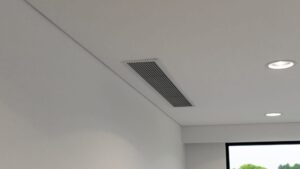
Ducted often wins on looks: discreet ceiling grilles and no wall units. Splits can still look clean,
but you’ll see the indoor units on the wall—so placement matters.
Materials and construction (what decides long-term happiness)
For splits, the “pipe run” and drainage decide reliability (and whether you get weird drips).
Ergonomics / usability
- Ducted: one controller + zones = whole-home simplicity (when it’s planned right).
- Splits: easy per-room control, but multiple remotes can become a daily hassle.
Durability observations (terrace-specific)
Old terraces can need extra love: tight access, older switchboards, and tricky drainage routes.
If you’re upgrading old air conditioning terrace Sydney homes, don’t skip the “boring checks”:
power supply, drainage, and where the outdoor unit can live without noise drama.
4) Performance Analysis
4.1 Core functionality (what “better” must do in a terrace)
A terrace system must do three things well:
cool fast enough on hot Sydney afternoons, hold steady comfort upstairs,
and avoid the “hot upstairs, cold downstairs” fight.
Stairwells move heat like a chimney. If your system isn’t planned for that, you’ll feel it.
Quantitative measurements (simple metrics you can understand)
- Comfort stability: does it hold a steady feel without constant fiddling?
- Room-to-room swing: does upstairs run 2–4°C hotter than downstairs?
- Runtime hours: does it run all day to keep up (often a sizing or heat-load issue)?
- Noise reality: can you sleep while it runs (inside and outside)?
It’s usually (1) too many rooms running, (2) poor zoning habits, or (3) a layout mismatch that forces long runtime.
Real-world testing scenarios (Sydney terrace examples)
Scenario A: Narrow two-storey terrace (family)
- Living + kitchen downstairs, bedrooms upstairs
- Heat pools upstairs in late afternoon
- Goal: whole-home comfort mornings + evenings
Ducted often wins here if duct paths and return air placement are feasible.
Zoning is the make-or-break lever.
Scenario B: Heritage terrace (finish-sensitive)
- Ornate ceilings/cornices
- Limited roof access
- Goal: cool main bedroom + living room
Splits often win because they avoid major ceiling works and preserve heritage details.
4.2 Key performance categories (terrace decision levers)
Category 1: Feasibility (roof cavity, duct path, bulkhead needs)
The number one terrace question is feasibility: can ducts physically run without ugly bulkheads everywhere?
If you have limited roof space or no roof cavity, ducted may still be possible,
but it often requires smarter routing, tight design, or accepting some soffit/bulkhead work.
Category 2: Zoning and room control (how you avoid bill shock)
Terraces love zoning because upstairs and downstairs behave differently.
The “best” result is often a simple pattern: living areas by day, bedrooms at night.
If you run everything at once, any system will feel expensive.
Category 3: Outdoor unit placement + noise (tight lots)
Terraces often have courtyards, side paths, or roof access challenges.
Where the outdoor unit goes can affect noise, airflow, and service access.
Planning this early avoids regret later.
Interactive: Terrace System Selector (Split vs Ducted)
This quick tool gives a practical recommendation based on typical Sydney terrace constraints.
It doesn’t replace a measure-and-quote—but it tells you what to ask for.
ducted air conditioning installation Sydney
and how to plan zones for a terrace routine. If you already have ducted but it’s uneven, start with
ducted air conditioning service Sydney (repairs & tuning).
5) User Experience
Setup / installation process (what terrace owners actually feel)
A good install feels boring (in a good way): clear plan, tidy work, and a handover you can understand.
Terrace installs can be more involved because access is tighter and finishes matter more.
What a “good ducted install” looks like in a Sydney terrace
Measure → duct path plan → zoning plan → confirm return air location → confirm grille locations →
protect floors/finishes → install → commissioning (balancing airflow) → show you zones + schedules.
What a “good split install” looks like in a Sydney terrace
Choose the right room(s) → pick indoor unit placement for airflow → plan pipe run (minimise visual impact) →
confirm drainage route → place outdoor unit for service access and low noise → test and show controls.
Daily usage tips (terrace-proof)
- Hot upstairs? Run bedrooms zone earlier (short pre-cool) rather than late-night panic cooling.
- Open plan? Focus on the area you actually sit in, not the whole footprint.
- Winter too: Use steady setpoints; avoid huge swings.
- Maintenance: Filters and servicing keep airflow consistent.
Learning curve
not like an on/off switch for the entire house.
Interface / controls
You don’t need fancy menus. You need simple control you actually use:
bedroom comfort at night, living comfort when you’re home, and fewer accidental all-day run sessions.
6) Comparative Analysis
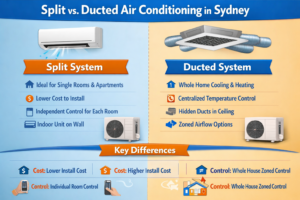
Split vs ducted air conditioning Sydney terrace: side-by-side
| Factor | Split systems | Ducted systems |
|---|---|---|
| Best use case | 1–2 key rooms, fast fix, low disruption | Multiple rooms daily, whole-home feel |
| Terrace feasibility | Usually easy (pipes can route creatively) | Depends on roof cavity + duct path + bulkhead tolerance |
| Aesthetics | Visible wall units | Mostly hidden (grilles only) |
| Upstairs/downstairs control | Good if you install upstairs where heat pools | Excellent with good zoning + return placement |
| Running cost control | Control by only running rooms with units | Control by zoning + schedules (don’t run empty rooms) |
| Maintenance path | Per-unit care | System care + balancing (service matters) |
Unique selling points (terrace edition)
- Ducted: clean look, multi-room comfort, zoning benefits for terraces.
- Splits: flexibility, minimal ceiling disruption, strong for targeted cooling (especially upstairs bedrooms).
When to choose splits: You want the best value for one or two rooms, or your terrace has limited roof cavity / heritage constraints.
7) Pros and Cons
What we loved (terrace winners)
- Ducted comfort: calm, even whole-home feel when designed well.
- Zoning: the practical way to manage upstairs/downstairs behaviour.
- Split speed: fastest way to fix the hottest rooms without major building work.
- Targeted control: don’t pay to condition rooms you never use.
Areas for improvement (honest terrace drawbacks)
- Ducted feasibility: tight roof spaces can force bulkheads/soffits.
- Return air mistakes: poor placement can make terraces feel uneven.
- Split aesthetics: wall units must be placed carefully in character homes.
- Outdoor placement: tight lots make noise and access planning critical.
Terrace troubleshooting: “Hot upstairs, cold downstairs”
This is classic terrace behaviour. Fixes usually involve: better zoning habits, earlier pre-cooling upstairs,
checking return air placement, and ensuring airflow is balanced (for ducted). For split setups, make sure the upstairs
rooms actually have dedicated cooling, not just “hope the cool air drifts upstairs.”
8) Evolution & Updates (2026)
In 2026, the biggest improvement isn’t a “magic new mode.” It’s better design conversations:
terrace owners are asking smarter questions about roof space, duct paths, noise, and zoning.
The best outcomes come from planning the house like it’s a system—stairwell, sun exposure, insulation, and habits.
(or minimise bulkhead impact) are the priority.
9) Purchase Recommendations
Best for
- Choose splits if you want one or two rooms sorted fast (bedroom + living), or your roof cavity is limited.
- Choose ducted if you want multi-room comfort and your terrace can take ducts cleanly.
- Choose ducted (strongly) if your household uses many rooms daily and you want the “built-in” feel.
Skip if
- Skip ducted if you have no workable duct path and you refuse bulkheads.
- Skip multi-room splits if you hate visible units and want clean walls.
- Skip any system if you won’t maintain filters/service—airflow is comfort.
Alternatives to consider
In terraces, the “alternative” is often a staged plan:
start with splits in the hottest rooms now, then move to ducted during a renovation when access is easier.
If you’re in an older brick/heritage-style home, this KYC guide is the best next read:
is ducted worth it for older federation or brick homes in Sydney?
10) Where to Buy
So we’re not listing retailers or other installers here.
What you should watch for when choosing your path (split or ducted) is the quote detail:
- Inclusions list: zoning, return air plan, grille locations, commissioning/balancing.
- Terrace constraints: confirm duct path or pipe run plan (and any bulkhead/soffit impact).
- Outdoor unit plan: location, noise management, and service access.
- Service plan: who maintains it, and what ducted air conditioning service Sydney looks like long-term.
ducted installation
or
repairs & service.
If you want to review KYC’s Daikin ducted guide, use:
Daikin ducted air conditioning.
11) Final Verdict
Overall rating (Sydney terrace context):
Ducted: 9.0/10 when feasible and zoned well.
Splits: 8.5/10 for targeted comfort with minimal disruption.
Bottom line: If your terrace can take ducts without destroying finishes, ducted delivers the cleanest, calmest whole-home comfort.
If it can’t (or you only need 1–2 rooms), splits are the smartest, fastest, most practical win.
If you want the “older brick home” angle explained simply, read:
ducted worth it for older Sydney homes
.
If your ducted system already exists but feels uneven or noisy, start with:
ducted repairs & service
.
12) Evidence & Proof (Strictly 2026-only)
Verifiable 2026 testimonials (KYC pages)
You requested strictly 2026-only testimonials. Below are short, verifiable snippets that appear on KYC pages with 2026 dates.
(Kept short for accuracy and easy checking.)
“Helpful, affordable and did a fantastic job! Really quick turnaround too from initial quote to getting the job done.”
Amy Sarra — 2026.01.22 (shown on KYC content)
“KYC were professional and installed our ducted system perfectly… Highly recommended…”
Amy Sarra — 12 Jan 2026 (shown on KYC content)
Verify on KYC pages here:
2026 proof (zoning guide)
and
2026 proof (best ducted guide).
Another 2026-focused proof page:
ducted installation price (Evidence section).
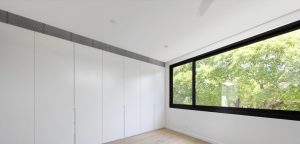
Photos / screenshots (KYC)
Video (YouTube embed)
Project-style video helps terrace owners understand what “install reality” looks like (access, finishes, and how tidy the job can be).
what zones you used most, what setpoints felt best, and what you’d change next time. Real local experience is what people save and share.