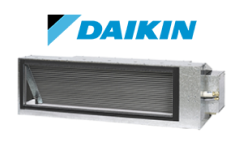
Living through an Australian summer requires a reliable cooling solution to keep your sanctuary comfortable. Many households choose a ducted air conditioning system to manage indoor temperatures efficiently across multiple rooms at once.
Understanding the mechanics behind your climate control setup helps you maintain peak performance. We often receive questions about how does ducted AC work to keep living spaces crisp during heatwaves. By grasping these basics, you gain the confidence to manage your energy usage and extend the lifespan of your equipment.
In this guide, we break down the cooling cycle into simple steps. We aim to provide you with the knowledge needed to make informed decisions about your home comfort. Let us explore the hidden components that keep your family cool when the mercury rises.
Key Takeaways
- Ducted systems provide consistent cooling throughout the entire home.
- The process involves a central unit connected to hidden ceiling vents.
- Regular maintenance ensures your setup runs efficiently during summer.
- Zoning allows you to control temperatures in specific rooms independently.
- Understanding your system helps reduce unnecessary power bills.

What Is Ducted AC and How Does It Differ from Other Systems?
When it comes to cooling your home, ducted AC systems offer a comprehensive solution that differs significantly from other types of air conditioning. We will explore the intricacies of ducted AC, comparing it with other systems to understand its unique benefits. This understanding will help homeowners make informed decisions about their cooling needs.
Definition of Ducted AC
Ducted air conditioning is a centralised cooling system that uses a network of ducts to distribute cooled air throughout a home. This system is designed to provide a uniform cooling experience across multiple rooms, making it an ideal choice for larger homes or homes with multiple stories. By understanding the functioning of ducted AC, homeowners can appreciate its ability to maintain a consistent temperature throughout their living spaces.
The operation of a ducted AC system involves a complex interplay of components working together to cool the air. This includes the outdoor unit, air handler, ductwork, and thermostat, all of which play crucial roles in the ducted AC operation. By integrating these components seamlessly, ducted AC systems provide an efficient cooling solution.
Comparison with Split Systems
One of the primary differences between ducted AC and split systems is their installation and operation. Split systems are typically installed in individual rooms, providing cooling to specific areas. In contrast, ducted AC systems are designed to cool entire homes through a network of ducts, offering a more comprehensive cooling solution.
While split systems are ideal for smaller homes or zoning specific areas, ducted AC systems are better suited for larger homes or homes where a uniform cooling experience is desired. This distinction is crucial for homeowners deciding between these two popular air conditioning options.
Benefits of Ducted AC
The benefits of ducted AC are numerous, making it a popular choice among homeowners. One of the key advantages is its ability to cool multiple rooms simultaneously, providing a uniform cooling experience throughout the home. Additionally, ducted AC systems can be more aesthetically pleasing as the ductwork is hidden from view, maintaining the interior design of the home.
Furthermore, ducted AC systems offer flexibility in terms of zone control, allowing homeowners to cool specific areas of their home as needed. This not only enhances comfort but also contributes to energy efficiency by avoiding the cooling of unoccupied spaces.
Key Components of a Ducted AC System
A ducted AC system comprises several critical components that work in harmony to provide effective cooling. These components are designed to work together seamlessly, ensuring that your home remains comfortable during the warmer months.
Air Handler
The air handler is a crucial component of a ducted AC system, responsible for circulating cooled air throughout your home. It contains a fan and a coil that cools the air before distributing it through the ductwork. Efficient air handlers are designed to minimize noise and maximize airflow, ensuring that your home is cooled evenly.
Ductwork
Ductwork is the network of ducts that distributes cooled air to various parts of your home. Properly designed and installed ductwork is essential for the efficient operation of a ducted AC system. Leaks or poorly insulated ducts can significantly reduce the system’s efficiency, leading to increased energy bills.
Thermostat
The thermostat is the control center of your ducted AC system, allowing you to set your desired temperature. Modern thermostats can be programmed to adjust temperatures at different times of the day, optimizing energy usage. Advanced thermostats can even be controlled remotely via smartphone apps, providing added convenience.
Outdoor Unit
The outdoor unit, also known as the condenser unit, is responsible for dissipating heat from the refrigerant to the outside air. It works in conjunction with the air handler to complete the cooling cycle. Regular maintenance of the outdoor unit is crucial to ensure it operates efficiently, including cleaning the condenser coils and ensuring adequate airflow around the unit.
Understanding these key components and their roles in a ducted AC system can help you appreciate the complexity and importance of proper installation, maintenance, and operation. By ensuring that each component is functioning correctly, you can enjoy efficient and effective cooling throughout your home.
How Ducted AC Circulates Air Throughout Your Home
Understanding how ducted AC circulates air is crucial for appreciating its efficiency in maintaining a consistent temperature throughout your home. The process involves a coordinated effort between several components, ensuring that cooled air is distributed effectively to all areas.
Role of Air Grilles
Air grilles are a critical component in the ducted AC system, serving as the outlets through which cooled air is released into the rooms. Properly positioned air grilles ensure that the air is distributed evenly, preventing hot spots and maintaining a comfortable environment. The design and placement of these grilles can significantly impact the overall performance of the system.
Return Air Vents
Return air vents play a vital role in the ducted AC operation by drawing warm air back into the system to be cooled. This continuous cycle of air circulation is essential for the system’s efficiency. Efficient return air vents help in reducing the load on the AC system, thereby optimizing its performance and energy consumption.
Airflow Dynamics
Airflow dynamics within a ducted AC system refer to the movement and distribution of air throughout the ductwork and into the living spaces. Understanding airflow dynamics is key to optimizing the system’s design and operation. Factors such as duct sizing, layout, and the presence of bends or obstructions can significantly affect airflow, making it crucial to design the system carefully to minimize losses and ensure efficient cooling.
The balance between supply and return airflow is critical for maintaining a stable and efficient cooling process. An imbalance can lead to reduced system performance and increased energy bills.
The Refrigeration Cycle: A Quick Overview
Ducted AC systems rely on a complex process known as the refrigeration cycle to cool the air. This cycle is fundamental to understanding how these systems operate and provide cooling comfort in our homes.
The refrigeration cycle involves several key processes that work together to transfer heat from inside our homes to the outside environment. We will explore these processes in detail to gain a comprehensive understanding of ducted AC technology.
Compression and Condensation
The refrigeration cycle begins with compression, where the refrigerant is compressed, raising its temperature and pressure. This hot, high-pressure gas then flows to the condenser coils, usually located in the outdoor unit of the ducted AC system.
As the hot refrigerant gas flows through the condenser coils, it releases its heat to the surrounding air and condenses into a liquid. This process is crucial for dissipating the heat absorbed from inside our homes.
Expansion and Evaporation
After condensation, the liquid refrigerant passes through an expansion valve, which reduces its pressure and allows it to expand. This expansion lowers the temperature of the refrigerant, preparing it for the next stage.
The cold, low-pressure refrigerant then enters the evaporator coils, usually located in the indoor unit. As warm air from our homes is blown over these coils, the refrigerant evaporates, absorbing heat from the air and cooling it down.
Heat Exchange Process
The heat exchange process is central to the refrigeration cycle. It involves the transfer of heat from the indoor air to the refrigerant in the evaporator coils and then from the refrigerant to the outdoor air in the condenser coils.
This continuous cycle of heat exchange enables ducted AC systems to maintain a comfortable temperature inside our homes, regardless of the outside weather conditions. By understanding the refrigeration cycle, we can appreciate the complexity and efficiency of modern ducted AC technology.
Advantages of Installing Ducted Air Conditioning
The advantages of ducted air conditioning make it an attractive option for those seeking efficient and effective cooling solutions. Ducted AC systems offer a range of benefits that can significantly enhance the comfort and livability of your home.
Energy Efficiency
One of the primary advantages of ducted air conditioning Sydney is its energy efficiency. Modern ducted AC systems are designed to provide maximum cooling while minimizing energy consumption. This is achieved through advanced technologies such as inverter-driven compressors and high-efficiency fans. By reducing energy usage, ducted AC can help lower your utility bills and decrease your carbon footprint.
Efficient cooling is not just about saving money; it’s also about reducing the strain on the environment. With the increasing focus on sustainability, ducted AC systems are becoming a more appealing choice for environmentally conscious homeowners.
Aesthetics and Design Integration
Ducted air conditioning systems are known for their ability to blend seamlessly into your home’s design. Unlike other cooling solutions, ducted AC doesn’t require bulky indoor units, making it an ideal choice for homeowners who value aesthetics. The ducts and vents are typically hidden from view, allowing for a more streamlined and uncluttered living space.
Furthermore, ducted AC systems can be customized to fit the specific design and layout of your home. This means that the system can be tailored to meet your cooling needs without compromising on style or interior design.
Zone Control Options
Another significant advantage of ducted air conditioning is the ability to implement zone control. This feature allows you to cool specific areas or rooms of your home independently, rather than cooling the entire house at once. Zone control can lead to significant energy savings, as you’re not wasting energy on unoccupied areas.
By using zone control, you can personalize your cooling experience, ensuring that the areas you use most are always at a comfortable temperature. This level of control also adds to the overall convenience and flexibility of ducted AC systems.

Common Ducted AC Terminology Explained
As we explore the world of ducted air conditioning, it’s essential to grasp the key terms that define its functionality and efficiency. Understanding these terms will empower homeowners to make informed decisions when selecting and maintaining their ducted AC systems.
BTUs and Cooling Capacity
When discussing ducted AC systems, one of the critical terms is BTUs (British Thermal Units), which measure the cooling capacity of the system. BTUs indicate the amount of heat a system can remove from your home in one hour. To choose the right system, you need to consider the size of your home and its cooling requirements. A system that is too small may not cool your home effectively, while one that is too large can be inefficient and costly.
- The size of your home directly impacts the required BTUs.
- Insulation, window size, and climate also affect cooling needs.
- A professional can help determine the appropriate BTU rating for your home.
SEER Ratings
Another crucial term is the SEER (Seasonal Energy Efficiency Ratio) rating, which measures the system’s energy efficiency over an entire cooling season. A higher SEER rating indicates greater efficiency, potentially leading to lower energy bills and reduced environmental impact. When comparing ducted AC systems, look for the SEER rating to understand the system’s efficiency.
- Higher SEER ratings often mean higher upfront costs.
- SEER ratings can impact your system’s eligibility for rebates and incentives.
- More efficient systems can provide long-term savings on energy costs.
HVAC vs. Ducted AC
The terms HVAC (Heating, Ventilation, and Air Conditioning) and ducted AC are often used interchangeably, but they have distinct meanings. HVAC refers to the entire system that controls the temperature, humidity, and air quality in your home, while ducted AC specifically refers to the air conditioning component that uses ducts to distribute cooled air. Understanding the difference is essential for clear communication with HVAC professionals and for making informed decisions about your home’s climate control.
- HVAC encompasses heating, ventilation, and air conditioning systems.
- Ducted AC is a type of air conditioning system that uses ductwork.
- Not all HVAC systems are ducted AC, but all ducted AC is part of an HVAC system.
Maintenance Tips for Ducted AC Systems
Regular maintenance is the backbone of an efficient and effective ducted AC system. By following a few simple tips, homeowners can ensure their system operates effectively, efficiently, and safely. Proper maintenance not only prolongs the lifespan of the system but also helps in reducing energy bills and preventing costly repairs.
Regular Filter Replacement
Regular filter replacement is crucial for the optimal performance of your ducted AC system. Dirty filters can lead to increased energy consumption and reduced airflow, making your system work harder than necessary. We recommend checking your filters every month and replacing them every 3 months or as needed.
Duct Cleaning Guidelines
Duct cleaning is another vital aspect of maintaining your ducted AC system. Over time, ducts can accumulate dust, debris, and even mold, which can be circulated throughout your home. It’s advisable to have your ducts cleaned every 5 to 10 years, depending on your system’s usage and the presence of pets or allergies in your household.
Professional Tune-Ups
While regular filter replacement and duct cleaning are tasks that can be managed by homeowners, professional tune-ups are essential for the overall health of your ducted AC system. A professional technician can identify potential issues before they become major problems, ensuring your system runs smoothly and efficiently. We recommend scheduling a professional tune-up at least once a year.
Troubleshooting Common Ducted AC Issues
Troubleshooting is an essential skill for homeowners to ensure their ducted AC systems operate effectively. By understanding how to identify and potentially resolve common issues, homeowners can reduce downtime and maintain a comfortable living environment.
Uneven Cooling
Uneven cooling can be a frustrating issue, where some rooms are warmer or cooler than others. This problem can stem from several factors, including imbalanced airflow, inadequate insulation, or duct leakage.
- Check if all vents are open and not obstructed by furniture or other objects.
- Ensure that your home is well-insulated, particularly in the ceiling and walls.
- Inspect ductwork for any signs of damage or leaks.
Strange Noises
Strange noises emanating from your ducted AC system can be alarming. Common causes include loose parts, clogged air filters, or issues with the outdoor unit.
- Turn off the system and inspect for any loose screws or parts.
- Check and replace air filters if they are dirty or clogged.
- Ensure the outdoor unit is clear of debris and obstructions.
Poor Airflow
Poor airflow can significantly impact the performance of your ducted AC system. This issue can be due to clogged filters, blocked vents, or ductwork issues.
To address poor airflow, start by checking your air filters and replacing them if necessary. Ensure that all vents are open and not blocked. If the issue persists, it may be worth inspecting the ductwork for any blockages or damage.

Making the Decision: Is Ducted AC Right for You?
When considering a cooling solution for your home, it’s essential to weigh the pros and cons of ducted AC against other options. We have explored the key components, benefits, and maintenance requirements of ducted AC systems.
Assessing Your Home’s Needs
The size of your home plays a significant role in determining whether ducted AC is the right choice. Larger homes may benefit from the comprehensive cooling ducted AC provides, while smaller homes might find alternative solutions more cost-effective.
Understanding Installation Costs
The ducted AC installation process can be complex and costly. Factors such as ductwork requirements and system capacity affect the overall cost. We recommend consulting with professionals to get an accurate quote for your specific needs.
Evaluating Long-Term Benefits
Ducted AC offers several long-term benefits, including energy efficiency and improved indoor air quality. When comparing ducted AC to alternative cooling solutions, consider the potential long-term savings and benefits that justify the initial investment.
By carefully considering these factors, you can make an informed decision that suits your home’s specific needs and your budget.