
Why Does My Ducted Air Conditioner Keep Running After Every Zone Is Switched Off?
Your ducted air conditioner can keep running after every zone is switched off because the room buttons may only close dampers while the main unit stays on. If you searched “ducted air conditioner keeps running zones off”, check the main system’s power status first. Then listen for what actually stops.
Ducted air conditioner keeps running zones off? Start at the main control
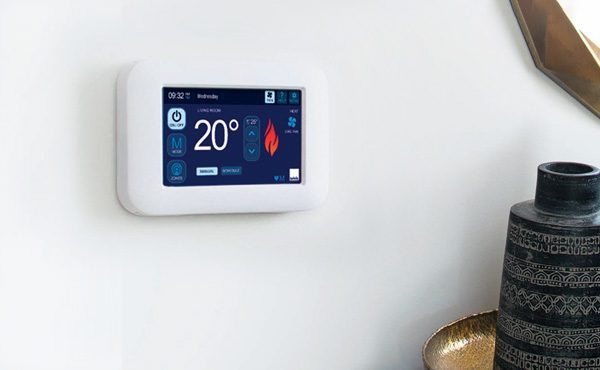
Think about the last button you pressed. Did it say Bedroom, Living or Zones? Or was it the power button for the whole air conditioner? Those controls can sit on the same piece of glass and do quite different jobs. A bedroom can show Off while the home screen still shows Cool.
A damper is a flap inside a duct. The zone button tells that flap where to move. The main control tells the air conditioner whether you want heating, cooling or fan operation. Some systems link the two commands and go into standby when the last zone closes. Others keep running and leave a path open for air. The controller model and the way it was set up in your home decide which behaviour to expect.
How do I check which command the unit received?
Go to the main air conditioning screen. On some installations there is a second wall control beside the zone pad. Read the operating state, then use the ordinary system Off button once. Note the time and leave the controls alone. If the display goes dark, check the manual for what that means. Some zone pads let you turn off their lights while the dampers stay in position.
If the airflow dies away and stays off, you have learnt something useful about your controls. Next time you leave the house, use the main power command. When someone just wants a quieter bedroom while the family stays in the lounge, the bedroom zone is the right place to start.
What is still running after you press Off?
Start where you noticed the problem. Hold your hand near an outlet you can reach from the floor. Listen at the return grille, the larger grille where air is drawn back into the system. If you can hear the outdoor unit from your usual living space, note that too. In a Sydney strata block, sound from a nearby balcony can be easy to mistake for your own unit.
Choose the closest match. Each answer gives you one thing to check next.
I feel a gentle breeze that fades away
Note whether it follows heating or cooling. Some ducted units run the indoor fan briefly after heating to clear warmth from the coil. Look up the shutdown sequence for your exact model. A fading breeze that ends as described in the manual is a good reason to leave the controls alone.
The breeze stays steady and feels like room air
Check whether the main unit is still On with Fan selected. Also look for a continuous fan setting. A fan can circulate air after the room reaches its target temperature. If the whole system shows Off and steady airflow carries on beyond its stated shutdown cycle, record it for a repair assessment.
One room keeps getting colder or warmer
Write down the room, the mode shown and whether the temperature keeps changing after system Off. A cool grille just after shutdown tells you little on its own. Continued airflow and a room that keeps changing temperature give the technician a clearer lead.
I hear a hum but cannot feel air at a vent
Note where the hum is loudest. If it comes from a bathroom or laundry, check whether a separate exhaust fan is on. A hum through a shared wall cannot tell you which compressor is running. Leave roof hatches and outdoor covers closed.
Why does air still come out of the lounge vent?
A lounge outlet can have a job even when the lounge is empty. In some homes, a duct to a common area has no motorised flap. This is a constant zone. Whenever the indoor fan runs, air has a route through that duct. The room may never appear as a switch on the zone page.
Another design uses a spill zone. Its damper can open automatically when too few other outlets are open. On some panels a flashing room light shows that this feature has taken over. A flashing light has other meanings on other models, so check the symbol before treating it as a fault code. The open path explains where the air goes. You still need the main screen to work out why the fan is on.
Picture a Randwick semi on a warm evening. The kids close both bedroom zones. Their rooms go quiet, but a strip of paper on the dining table still flutters under the lounge outlet. The main panel still shows Cool. In this example, pressing system Off and watching the airflow settle is a much better test than shutting the lounge grille by hand. Leave that grille clear so the system can use the airflow path it was designed for.
Now change one detail. The lounge has always gone quiet after shutdown, but this week the bedroom keeps getting cold while the rest of the system is running. That is a different complaint. A technician can compare the bedroom’s close command with the actual damper position. Bring up the change from last week when you book. It helps distinguish a possible stuck flap from the home’s usual spill-zone behaviour.
Did the fan run on, or did the system start again?
A quiet gap changes the question. If airflow continues without a break after you press Off, check the fan setting and the shutdown instructions. If the house goes quiet and airflow returns later, look at what could have requested a fresh start. Listen through the change once. There is no need to keep switching the unit on and off to reproduce it.
How long should the fan run after shutdown?
There is no single time that fits every ducted unit. One published ducted operating manual, for example, describes a 60-second indoor fan run after heating in a particular shutdown mode. That is a model-specific example. For your own system, find the model number on the handover paperwork and look under “indoor fan” or “after stopping” in the user manual. Record how long yours takes and which mode you were using.
Why does it come back on at the same time?
Imagine a Coogee flat where the air stops at bedtime but comes back just before the alarm each weekday. That quiet stretch is worth mentioning. Look for a weekday start time on the wall panel, a timer in the app, or a routine another member of the household set up. Photograph the schedule before changing it so you can put it back. A restart at the same clock time gives you a specific entry to check.
Also read the label beside “Auto”. On one screen it may mean the system can choose heating or cooling. On another it refers to fan speed. Copy the label in full. If both the app and the wall panel can control the system, note which one you used and whether their status agrees after you refresh the app.
What should I photograph before calling for help?
Two screenshots are especially useful. Take one of the room list with the zone states visible. Take the other on the main system screen, with power, operating mode and fan setting in view. If you only have a wall pad, use your phone camera. A close photo of the buttons can tell the person taking your call more than a guess at the model name.
- Record the sequence. Write down when you closed the last zone, when you pressed system Off and when the sound finally stopped. If it was still running when you left, say so.
- Name the room. “Air at the lounge outlet, bedrooms quiet” gives someone a location to check. Add whether that outlet normally blows whenever the system is on.
- Describe what changed. Note a recent controller replacement, a new schedule or the first day the behaviour appeared. An error code is worth photographing while it is visible.
A sample booking note
“At 8.10 pm I closed the last bedroom zone. The lounge still had airflow. At 8.12 pm I pressed Off on the main wall panel. At 8.30 pm it still showed Off and the lounge vent was still blowing. This started yesterday.” Those times illustrate how to report the symptom. Use your own observations.
Can I tell from the sound how much electricity it is using?
A fan moving room air and a system actively heating or cooling can sound much the same at a grille. Your household meter also includes the oven, hot water and other loads. A single reading cannot pin energy use on the air conditioner. If you already have a dedicated air conditioning energy monitor, save its time chart alongside the controller photos. The matching times are more informative than a loudness estimate.
When should a Sydney technician check the controls?
Book a fault assessment if the main panel shows Off yet heating or cooling keeps going, the fan repeatedly runs beyond the shutdown behaviour in your manual, or the unit starts again with no schedule you can identify. If you notice smoke or a burning electrical smell, stop using the system and seek urgent help. Leave electrical covers, wiring and roof-space checks to a qualified technician.
KYNEX Air Conditioning & Trades offers on-site fault assessment. For a suspected ducted AC zone controller problem, ask the technician to follow the command from the wall panel to the indoor unit. Did the unit receive Off? Is the fan still being told to run? Does the damper move when its room button changes? The answers help narrow the job to a setting, a control fault or a mechanical problem before you approve parts.
What have local customers said about service?
In a public review dated 13 March 2026, returning customer Andrew Barlow described the team as “Very responsive and knowledgeable.” On 6 June 2026, Mike Morgan wrote about Jason servicing and cleaning an ageing unit and replacing its pump. Both accounts concern the customers’ own service visits. For this particular symptom, the evidence that matters in your home is whether the unit follows the Off command.
For a unit that ignores that command, see the team’s air conditioning repairs Sydney service. If shutdown works as described and you want a routine airflow and filter check, use the air conditioning maintenance Sydney page. For a price specific to your system, call 0484 59 59 59. KYNEX Air Conditioning & Trades is at Suite 206 Level 2/71 Belmore Rd, Randwick NSW 2031.