
Why Does My Ducted Air Conditioner Stop When I Turn On a Second Zone?
If your ducted aircon stops when multiple zones open, the controller may have reached its target temperature, or a fault may be interrupting the fan, zone controls or power. Opening a second room should usually share the air between rooms. The quickest way to narrow it down is to notice what stays on.
Sydney homeowner guide · 26 November 2026 · Service information from KYNEX Air Conditioning & Trades
What should you check first when your ducted aircon stops when multiple zones open?
Look at the wall screen before you touch another button. Can you still see the room names? Is the cooling symbol lit? From floor level, feel for air at an outlet in the first room, then in the room you just added. A quiet lounge vent can make it sound as if the whole house has switched off. Air coming through the bedroom vent tells a different story.
In a ducted system, a fan sends air down branches to different parts of the house. A zone is one room or a group of rooms served by a branch or set of branches. Inside the duct, a flap called a damper controls how much air gets through. The screen shows what you asked the system to do. On many systems, it can’t tell you whether the flap actually moved.
Stop here if a breaker trips, you smell burning or you see smoke. Leave the system off and arrange qualified help. If there is smoke or fire, move to safety and call 000. Leave ceiling access, electrical covers and wiring to a technician. There is no need to recreate a shutdown to prove that it happened.
What did you see when the second zone came on?
Choose the closest match. If two descriptions fit, start with the one about the screen or a fault code. You can use these clues even if the system has already started again.
The first room went quiet, but the second room has air
The fan is still moving air. With two branches open, the breeze can feel softer at the first outlet. Notice whether both rooms move towards their target over time. A steady, gentle flow is a different repair question from one room losing all flow every time you select the other.
The screen stayed on and both rooms went quiet
Check the operating mode, target and measured room temperature. Look for a standby message, a timer or an error. If cooling resumes on its own as the room warms, record that too. A pause can be normal when demand ends. A repeated stop while the controlling room is still warm deserves a closer look.
The wall controller went black or showed its start-up logo
See whether the screen wakes with its usual light touch. A sleeping display can look blank while the fan carries on. A start-up logo, lost settings or a clock that needs setting again is more useful information. Tell the technician whether the main aircon control, the separate zone screen, or both went blank.
A fault code appeared or the breaker tripped
Take a photo of the code if it is safe to do so. Include every letter and number. Codes depend on the model. A protection shutdown means the unit has stopped in response to a condition it monitors. A breaker trip needs separate electrical investigation. Leave a tripped system off and report exactly which event you saw.
Can one cool room make the rest of the house stop cooling?
Yes, on systems where one sensor decides when cooling runs. The sensor might sit in the wall controller, in a nominated room, or where air returns to the indoor unit. If that spot is cool enough, the unit can ease back or pause while a sunny bedroom is still warm. Selecting a bedroom on a zone screen may simply open its damper. Whether that bedroom also gets a vote on temperature depends on your controls.
Consider a Randwick flat on a warm afternoon. The living room reads 23°C, the target is 23°C and the west-facing study feels much warmer. You open the study zone just as the living room reaches target. It seems as if the study button killed the cooling. The detail that matters is which room the system was listening to. This is an illustrative example you can compare with your own screen.
A July 2026 technical guide for an Australian ducted controller documents both arrangements. Its standard setup uses the return-air sensor. With suitable zone sensors fitted, an installer can nominate a main room instead. Check your handover notes for the words “main zone”, “master” or “control sensor”. If the room name is missing, a photo of the normal home screen can help the service team identify the setup.
Also check whether the event coincides with the same time each evening. A bedtime schedule might change the target just as someone opens the bedrooms. Record the time shown on the wall control and the active schedule. Leave installer settings alone. Changing several settings at once can hide the clue that would have explained the pause.
Why does one particular zone cause trouble?
Think about the combinations you’ve used in ordinary daily life. Perhaps the lounge and kitchen work together, but the lounge and back bedroom always go quiet. That gives the technician a named branch to inspect. They can check whether the bedroom button operates the right damper, whether its motor travels freely and whether the controller stays powered when it sends the command.
Now picture a different Sydney home. The owners have just changed the names on the wall screen. Tapping “study” brings a breeze through the spare room, while the study stays warm. A note naming the outlet that actually responded is worth more than a guess about a broken motor. It gives the technician a reason to check the room labels against the duct layout before quoting on parts.
If every second zone produces the same result, the common parts deserve attention too. These include the return-air path, fan settings, zone-control power supply and the way the zone panel talks to the indoor unit. A restrictive return or dirty filter can affect more than one room. Finding a dusty grille alone won’t explain why a screen restarts the instant you press one particular button.
Does opening another zone create too much pressure?
Opening a working damper generally gives the air another path. Pressure and flow also depend on what the other dampers and the fan do at the same time. Some installations have a common area that stays open or a “spill” zone that can take extra air. Leave those settings as installed. The meaningful check is to measure what changes between the working and failing combinations.
What should I photograph before calling for help?
If the issue happens during normal use, capture the home screen while the fault is visible. Include the mode, room names, target and measured temperature if shown. A second photo of the zone list can show whether another room switched off when you opened the bedroom. For a rented Sydney flat, those pictures also give the property manager a clear account to pass on.
A short note can be easier to use than a long video. Here is an example you can adapt to what you actually saw.
“Cooling was on in the lounge. I selected the back bedroom. The panel stayed lit and showed both rooms open. I could still feel air in the lounge, but none in the bedroom. I didn’t see an error code.”
Note whether it happened immediately or after the unit had been running for a while. Include recent changes such as a controller replacement, duct work or a room being renamed. If the controller is easy to reach, photograph its model label. The model of the outdoor unit alone may tell the repair team very little about the separate zoning equipment inside.
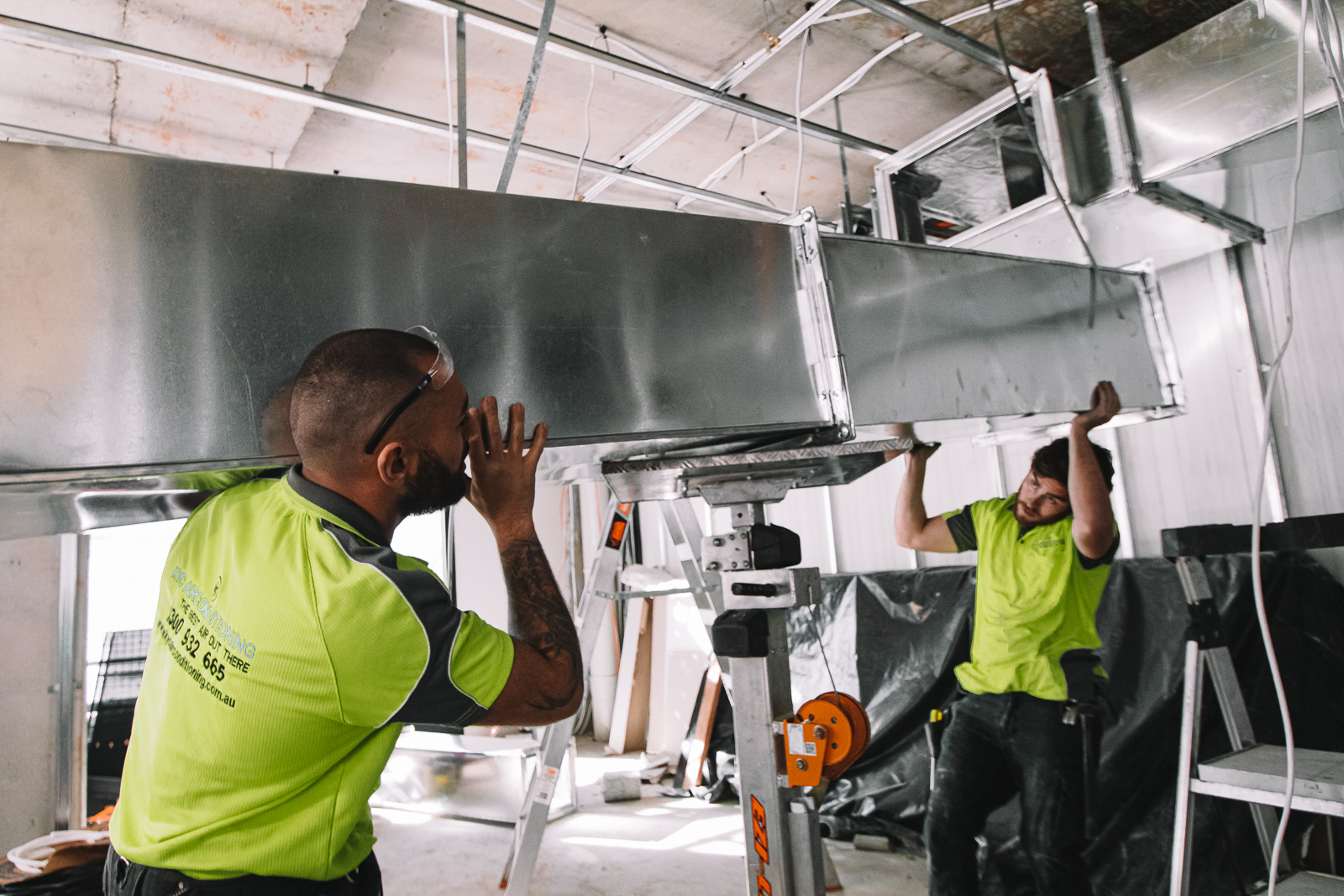
What does the installation look like?

What should a technician check before quoting on a new controller?
Ask for an explanation that connects the button you pressed to the part that failed. A technician can compare a working zone combination with the one you reported, where safe. Four questions help make sense of the findings.
- Did the indoor unit still receive a request to cool? The technician can compare the active sensor reading with the target and look for a timer, control change or stored fault. This helps explain why a fan or compressor stopped.
- Did the damper move to the requested position? A technician can match the room name to the physical branch and check the command, motor and flap. A screen icon alone is a poor reason to order a replacement motor.
- Did enough air reach the rooms? Outlet flow can be measured in litres per second. Duct pressure can be measured in pascals. Ask how the readings compare with the design and the indoor unit’s specified range. There is no single pass mark for every Sydney home.
- Did the controls remain powered and connected? If the display rebooted, the technician can check the supply and connections as the affected zone operates. After a repair, ask them to show you the same pair of rooms running together.
For a recently fitted system, have the zone plan and handover notes handy. If the room layout has changed, a conversation about ducted air conditioning installation Sydney can help you ask what the existing design was meant to serve. Get the fault explained before deciding whether any redesign is worthwhile.
How can KYNEX help with a second-zone shutdown in Sydney?
KYNEX Air Conditioning & Trades describes an on-site repair process that includes diagnosis, airflow or electrical checks where needed, a quote and final testing. Its ducted air conditioning repairs Sydney page gives the team’s service background. When booking, name the two rooms and say whether the screen stayed lit. That lets the team distinguish a room with weak airflow from a whole system losing power.
What does a dated customer account tell us?
In feedback that KYNEX attributes to June 2026, Mike Morgan described an ageing system that was cleaned and serviced. A failed pump was identified and replaced. His account concerns a pump. Its relevance here is the level of detail you can ask for after a visit: which component failed, how the technician identified it and what they checked once it was replaced. The related repair guide below carries the published account.
Related reading
- Why Does One Indoor Unit Stop Cooling While the Others Still Work on the Same Multi-Split System?
- Can a Damaged Ducted Air Conditioning Supply Duct Be Repaired Without Replacing the Entire Duct Network?
Browse the KYNEX article sitemap for more Sydney homeowner guides.