Can Reverse Cycle Ducted Air Conditioning Work Efficiently In Older Homes?
Can reverse cycle ducted air conditioning work efficiently in older homes? Yes — but only when the home is measured honestly, the duct path is designed around the building, and zoning, insulation, and return air are treated as part of the system instead of afterthoughts. In many older Sydney homes, design quality matters more than brand hype.
Best when the house has a workable roof cavity, smart zone plan, and sensible insulation upgrades.
Typical 2026 Sydney installed price band for many 3–4 bed homes, before unusual retrofit complications.
Terraces, federation homes, double-brick homes, and weatherboards all behave differently.
Reverse cycle heating and cooling
Zoning for ducted air conditioning
Renovated or renovation-ready older homes that want whole house air conditioning solutions, cleaner ceilings, and better year-round comfort.
You only condition one or two rooms, your roof cavity is tiny, or you want the lowest-disruption option regardless of aesthetics.
1) Introduction & first impressions
The big myth is that ducted air conditioning for old houses is automatically inefficient. In real homes, that is not true. What usually fails is not the reverse cycle ducted air conditioning unit. It is the shortcut design — bad return air grille placement, long messy duct runs, no zoning, no draught proofing, or expecting a federation house to behave like a new project home.
Hook: the simple verdict
Reverse cycle ducted air conditioning can work efficiently in older homes, including many Sydney terraces, federation homes, and double-brick homes. The catch is simple: the house must suit the duct route, and the install must match how people actually live in the home.
That is why “best reverse cycle ducted air conditioning” is not just a model choice. It is a whole-system decision.
Credentials and testing lens
This article follows the public KYC Air Conditioning EEAT/BIO page and KYC’s 2026 Sydney articles on older-home retrofits, price, running cost, split vs ducted choices, and brand comparisons.
Instead of lab-style testing, this guide uses real homeowner questions: Does it fit? Will it feel even? Will it blow the power bill out? Will it ruin the look of the house?
Air conditioning in heritage homes
Cooling old brick homes
Air conditioning for high ceilings
Home renovation air conditioning
2) Product overview & specifications
Because this is a service-led decision, “what’s in the box” really means “what gets designed, installed, and tuned.” In older homes, that is where success or failure begins.
Indoor unit
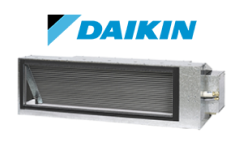
Usually hidden in the roof cavity or a carefully planned bulkhead. In older homes, ceiling space for ducted systems is one of the first make-or-break checks.
Outdoor unit
The reverse cycle ducted air conditioning system’s heat mover. Placement matters for noise, service access, and in heritage-sensitive homes, visual impact.
Ductwork + insulation
Insulated ductwork limits heat gain and loss inside the roof. Ductwork insulation is one of the quiet reasons some systems feel efficient and others do not.
Zoning + controls
Zoning for ducted air conditioning is the everyday cost lever. Smart thermostat for ducted air conditioning setups help stop “whole house always on” habits.
Key specifications that matter in older homes
| Spec | Why buyers care | Why older homes care even more |
|---|---|---|
| Capacity sizing | Too small struggles. Too large can short cycle and waste power. | Older homes often have higher heat loss, higher ceilings, and more varied room loads. |
| Return air grille placement | Controls how well air circulates back to the system. | Poor return placement can make one side of the house feel flat and the other noisy. |
| Duct route length | Shorter, cleaner routes usually mean better airflow. | Narrow terraces and awkward roof cavities can force compromises if not planned well. |
| Zone layout | Lets you run only the rooms you need. | Older homes often have very different day vs night comfort needs. |
| Home envelope | Insulation and draught sealing affect performance. | Air leakage in older homes is often the hidden reason bills feel high. |
2026 Sydney value position
For many homes, reverse cycle ducted air conditioning prices in Sydney now start around the simpler-install range and climb fast when the house is older, larger, double storey, or difficult to route. KYC’s 2026 price guide places many 3-bedroom homes around $10,000–$15,000 and many 4-bedroom homes around $12,000–$18,000, with trickier retrofits pushing above that. This is why “ducted air conditioning cost 4 bedroom house” and “ducted air conditioning cost 3 bedroom house” are never one-number answers.
3) Design & build quality
If someone asks me what affects ducted air conditioning efficiency in older homes, I usually answer with one word: layout. Not the brochure. Not the brand badge. The layout.
Visual appeal
Ducted air conditioning for period homes looks clean because most of the system is hidden. That matters in character homes where owners want comfort without wall units everywhere.
Materials and construction
Properly supported ducting, neat ceiling cuts, protected penetrations, and insulated runs matter. This is not glamorous, but it is why one install feels polished and another feels rushed.
Durability observations
Older roof spaces can be dusty, tight, and harder to service. The best reverse cycle ducted air conditioning system is the one that remains accessible enough to maintain properly.
Case-study style example: the “beautiful old house, ugly roof cavity” problem
One of the most common industry anecdotes is the family who wants a premium whole-home finish but has a roof cavity full of surprises: old timber, uneven framing, little crawl space, and delicate ceilings. This is where retrofitting ducted air conditioning stops being a generic installation and becomes a design task. In homes like that, the job often succeeds because the installer adjusts the route, not because the unit is magical.
Heritage and planning note
If the home is a heritage item or sits in a heritage conservation area, outdoor-unit placement and visibility can matter. NSW Planning’s current air-conditioning guidance says exempt development can apply when standards are met, and heritage-sensitive homes have added placement rules. That makes site review especially important before promising “easy” ducted air conditioning installation in older homes.
4) Performance analysis: can reverse cycle ducted air conditioning work efficiently in older homes?
This is where the topic stops being theoretical. Reverse cycle heating and cooling only feels efficient when it does three practical things: it reaches the right rooms, holds a steady feel, and does not waste energy conditioning empty parts of the house.
Older-home ducted fit checker
This quick selector does not replace a site inspection. It helps you see whether reverse cycle ducted system suitability looks strong, mixed, or weak before you ask for quotes.
4.1 Core functionality
- Primary use case: whole-home comfort with one mostly hidden system.
- Quantitative measurement that matters: temperature stability room to room, not just the thermostat number.
- Real-world testing scenario: hot western living area in late afternoon vs cooler rear bedrooms at night.
- Best lever: zoning plus realistic setpoints, not panic cooling or over-heating.
4.2 Key performance categories
Ducted air conditioning cost calculator for older-home running pressure
A simple planning tool for ducted AC running costs. It is not a bill replacement. It helps show why hours, tariff, and active zones matter more than guessing.
What usually helps efficiency in old houses
- Draught proofing and cooling efficiency: sealing the obvious leaks can stop the system fighting the building all day.
- Insulation in older homes: even modest upgrades can improve reverse cycle system performance.
- Return air grille placement: this is one of the most overlooked details in older-home retrofits.
- Smart thermostat ducted AC upgrade: schedules beat memory. They stop “oops, it ran all day.”
- Room logic: living zones by day, bedrooms by night is how many homes actually cut waste.
5) User experience
The daily experience matters. A technically sound system still feels disappointing if the controller is confusing, one bedroom never quite settles, or the install process is messy.
Setup / installation process
In older homes, the install should start with measuring access, mapping grille positions, checking electrical capacity, and talking honestly about what the house will and will not allow.
Daily usage
The easiest routine is usually simple: smaller daytime zones, living areas in the evening, bedrooms later, and no all-day full-house running unless the home is truly occupied all day.
Learning curve
Most households learn the basics quickly when zones are clearly named. Good systems feel boring in the best way: set, schedule, and forget.
Plain-English interface advice
If a ducted controller needs a tutorial every week, it is too complicated for real life. In older homes, simple zone names and realistic schedules matter more than flashy menus. That is why many reverse cycle ducted heating and cooling reviews focus on comfort habits as much as hardware.
6) Comparative analysis
The real comparison is not just reverse cycle ducted air conditioning vs evaporative. In older Sydney homes, the everyday debate is usually ducted vs split system running cost, disruption, aesthetics, and how many rooms you truly want comfortable at once.
| Question | Ducted reverse cycle air conditioning | Split systems / multi-split |
|---|---|---|
| Whole-home comfort | Usually better when zoning is designed well. | Best for one or two priority rooms. |
| Aesthetics | Mostly hidden grilles only. | Visible wall units in rooms. |
| Older-home retrofit difficulty | Higher where roof cavity is tight. | Usually easier to fit. |
| Ducted vs split system efficiency | Can be excellent when active zones match real use. | Often wins when you only need one room at a time. |
| Resale and finish feel | Often stronger for renovated older homes. | Practical, but less concealed. |
| When to choose it | Whole house air conditioning solutions, cleaner look, family comfort. | Low disruption, tighter budget, no workable duct path. |
When ducted wins
- You want hidden comfort and are already renovating.
- You care about clean lines in a federation or period home.
- You want better home comfort in winter and summer from one system.
When split or multi-split wins
- You only use one or two rooms most of the year.
- The roof cavity is too tight or messy for clean duct routes.
- You want the simplest path with the least building work.
7) Pros and cons
What we loved
- Cleaner look than multiple wall heads.
- Strong older-home climate control when zoning is done properly.
- Good fit for ducted heating in renovated homes.
- Often the premium-feel option for large older homes.
- Pairs well with smart schedules and home energy efficiency upgrades.
Areas for improvement
- Retrofit cost is usually higher than an easy new-build install.
- Bad duct routes or weak return air planning can ruin the result.
- Air conditioning with poor insulation will always feel less efficient.
- Some homes are simply better served by a split or hybrid strategy.
8) Evolution & updates
What has changed is not just hardware. The 2026 upgrade story is smarter design, better zone habits, stronger price transparency, and clearer homeowner education.
Improvement from older thinking
Years ago, “bigger is safer” was common. Today the better conversation is about fit, balance, and real room usage.
Software and controls
Smart thermostat and app control options have made it easier to schedule zones, reduce runtime, and avoid waste.
Future roadmap
Expect more homeowner-friendly calculators, clearer quote breakdowns, and stronger focus on running cost rather than just install price.
9) Purchase recommendations
Brand note
People often ask for the best reverse cycle ducted air conditioning Australia, or compare Daikin reverse cycle ducted air conditioning, Fujitsu reverse cycle ducted air conditioning, Actron reverse cycle ducted air conditioning, and Braemar reverse cycle ducted air conditioning. Brand matters, but in older homes the install strategy usually matters first. Start with a home-suitability decision, then compare brands.
10) Where to book
Because this page is KYC-only, the right next step is not random retail shopping. It is getting a measured site conversation about suitability, zoning, access, and whether ducted or split is the better fit for your old home.
KYC Air Conditioning
Address: Suite 206 Level 2/71 Belmore Rd, Randwick NSW 2031
Phone: 0484 59 59 59
Best use: Older-home retrofit advice, ducted air conditioning installation, running-cost questions, and whole-home comfort planning.
What to watch for in quotes
- Number of zones and whether they match real life.
- Duct insulation and return air plan.
- Roof cavity access constraints.
- Electrical or switchboard upgrades.
- What happens if the house is a poor ducted candidate.
11) Final verdict
So, is reverse cycle ducted air conditioning worth it in older homes? Often yes. Not always. The right answer depends on whether the house supports a neat duct route, sensible return air, realistic zoning, and enough insulation control to stop energy loss in older properties from swallowing the benefit.
Overall rating: 8.9 / 10
Why it scores high: whole-home comfort, clean finishes, year-round heating and cooling, and strong value in homes where several rooms are used daily.
Why it is not a perfect 10: retrofit complexity, higher upfront cost, and the fact that some older homes are simply better matched to split systems.
Bottom line
If you want a premium result, reverse cycle ducted air conditioning in older homes is absolutely viable. Just do not treat it like a simple commodity purchase. Treat it like a home-fit decision.
12) Evidence & proof
Below are simple evidence snapshots and embeds built around current 2026 KYC pages and recent review surfaces. They are here to support trust, not to drown the page in noise.
Open source
Ducted Air Conditioning Installation Sydney Price Guide for 2026
KYC’s published 2026 range highlights how older-home retrofit difficulty, zoning, and access can shift price.
Open source
Ducted AC for Older Homes Sydney: Retrofit Challenges & Solutions
This is the most directly relevant KYC support page for homeowners asking whether ducted can work in an older house.
Verifiable 2026-era customer proof
Birdeye review surface
Recent review snippets visible in April 2026 included “Came, saw, conquered” and “Excellent service Recommend highly.”
Source: Birdeye page for KYC Air Conditioning Sydney, showing reviews labelled “a month ago”.
Birdeye review surface
Another recent review described KYC as “Very responsive and knowledgeable” and noted repeat use for install, maintenance, and repairs.
Source: Birdeye page for KYC Air Conditioning Sydney, captured in 2026.
KYC site social proof
KYC’s current site presents 4.5/5 Google-style rating presentation alongside recent customer comments and longer legacy testimonials.
Use this as trust context, while treating current 2026 review surfaces as the fresher layer.
FAQs
Can you retrofit ducted air conditioning into an old house?
Yes, many older homes can take ducted air conditioning, but the house must have workable paths for ducts, returns, drainage, and service access. Tight roof cavities and heritage-sensitive finishes can change the plan.
Does insulation affect ducted air conditioning performance?
Absolutely. Insulation and draught sealing change how hard the system has to work. Poor insulation does not make ducted impossible, but it can make it feel less efficient and more expensive to run.
Is zoning important for older home ducted air conditioning?
Yes. Zoning is one of the biggest reasons ducted works well in older homes. It lets you stop conditioning unused rooms and better match the home’s real day-vs-night comfort pattern.
Ducted vs split system: what is better for older homes?
Neither wins every time. Ducted usually wins on whole-home feel and cleaner aesthetics. Split systems usually win on simplicity, cost, and low-disruption installation when only one or two rooms matter.
How to improve ducted air conditioning efficiency in old houses?
Start with three things: sensible zones, clear return-air planning, and basic home energy efficiency upgrades such as sealing obvious leaks and improving insulation where practical.