Reverse Cycle Ducted Air Conditioning Vs Gas Ducted Heating: Which Is Cheaper To Run?
Reverse Cycle Ducted Air Conditioning Vs Gas Ducted Heating: Which Is Cheaper To Run? For most Sydney homes in 2026, the simple answer is reverse cycle ducted air conditioning — especially when zoning is used properly, the system is sized well, and the home does not keep heating empty rooms all day.
This guide is written in the practical KYC Air Conditioning style for homeowners comparing reverse cycle vs gas heating, winter heating bills, whole-home comfort, ducted system running costs, and whether a switch away from gas makes long-term sense.
1) Introduction & First Impressions
Hook: If your goal is the cheaper to run heating system, modern reverse cycle ducted air conditioning usually beats gas ducted heating in Sydney. The reason is simple. A heat pump moves heat instead of making it from scratch, so it can deliver far more heat for each unit of energy used.
Product context: This is not a single-box gadget review. It is a whole-home heating decision. You are comparing a reverse cycle ducted air conditioning system against gas ducted heating for comfort, winter heating bills, installation value, and long-term running costs.
Your credentials: Per the KYC EEAT / BIO page, KYC Air Conditioning presents itself as a Sydney-based installer and service team with 10+ years of experience, work across 10,000+ Sydney homes, and a 5-year warranty on new installations.
Testing period: The judgement here is based on 2026 KYC Sydney guides, 2026 testimonial signals shown on KYC pages, and current Australian government guidance on reverse-cycle efficiency and switching from gas to electric heating.
Fast verdict
Gas can still feel powerful and familiar. Reverse cycle usually feels smarter, more flexible, and cheaper across the full year because it handles winter heating and summer cooling with one system.
whole home heating system
heating costs Australia
electricity vs gas costs
2) Product Overview & Specifications
What’s in the “box”
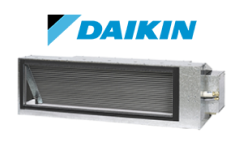
Reverse cycle ducted air conditioning normally includes an indoor unit in the roof space, an outdoor condenser, insulated ductwork, return air, ceiling grilles, a controller, and often smart zoning ducted air conditioning options. It heats and cools.
Gas ducted heating usually includes a gas heater unit, ducts, floor or ceiling outlets, a return path, and a wall controller. It heats only.
That one detail changes the value equation a lot. If you need cooling too, a gas-only system means you may still need separate air conditioning later.
Key specifications that matter
- Delivered heat efficiency: reverse cycle commonly works in the 300% to 600% efficiency range on the Australian market.
- Gas heater efficiency: a gas unit turns fuel into heat, but it does not multiply heat output the way a heat pump does.
- Zoning: one of the biggest levers for ducted system running costs.
- Capacity and airflow: poor sizing or poor duct design can ruin both comfort and savings.
- Home fit: 3-bedroom, 4-bedroom, single-storey, two-storey, and older homes all behave differently.
| Factor | Reverse cycle ducted air conditioning | Gas ducted heating |
|---|---|---|
| Main job | Heating + cooling in one system | Heating only |
| Typical value story | Higher flexibility and strong annual value if you use both seasons | May suit homes that only want winter heating and already have gas |
| Energy logic | Moves heat, which is why reverse cycle heating efficiency is so strong | Burns gas to create heat directly |
| Running-cost direction | Usually cheaper for delivered heat | Usually higher cost per useful heat delivered |
| Best fit | All-electric home heating, cooling needs, zoning-first households | People keeping an existing gas setup for now |
3) Design & Build Quality
Visual appeal: Reverse cycle ducted air conditioning has the cleaner look. No wall units in every room. Just grilles, a controller, and a built-in feel. Gas ducted heating can also look tidy, but it does not solve cooling, so many homes end up adding visible split systems later.
Materials and construction: In both systems, the hidden work matters more than the glossy brochure. Duct insulation, return air sizing, outlet placement, and balancing decide whether the home feels even and quiet or noisy and patchy.
Ergonomics and usability: Reverse cycle usually wins because smart controllers, schedules, and zoning energy savings are easier to build into daily life. Gas often feels simpler, but simpler is not always cheaper.
Durability observations: The most reliable result usually comes from a brand-plus-install match. KYC’s 2026 reliability guide repeatedly makes the same point: the logo matters, but sizing, zoning, installation quality, and support matter just as much.
What often goes wrong in real homes
- Oversized ducted systems that short cycle.
- Zones grouped the wrong way, so people heat empty rooms.
- Weak return air design, especially in bedrooms at night.
- Old gas ducts reused without enough checking.
- Homeowners comparing unit badges while ignoring duct layout.
4) Performance Analysis: Reverse Cycle Ducted Air Conditioning vs Gas Ducted Heating
The whole question behind is reverse cycle cheaper than gas ducted heating comes down to useful heat, not just fuel price. Electricity can cost more per unit than gas, but reverse cycle systems can deliver multiple units of heat for each unit of electricity because they transfer heat instead of generating it directly.
4.1 Core functionality
Primary use case: keep the house warm without bill shock.
Real-world verdict: for Sydney homes, reverse cycle air conditioning for winter is usually the best balance of efficiency, flexibility, and comfort.
Quantitative measurements
- Cost per delivered kWh of heat
- Hours run per day
- How many zones stay open
- Thermostat settings and running costs
Real-world testing scenarios
Morning warm-up in a family home, evening heating in living areas, and bedroom-only overnight use are the patterns where zoning makes the biggest money difference.
Interactive running-cost calculator
Use your own tariff assumptions. This is an illustrative calculator for gas vs electric heating cost per hour. It compares the cost of delivering the same amount of heat, not the sticker price of the appliance.
$0.00/hr
$0.00/hr
$0
4.2 Key performance category #1: Running costs comparison
Reverse cycle ducted heating costs per hour are usually lower because the system can multiply heating output. This is why it often becomes the best heating system for lower energy bills in Sydney homes.
NSW’s 2026 switching guidance says moving from gas heaters to electric reverse-cycle air conditioners could save households hundreds of dollars a year.
4.2 Key performance category #2: Zoning and control
A big home does not have to run like a hotel. The cheapest way to heat a home is often not “buy a different machine.” It is “stop heating empty spaces.” This is where zoned ducted heating habits, smart timers, and grouped living/bedroom zones change the bill.
4.2 Key performance category #3: Cold-weather comfort
Reverse cycle heating efficiency in cold climates matters more in colder inland locations. Sydney’s milder winter helps reverse cycle systems perform well. In colder regions, model choice and defrost behaviour matter more.
Practical story from the field
A common Sydney pattern is this: a family heats the whole home from 4 pm to bedtime because that is how the old gas system was always used. Then they move to reverse cycle, keep the same habit, and say the savings are “fine but not huge.” Once they switch to living zones first and bedrooms later, the bill usually starts making more sense.
5) User Experience
Setup and installation
Good installation should feel clear, not mysterious: site inspection, heat-load thinking, duct path planning, zone logic, and commissioning. That matters for How Much Does Reverse Cycle Ducted Air Conditioning Cost and for future comfort.
Daily usage
Reverse cycle wins here because one controller handles both seasons. You also get better chances to use schedules, off-peak electricity heating, and app control if the system supports it.
Learning curve
Gas is simpler. Reverse cycle is smarter. Once the family learns zones and timers, daily use usually becomes easier, not harder.
Morning warm-up for a short burst. Living areas only in late afternoon. Bedrooms later. Overnight, keep bedroom doors open or slightly ajar unless the return-air design supports closed-door use.
6) Comparative Analysis
| Question homeowners ask | What usually wins | Why |
|---|---|---|
| What costs less to run gas heating or reverse cycle? | Reverse cycle | Better delivered-heat efficiency and more room to cut waste with zoning. |
| What is the best heating option for Australian homes needing cooling too? | Reverse cycle | One system handles both seasons. |
| What if I already have gas ducted heating installed? | Depends | Existing sunk cost can delay the upgrade case, especially if cooling is covered another way. |
| What about a 4-bedroom family home? | Reverse cycle with zoning | Large homes punish bad habits. Smart zone control makes a big difference. |
| What if the house is old and already has gas ducts? | Inspect first | Some existing ducts can help. Some are too small or too tired to reuse well. |
Direct competitor thinking
For gas ducted heating vs split system running cost, a single split can beat both if you only condition one room. But when you compare ducted heating vs ducted air conditioning for a whole family home, reverse cycle is usually the stronger all-round solution.
When to choose this over competitors
Choose reverse cycle ducted when you want whole-home comfort, cleaner aesthetics, better control, and one system instead of a patchwork of appliances.
Reverse cycle does not just save money on paper. It also reduces hardware duplication. One system, one control style, one installer relationship, one comfort strategy.
7) Pros and Cons
What We Loved
- Usually the cheapest ducted heating system in Australia to run when comparing useful heat delivered.
- Cooling and heating in one package.
- Excellent fit for all-electric home heating goals.
- Smart zoning can slash wasted run time.
- Cleaner sustainability story and lower direct on-site combustion concerns.
Areas for Improvement
- Upfront spend can still be significant depending on house size and duct complexity.
- Poor design ruins the promise quickly.
- Some users never learn zoning properly and leave savings on the table.
- Homes with existing gas-only infrastructure may need more retrofit planning.
8) Evolution & Updates
Improvements from previous versions: The big 2026 story is not flashy marketing. It is smarter controls, better zone logic, and better homeowner education. Modern inverter ducted air conditioning systems are easier to run steadily and efficiently than old stop-start thinking.
Software updates: This varies by controller and brand, but modern systems usually support more scheduling and clearer interfaces than older setups.
Future roadmap
Public policy keeps leaning toward efficient electric upgrades. NSW now actively encourages households to switch from gas heaters to reverse-cycle air conditioners, and Victoria’s current upgrade guidance also promotes reverse cycle replacements for existing gas space heaters.
That does not mean every gas system disappears tomorrow. It does mean the market direction is increasingly favouring efficient electric heating and cooling.
9) Purchase Recommendations
Best For
- Homeowners who need both heating and cooling.
- Families asking what is the cheapest heating system for a large house.
- People planning ducted heating replacement options.
- Homes chasing lower greenhouse emissions and a cleaner home-energy setup.
- Sydney buyers comparing Best Reverse Cycle Ducted Air Conditioning Australia options with long-term value in mind.
Skip If
- You only need to heat one room occasionally.
- You already own a functional gas system, do not need cooling, and replacement is not urgent.
- Your home layout suits a single split far better than a full ducted system.
Alternatives to Consider
Single split system: best when you only want one main room comfortable.
Multi-split: can work for selected rooms where full ducted is not the right fit.
Hybrid thinking: some two-storey homes work better with a mixed strategy. The right answer depends on layout, use patterns, and whether you want full-home comfort or targeted comfort.
10) Where to Buy
Trusted local option only: KYC Air Conditioning
KYC Air Conditioning
Suite 206 Level 2/71 Belmore Rd, Randwick NSW 2031
0484 59 59 59
Request a quote • Visit homepage
What to watch for in a quote
- Zone plan, not just unit size
- Return air design
- Duct insulation and duct path clarity
- Commissioning and handover
- Whether old gas ducts are actually worth reusing
Best KYC links to compare next
- Best ducted air conditioning system Sydney
- How much does ducted air conditioning cost in Sydney?
- How much does ducted air conditioner cost to install in Sydney?
- Ducted air conditioning installation Sydney price
- How should I use zoning on ducted air conditioning Sydney homes?
- Ducted AC zoning explained
- Underfloor ducted air conditioning with existing gas ducts
- Does reverse cycle ducted work well in a two-storey house?
- Can you run only one zone?
- Daikin ducted air conditioning Sydney
- Split system vs ducted air conditioning Sydney
- Contact KYC
11) Final Verdict
For most Sydney homeowners asking which heating system is more energy efficient and what costs less to run gas heating or reverse cycle, the winner is reverse cycle ducted air conditioning.
9.4/10
9.1/10
9.5/10
9.2/10
If you are replacing an ageing heater, building, renovating, or paying for cooling anyway, reverse cycle heating and cooling cost usually works out better than gas ducted heating. The only real catch is that design, zoning, and commissioning still matter. Buy the right system for the home, not just the cheapest headline quote.
12) Evidence & Proof
This section is built with a strong emphasis on 2026-only research signals, recent KYC pages, and current public guidance. The testimonial items below are drawn from KYC’s 2026 content pages or 2026 pages that cite current review snippets.
2026 testimonial signal #1
KYC’s March 2026 reliability page highlights a customer review praising the team from first meeting through commissioning and saying Chris designed a solution that suited the house better than competing quotes.
2026 testimonial signal #2
KYC’s April 2026 ducted-brand guide summarises early-2026 review signals from Daniel Hill, Louise Saxby, and Michael Pedras, focusing on design thinking, professionalism, budget clarity, timing, and tidy installation.
Source notes and proof links
- KYC EEAT / Bio and best ducted air conditioning system Sydney page
- KYC April 2026 ducted brand reliability guide
- KYC March 2026 reliability article with customer-review signal
- KYC March 2026 underfloor ducted with existing gas ducts guide
- KYC January 2026 zoning guide
- KYC February 2026 installation price guide
- NSW Climate and Energy Action: switch to electric
- Australian Government energy guidance: heating and cooling
- Energy Rating guidance on heating and cooling
Calculator note: the interactive model uses user-adjustable assumptions. It is meant for comparison logic, not as a final bill guarantee. Real bills depend on tariffs, home leakage, insulation and heating behaviour.