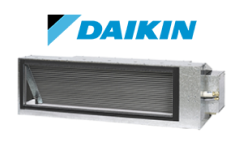
Why Is One Room Hotter Than Another With Ducted Reverse Cycle Air Conditioning?
Why is one room hotter than another with ducted reverse cycle air conditioning?
In most Sydney homes, the answer is not “the unit is bad.” It is usually airflow imbalance, ducted AC zoning problems, thermostat placement problems, return air imbalance, leaking air ducts, or a room that simply gains more heat than the rest of the house.
If one bedroom is hotter than the rest, start with the simple stuff first: blocked air vents, closed dampers, dirty air filters, and sun exposure. If the problem keeps coming back, the deeper cause is usually poor air distribution, long duct run problems, inadequate insulation, or zoning control that was never balanced properly.
- Best first check: vent open, filter clean, zone actually active
- Most common hidden issue: airflow restriction in ducts
- Most expensive mistake: treating a design fault like a small service problem
- Best next step in Sydney: get a proper air balancing ducted system inspection from KYC
airflow, zoning, insulation, sensors
dated testimonials included below
homes with hot bedrooms or warm upstairs zones
Randwick, Sydney
Why one room hotter than another usually points to system balance, not just raw cooling power
I have seen this story play out again and again in Sydney homes. The lounge feels fine. The hallway feels fine. Then you walk into the back bedroom and it feels like the system forgot that room exists. The first instinct is often to blame the reverse cycle ducted air conditioning unit. But in real life, the problem is usually how the whole reverse cycle ducted air conditioning system is delivering air to that room.
That matters because the fix changes depending on the cause. A west-facing room overheating at 5 pm is a very different problem from a room with weak conditioned air delivery because of branch duct imbalance. One needs better control and maybe better insulation performance. The other may need damper adjustment, duct leakage testing, or changes to the return air path.
22°C and comfortable
25°C and stuffy
26°C late afternoon
Is the room really in an active zone, or partly starved by settings?
Supply air vent issues and return air grille problems are common.
West-facing room overheating and solar heat gain can overwhelm weak airflow.
Long duct run problems and duct leakage can quietly rob performance.
Reverse cycle ducted air conditioning: how it works, what is in the “box,” and why hot rooms happen
A reverse cycle ducted air conditioning system is not just an indoor unit and outdoor unit. It is a whole network: indoor fan coil, outdoor condenser, ductwork, supply grilles, return air grille, zone dampers, controller, temperature sensor, and the way the home itself holds or loses heat. That is why reverse cycle ducted air conditioning how it works matters if you want to understand uneven heating and cooling.
In plain English: the unit makes cooled or heated air, but the duct layout decides how well each room receives it. A room can be hotter because the system is delivering less air there, because that room gains more heat, or both.
What is included
Indoor unit, outdoor unit, ductwork, grilles, controller, return air, zoning hardware, commissioning.
Technical details that matter
System capacity, fan speed, static pressure, zone design, return air balance, branch lengths, sensor location.
Why buyers miss the real issue
People compare unit brands first, but room temperature problems often come from design faults or setup, not the badge.
| Component | What it does | How it can make one room hotter than another |
|---|---|---|
| Zone damper | Opens or closes airflow to a zone | Wrong calibration can cause ducted AC room not getting enough air |
| Temperature sensor / thermostat | Tells the system when to ramp up or settle down | Bad temperature sensor location can trick the whole system |
| Ductwork | Moves conditioned air to each room | Leaking air ducts, undersized ductwork, or long runs weaken delivery |
| Return air path | Helps air circulate back to the system | Poor return air imbalance creates stale or uneven airflow |
| Home shell | Holds in cooled or heated air | Ceiling insulation issues, draughts, and room orientation change the load |
Useful KYC reads for planning and buyer context:
ducted air conditioning installation Sydney price guide,
daily running cost guide,
ducted air conditioning cost in Sydney 2026,
and
ducted AC cost by bedroom.
Good ducted design feels boring in the best way: quiet, steady, balanced, and easy to live with
The best reverse cycle ducted air conditioning does not scream for attention. It just makes the house feel even. When it is right, you do not get hot and cold spots in house, weird airflow noise, or that one room everyone avoids after lunch.
When it is wrong, you see the classic pattern: one room hotter than another, hot upstairs cold downstairs, and family arguments about who touched the controller.
Visual appeal
Ducted air conditioning keeps the room clean-looking. But the real beauty is behind the ceiling: neat ducts, smart return placement, and grilles that do not fight the room layout.
Long-term durability
A tidy install ages better. Poor bends, squeezed ducts, or badly planned branch lines can create comfort issues long before the unit itself wears out.
Why is one room hotter than another with ducted air conditioning? The 7 biggest performance causes
This is the heart of the guide. If your ducted air conditioning is not cooling evenly, one of these causes is usually in play. Often, it is not just one issue. It is two or three small losses stacking up.
1) Airflow imbalance
Air conditioning airflow imbalance is the big one. If one room gets less supply air, it will run warmer. This can happen because of closed dampers, poor duct design, branch duct imbalance, or supply air vent issues.
2) Heat load differences between rooms
West-facing room overheating, large windows, poor blinds, and sun exposure can push one room beyond what the current airflow can handle.
3) Thermostat placement problems
If the sensor sits in a cool hallway, the unit may slow down before the hot room ever catches up. That is classic thermostat calibration trouble.
4) Return air imbalance
Conditioned air has to move back through the home. Weak return air grille problems can leave some rooms stuffy and stagnant even when the system is on.
5) Duct leakage or restriction
Leaking air ducts, crushed flex, bad joints, or undersized ductwork quietly reduce the volume reaching the far room.
6) Dirty filters or maintenance issues
Dirty air filters, fan speed problems, or general air conditioning maintenance issues can reduce overall delivery across the system.
7) Home envelope problems
Inadequate insulation, room sealing and draughts, and ceiling insulation issues increase energy loss and create reverse cycle AC temperature imbalance.
Bonus: zoning control mismatch
Can ducted zoning make one room hotter? Yes. If the zone is oversized, undersized, or poorly commissioned, one area can steal air from another.
Interactive: room heat imbalance score
Slide the controls to estimate whether your issue looks more like airflow, heat gain, or both.
Your room likely has both heat gain and airflow distribution problems.
4.1 Core functionality
The main job of a reverse cycle ducted air conditioning unit is simple: move enough conditioned air to each room so the house feels even. When one room keeps missing the target, the system is failing at room-level delivery even if the overall house temperature looks “fine” on the controller.
4.2 Quantitative measurements that matter
Weak vent feel in one room often points to supply restriction or zone balance trouble.
A consistent 2°C to 4°C room gap is a real comfort problem, not just perception.
If the unit cycles down too early, sensor placement may be fooling it.
4.3 Real-world testing scenarios
Related KYC internal links:
ducted AC zoning explained,
how to use zoning properly,
retrofitting zoning to existing ducted AC,
and
smart zoning system comparison.
How to fix uneven cooling in a ducted air conditioning system without turning your whole day into HVAC homework
Most homeowners do not want to learn every ducted term. They just want the house to feel right. Fair enough. So here is the practical workflow KYC would start with.
Step 1: do the easy checks
- Make sure the room is in the active zone
- Confirm the vent is fully open
- Check for blocked air vents by furniture or curtains
- Clean or replace dirty air filters
- Close blinds in the hot room before the sun hits
Step 2: watch the pattern
- Hot all day = likely airflow or duct issue
- Hot only late afternoon = likely sun exposure and room temperature load
- Hot only when other zones run = likely zoning or air pressure balance issue
Interactive: quick self-check before booking
Dirty filters can reduce system airflow.
Some “faults” are just control issues.
Heat gain matters more than people think.
This helps spot weak delivery.
When the fix is airflow tuning, insulation work, zoning changes, or a bigger redesign
The right fix depends on what kind of problem you really have. Here is the plain-English comparison.
| Likely problem | Best first move | When KYC would look deeper |
|---|---|---|
| Blocked vent or dirty filter | Basic maintenance | If comfort does not improve within a few days |
| One room weak all the time | Airflow and duct inspection | Possible leaking ducts, long run, or damper issue |
| One room hot only with sun | Reduce heat gain and review airflow | Insulation, sealing, glazing, or room load mismatch |
| Upstairs hot, downstairs fine | Review zoning setup and schedules | Could need deeper balancing or sensor changes |
| Whole house still uneven after service | Design review | Possible ducted system design faults or poor original commissioning |
Price and value context
This is where many Sydney homeowners get stuck. They spend money on small fixes hoping to avoid a bigger answer. Sometimes that works. Sometimes it just delays the real solution. If the issue comes from original design or zoning, it may be smarter to correct the design rather than keep chasing symptoms.
For planning, KYC’s 2026 guides are useful context:
installation pricing,
ducted installation cost,
expected ducted air conditioning cost,
and
multi-split vs ducted.
Brand note, in plain terms
People searching best reverse cycle ducted air conditioning, Daikin reverse cycle ducted air conditioning, Fujitsu reverse cycle ducted air conditioning, Actron reverse cycle ducted air conditioning, or Braemar reverse cycle ducted air conditioning often assume the brand is the answer. Brand matters, but room comfort problems are still heavily driven by design, zoning, return air, and installation quality.
What we loved about ducted systems — and where they can let homeowners down
What we loved
- Whole-home comfort when airflow distribution is balanced properly
- Neat look with discreet grilles
- Zoning control can dramatically improve room-by-room comfort
- Reverse cycle heating and cooling in one system
- Strong long-term value when designed to suit the house
Areas for improvement
- Bad zoning or duct layout can create ducted heating uneven temperature problems
- One weak bedroom can go unnoticed if the hallway sensor reads okay
- Cheap quotes sometimes hide poor return air design
- Older homes can need more design work to avoid thermal imbalance
- Fixing design mistakes later costs more than commissioning it properly the first time
What is changing in 2026: smarter zoning, better controls, and more buyer awareness
The good news is that ducted systems are easier to tune now than they used to be. Smarter zoning control, app-based systems, clearer planning tools, and better homeowner education mean fewer people accept uneven cooling as “just how ducted works.”
Better smart control
More Sydney buyers now ask for zone-level control and better schedules, not just a basic on-off controller.
More awareness of running costs
People now connect cost of running reverse cycle ducted air conditioning with zoning habits and insulation, not just temperature settings.
Better quote comparison
KYC’s 2026 pricing pages make it easier to spot quotes that look cheap because something important is missing.
More useful internal reads:
best air conditioner in Australia 2026,
most reliable ducted brands,
air conditioner warranty comparison,
and
what size air conditioner do I need?
Best for, skip if, and the smartest next move
Best for
Homeowners with one bedroom hotter than the rest, upstairs heat pockets, weak airflow to far rooms, or a suspicion that zoning is not doing what it should.
Skip the DIY rabbit hole if
You already cleaned filters, checked zones, and the room is still consistently hot. That usually needs air conditioning technician inspection, not more guessing.
Alternatives to consider
If the home layout or roof space is very difficult, KYC’s planning pages help compare ducted against other setup paths without hype.
Book with KYC Air Conditioning Sydney — and what to ask for
For this problem, you do not just want a generic “check the unit” booking. Ask KYC to inspect the room as part of the whole system:
zone setup, airflow, return path, sensor location, duct layout, and heat gain.
KYC Air Conditioning
Suite 206 Level 2/71 Belmore Rd, Randwick NSW 2031
Phone: 0484 59 59 59
Website: kycairconditioning.com.au
Ask for help with: uneven cooling Sydney home, ducted heating and cooling problems, air conditioning airflow issues, ducted AC maintenance Sydney, or room-by-room comfort diagnosis.
What to watch for
- Do not describe it as just “one hot room”
- Explain when it gets hotter: all day, afternoon, or when other zones run
- Tell KYC whether airflow feels weak at the vent
- Mention any recent controller, filter, or duct changes
Final verdict: the hot room is usually fixable — but only if you diagnose the right layer of the problem
Overall rating
9.2 / 10
As a homeowner topic, this is one of the most useful ducted air conditioning questions to solve properly because it affects comfort, running cost, and trust in the whole system.
Bottom line
One room hotter than another is not normal “just because it’s ducted.” It is usually a clue: airflow, zoning, insulation, sensor location, or return air. Solve the clue and the whole system often feels better.
2026-only testimonials, visual proof panels, and video embeds
Below are dated 2026 review snapshots and KYC-related video embeds to support the credibility of the advice. The testimonial emphasis here is strictly on 2026-dated feedback.
Responsive and knowledgeable
Smooth setup, punctual, clean finish
Polite, efficient, spotless after install
The same review themes keep showing up in 2026: clear advice, neat workmanship, punctuality, and clean finishes. That matters because room temperature problems often need careful diagnosis, not guesswork.
FAQ
Common questions homeowners ask
Why is one room hotter than another with ducted AC?
Usually because of airflow imbalance, heat load differences, thermostat placement, return air problems, duct leakage, or insulation gaps. Sometimes it is one issue. Often it is a combination.
Can blocked vents make one room hotter?
Yes. A blocked or partly closed vent can reduce conditioned air delivery enough to create a real comfort gap.
Does insulation affect ducted air conditioning?
Absolutely. Poor ceiling insulation, wall heat gain, and draughts can make one room feel like it is fighting the system all day.
Can thermostat location cause uneven cooling?
Yes. If the sensor sits in a cooler part of the house, the system may back off too early while the hotter room is still lagging behind.
How do I balance a ducted reverse cycle air conditioning system?
Start with clean filters, open vents, and correct zone settings. If the room still runs hot, the next step is professional airflow and zoning assessment.
Why is upstairs hotter than downstairs with ducted air conditioning?
Heat rises, upstairs rooms often have stronger roof heat load, and zoning or return air can make the difference more obvious.
Should I get my ducts checked for leaks?
If one room always gets weak airflow, yes. Duct leakage and crushed or poorly routed ductwork are very real causes.