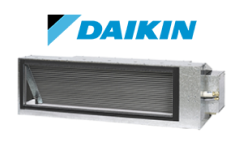
When I first consulted with homeowners about ducted air conditioning installation Sydney projects, the most common question wasn’t about brands or prices—it was about sizing. And honestly, I get it. Installing the wrong size system is like buying shoes that don’t fit: you’ll either be uncomfortable or waste money on something oversized that you don’t need.
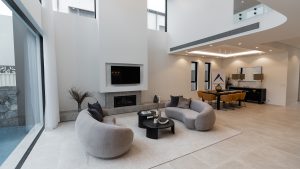
Understanding Ducted Air Conditioning Capacity: It’s More Than Just Bedroom Count
Here’s the thing most people don’t realize: the number of bedrooms is just one piece of the puzzle. When professional ducted air conditioning installation specialists assess your home, they’re looking at a much bigger picture.
Capacity is measured in kilowatts (kW), and for a typical 4-bedroom house in Sydney, you’re generally looking at a system between 12kW and 16kW. But—and this is crucial—that range can shift dramatically based on several factors we’ll explore.
Think of it this way: two 4-bedroom houses on the same street might need completely different systems. One might have cathedral ceilings and massive windows facing west, while the other has standard ceilings and strategic shading. See the difference?
The Critical Factors That Determine Your System Size
1. Total Floor Area (The Foundation of Your Calculation)
The golden rule in the industry? You need approximately 130-150 watts of cooling capacity per square meter. For heating, bump that up to about 150-200 watts per square meter since heating typically requires more power.
Let’s break this down:
- Small 4-bedroom house (150-180m²): 12-14kW system
- Medium 4-bedroom house (180-220m²): 14-16kW system
- Large 4-bedroom house (220-260m²): 16-18kW system
- Very large 4-bedroom house (260m²+): 18-20kW+ system
But wait—before you rush off with these numbers, keep reading. These are just starting points.
2. Ceiling Height: The Overlooked Game-Changer
Standard 2.4-meter ceilings? You’re golden with the calculations above. But if you’ve got those beautiful 3-meter+ ceilings or a double-story void in your living area, you’re heating and cooling significantly more air volume.
I’ve seen homeowners with 2.7-meter ceilings throughout underestimate their needs by 2-3kW. That’s the difference between comfortable summers and constantly adjusting the thermostat.
Pro tip: For every additional 300mm above standard ceiling height, add approximately 10-15% to your capacity requirements.
3. Insulation Quality: Your Secret Weapon (or Weakness)
This is where Sydney ducted air conditioning really shows its efficiency—or lack thereof. Modern homes built to 6-star energy ratings need far less capacity than older homes with minimal insulation.
What affects your insulation performance:
- Ceiling insulation (R-value of R3.5+ is ideal)
- Wall insulation (often missing in pre-2000s homes)
- Floor insulation (particularly important for suspended floors)
- Window quality (single vs. double glazing)
A well-insulated 4-bedroom house might comfortably manage with a 12kW system, while the same size home without insulation could struggle with anything less than 16kW.
4. Window Orientation and Size: Sydney’s Sun Challenge
Living in Sydney means dealing with intense summer sun, especially if you’ve got windows facing west or north. Large glass doors and windows are gorgeous—until you realize they’re turning your home into a greenhouse.
Sun exposure factors:
- West-facing windows: Add 1-2kW for extensive western glass
- North-facing living areas: Factor in additional 0.5-1kW
- Large skylights: These can add significant heat load
- Window coverings: Quality blinds or curtains can reduce requirements by 10-20%
5. Sydney’s Climate: Hot Summers, Mild Winters
Sydney’s climate is classified as temperate, but our summers can be brutal. You’ll experience:
- Summer temperatures regularly hitting 35-40°C
- High humidity levels, especially in coastal suburbs
- Mild winters where heating is less critical than cooling
For Sydney homes, I always recommend prioritizing cooling capacity over heating. The best ducted air conditioning Sydney systems handle both, but cooling is where you’ll get the most use.
6. Room Layout and Zoning Flexibility
Modern ducted air conditioning installation experts will tell you: zoning is everything. With proper zoning, you can divide your home into 2-8 zones, controlling which areas receive airflow.
Typical 4-bedroom house zoning:
- Zone 1: Master bedroom
- Zone 2: Children’s bedrooms
- Zone 3: Living areas
- Zone 4: Kitchen/dining
Why does this matter for sizing? Because you won’t run all zones simultaneously. A 14kW system with smart zoning can effectively cool a house that might otherwise need 18kW—if you were running everything at once.

Real-World Example: Calculating for a Typical Sydney 4-Bedroom Home
Let me walk you through a practical example:
The Property:
- 4-bedroom house in Western Sydney
- Total floor area: 200m²
- Standard 2.4m ceilings throughout
- Moderate insulation (R2.5 in ceiling)
- Large living area with west-facing windows
- Open-plan kitchen/dining/living
The Calculation:
- Base capacity: 200m² × 140W/m² = 28,000W (28kW) if all areas cooled simultaneously
- Insulation adjustment: Moderate insulation = 85% efficiency = 23.8kW
- Zoning reduction: With 3-4 zones, typically 60-70% running = 14.3-16.7kW
- West-facing addition: +1kW for sun exposure = 15.3-17.7kW
- Recommended system: 16kW ducted system (allows comfortable margin)
This is exactly how quality ducted air conditioning services professionals approach sizing—systematically considering every variable.
Common Sizing Mistakes (And How to Avoid Them)
Mistake #1: Going Too Small to Save Money
I’ve seen this too many times. An affordable ducted air conditioning Sydney quote looks tempting because it’s for a 12kW system instead of 16kW. You’ll save maybe $1,500-2,000 upfront—then spend the next decade uncomfortable and with higher running costs as your undersized system runs constantly.
The result?
- System runs non-stop on hot days
- Never reaches target temperature
- Higher electricity bills
- Premature component wear
- Shortened system lifespan
Mistake #2: Massively Oversizing
On the flip side, going from 14kW to 20kW “just to be safe” creates its own problems:
- Higher upfront costs ($3,000-5,000 extra)
- Short cycling (system turns on/off rapidly)
- Poor humidity control
- Inefficient operation
- Uncomfortable temperature swings
The sweet spot? About 10-15% larger than your calculated minimum. This gives you capacity for extreme weather without the oversizing problems.
Mistake #3: Ignoring Future Needs
Are you planning renovations? Adding a sunroom? Installing a pool that means more windows and doors opening?
Professional ducted air conditioning installation specialists will ask about your 5-10 year plans. Adding 2-3kW of capacity now is far cheaper than upgrading the entire system later.
System Recommendations by House Type
Based on thousands of Sydney installations, here are typical specifications:
Standard 4-Bedroom Brick Veneer (180-200m²)
- Recommended capacity: 14-16kW
- Popular models: Daikin 14kW, Actron Classic 16kW, Mitsubishi 15.5kW
- Cost range: $11,000-$16,000 installed
- Running costs: $800-1,200/year
Double-Storey 4-Bedroom (200-240m²)
- Recommended capacity: 16-18kW
- Zoning: Essential (minimum 4 zones)
- Cost range: $14,000-$20,000 installed
- Running costs: $1,000-1,500/year
Modern Energy-Efficient 4-Bedroom (180-220m²)
- Recommended capacity: 12-14kW (smaller due to excellent insulation)
- Smart features: MyAir or similar zone control
- Cost range: $13,000-$18,000 installed
- Running costs: $600-900/year
Older 4-Bedroom with Minimal Insulation (170-200m²)
- Recommended capacity: 16-18kW
- Recommendation: Consider improving insulation first
- Cost range: $12,000-$17,000 installed
- Running costs: $1,200-1,800/year
If you own an older Federation or brick home in Sydney, special considerations apply regarding insulation, ceiling access, and structural limitations that can affect system sizing and installation approaches.
The Professional Assessment Process
When you contact a top rated ducted air conditioning company, here’s what a proper assessment includes:
- Comprehensive site inspection (60-90 minutes)
- Room-by-room measurements
- Window and door audit
- Insulation check (roof cavity inspection)
- Sun exposure analysis
- Electrical capacity verification
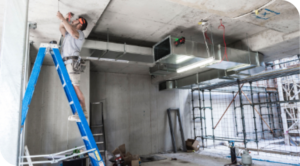
- Roof space assessment for equipment placement
- Detailed written quote with specifications
Red flag warning: If a company quotes you over the phone based only on “4 bedrooms”—run. Proper sizing requires an in-person assessment.
Energy Efficiency Considerations
The size of your system directly impacts running costs. Here’s what you need to know:
Energy ratings matter: Look for systems with:
- Cooling COP (Coefficient of Performance): 3.5 or higher
- Star rating: 5+ stars for cooling
- Inverter technology: Essential for efficiency
A properly sized 14kW inverter system will typically cost $200-300 less per year to run than an oversized 18kW non-inverter system, while providing better comfort.
Questions to Ask Your Installer
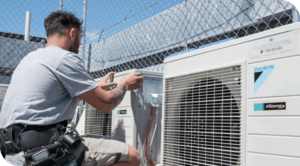
When getting quotes from ducted air conditioning installation experts, ask:
- “How did you calculate the required capacity for my specific home?”
- “What’s included in your heat load calculation?”
- “Can you show me the sizing calculations in writing?”
- “What happens if the system is under or oversized?”
- “Do you offer post-installation performance verification?”
- “What’s the warranty on both parts and labor?”
- “Are you licensed and insured for this work?”
Quality providers will welcome these questions. Dodgy operators will deflect or provide vague answers.
The Investment: What to Expect
For a properly sized ducted air conditioning system in a 4-bedroom Sydney home:
Total investment: $11,000-$20,000 depending on:
- System capacity (12-18kW range)
- Brand selection (economy vs. premium)
- Zoning complexity (2-8 zones)
- Installation difficulty (roof space, electrical upgrades)
- Control systems (basic vs. smart home integration)
Don’t forget ongoing costs:
- Annual servicing: $180-280
- Filter replacements: $60-120/year
- Electricity: $600-1,500/year (varies significantly)
For detailed pricing breakdowns and what’s included in professional installations, check out our comprehensive guide on how much ducted air conditioner costs to install in Sydney.
Making Your Final Decision
Here’s my straightforward advice after years in the Sydney ducted air conditioning industry:
Do this:
- Get 3-4 quotes from reputable companies
- Insist on in-person assessments
- Request detailed capacity calculations
- Check licenses and insurance
- Read recent customer reviews
- Verify warranty terms
Avoid this:
- Phone or online-only quotes
- The cheapest option (usually undersized)
- Companies that can’t explain their calculations
- Pressure sales tactics (“discount expires today!”)
Wrapping Up: Your Next Steps
So, what size ducted air conditioning system do you need for your 4-bedroom house? For most Sydney homes, you’re looking at 14-16kW, but the only way to know for certain is through a professional assessment that considers your specific circumstances.
The right system size isn’t just about immediate comfort—it’s about energy efficiency, longevity, and value for money over the 15-20 year lifespan of your system. Spend the time now to get it right, and you’ll enjoy perfectly conditioned air for decades to come.
Don’t leave this decision to chance. Your family’s comfort during Sydney’s scorching summers (and chilly winter nights) depends on getting the sizing right. Connect with certified professionals who’ll take the time to understand your home’s unique requirements.
Ready to move forward? Contact KYC Air Conditioning, the established ducted air conditioning installation specialists in Sydney who can provide that crucial in-person assessment. Your perfectly sized system is waiting—and trust me, when that first 40-degree day hits, you’ll be grateful you took the time to get it right.