
Why Does My Air Conditioner Show the Wrong Room Temperature and Stop Cooling Too Early?
Your air conditioner may show the wrong room temperature and stop cooling too early because its temperature sensor is faulty, poorly positioned or measuring cooler air than the rest of the room. If you are investigating an air conditioner temperature sensor fault Sydney homeowners encounter, first establish which temperature your system is actually displaying.
Picture this. You come home on a hot Sydney afternoon, switch the air conditioner on and set it to 22°C. A little while later, the cooling slows down. The controller suggests everything is fine, yet the living room still feels uncomfortable.
It is tempting to lower the setting again. But that does not explain why the readings seem wrong.
Sometimes the system is measuring the temperature accurately, just in the wrong place. Other times, a sensor, controller or airflow fault needs attention. Knowing the difference can save you from replacing a perfectly good air conditioner.
If the problem continues, professional air conditioning repairs Sydney can help identify what is causing the early cooling shutdown.
Why Do the Air Conditioner and Room Thermometer Show Different Temperatures?
Your air conditioner does not measure every part of your room. It relies on one or more sensors to decide when cooling is needed.
In many wall-mounted split systems, a sensor measures air entering the indoor unit. Ducted systems may use a return-air sensor, a wall controller or individual room sensors.
Three temperatures that are easy to confuse
22°C
The temperature you selected on the controller.
27°C
The temperature measured in the occupied part of the room.
Illustrative readings only. These are not measurements from an actual customer property.
The number on your remote may be the desired temperature, not a live measurement. Some controllers allow you to switch between the two.
Before assuming your air conditioner thermostat is reading wrong, check what the display means. Your instruction manual should explain this.
What is an indoor thermistor?
A thermistor is a small electronic component that changes its electrical resistance as its temperature changes. The air conditioner uses this information to estimate temperature.
If its readings become inaccurate, the control board may reduce cooling before the room is comfortable. Some faults can also trigger an error code or prevent the system from operating.
Air Conditioner Temperature Sensor Fault Sydney: Seven Possible Causes
1. A faulty indoor temperature sensor
A damaged or deteriorating sensor may report a temperature that is lower than the actual air temperature. The system responds as though cooling demand has been satisfied.
An indoor thermistor fault can also cause erratic readings or unusual cooling behaviour. A technician must compare the sensor’s response with the specifications for that particular model.
2. Cold air is returning directly to the sensor
Furniture, shelves, curtains or an awkward indoor unit position can disturb airflow. Freshly cooled air may travel back towards the air intake instead of spreading through the room.
This creates a small pocket of cooler air. The sensor reaches its target while people elsewhere remain warm.
The sensor itself may be working properly.
3. The wall controller is in the wrong location
A controller in a cool hallway may not reflect the temperature of a sunny bedroom. This can be particularly noticeable in ducted systems with multiple zones.
Direct sunlight, nearby appliances and supply-air vents can also influence readings. Whether cooling stops too early depends on which sensor controls the system.
4. A dirty filter or restricted airflow
A dirty filter reduces the amount of air passing through the indoor unit. This can affect room cooling and, in some cases, cause coil freezing or trigger protective controls.
If the airflow has become weaker over time, check the accessible filter before blaming the thermostat.
5. Incorrect controller settings
Sleep mode, timers, energy-saving modes and automatic operation can change how an air conditioner responds. Some systems adjust the target temperature without the homeowner noticing.
A remote-based temperature sensing feature may also use the temperature around the remote instead of the indoor unit. Check whether your model supports this function.
6. A problem with the wiring or control board
The sensor may be healthy, but its signal may not reach the control board correctly. Loose connections, damaged wiring or electronic faults can cause unusual behaviour.
Internal electrical testing is not a homeowner repair. It should be handled by an appropriately qualified technician.
7. The system is cooling unevenly
An oversized unit, poor air distribution or an unsuitable zoning arrangement can cool the area around a sensor faster than the rest of the property.
If your aircon stops before reaching the temperature you expect, the underlying issue may be airflow or system design rather than a defective sensor.
Interactive Tool: Compare Your Air Conditioner and Room Temperatures
Use this simple comparison to record the difference between your controller’s measured room temperature and a separate thermometer.
Room temperature difference checker
This tool calculates a temperature difference only. It cannot diagnose a sensor fault or determine whether your system meets its manufacturer’s accuracy specification.
For a fair comparison, allow the thermometer to settle and keep it away from direct sunlight, windows and cold supply air. Where possible, compare readings taken close to the active sensor without opening the air conditioner.
A difference between two locations does not automatically mean that either measuring device is defective.
Are Temperature Sensor Problems Different in Split and Ducted Air Conditioning?
Yes. A split system generally serves a smaller area, while ducted air conditioning may need to manage several rooms with different cooling demands.
| Feature | Split system | Ducted system |
|---|---|---|
| Typical sensing location | Indoor unit air intake or supported remote sensor | Return air, wall controller or room sensors |
| Common comfort issue | Cool air near the unit but warmer conditions across the room | Comfortable hallway but warm bedrooms |
| What to investigate | Sensor accuracy, airflow and operating mode | Active sensor selection, zone configuration and airflow |
| Possible solution | Correct airflow or repair the confirmed faulty component | Adjust supported controls, improve air distribution or repair the fault |
A split system temperature sensor problem is often easier to localise because fewer rooms are involved. Ducted systems may require checks across several zones.
Our guide to common ducted air conditioning problems explains other faults that can affect comfort throughout a home.
Why Can This Problem Be Noticeable in Sydney Homes?
Sydney properties vary considerably. A coastal apartment, an older terrace and a two-storey suburban home can have very different cooling needs.
Example: A west-facing apartment in Randwick
Imagine a living room with large windows facing the afternoon sun. The air conditioner senses cool return air while the sofa area remains warm from heat entering through the glass.
Lowering the thermostat might provide temporary relief, but better shading and air circulation could address part of the actual problem.
Example: A two-storey home in the Sutherland Shire
Downstairs reaches the desired temperature, but the upstairs bedrooms still feel hot. If the downstairs controller is the active temperature sensor, cooling may reduce before the upstairs rooms are comfortable.
The technician may need to review zoning, sensor selection and air distribution.
Example: An older terrace in Sydney’s Inner West
A narrow room with an awkward split system position may experience uneven air circulation. Nearby furniture can make the problem more noticeable.
Checking air movement may be more useful than immediately ordering a replacement thermostat.
These are illustrative Sydney property scenarios, not documented customer repair cases or verified testimonials.
What Should You Check Before Booking an Air Conditioner Repair?
There are several safe checks you can carry out without removing electrical covers or touching internal components.
Your interactive troubleshooting checklist
0 of 6 checks completed
Switch the system off if you notice smoke, a burning smell, repeated circuit breaker trips, visible electrical damage or significant water leakage. Arrange professional assistance rather than repeatedly restarting it.
Modern inverter systems often reduce output as they approach the target temperature. This is normal when comfort is maintained. Repeatedly stopping while the room remains too warm deserves investigation.
If your air conditioner keeps turning on and off, note how often it happens and whether the indoor fan continues operating.
How Does a Technician Diagnose an Air Conditioner Temperature Sensor Fault?
A proper diagnosis starts with understanding what the system is trying to do. Replacing a sensor without checking the surrounding conditions may leave the original problem unresolved.
- Confirm the complaint: Record the selected temperature, actual comfort conditions and cooling behaviour.
- Identify the active sensor: Establish whether the system uses an indoor sensor, wall controller or separate room sensor.
- Check temperature accuracy: Compare readings using suitable measuring equipment and model-specific specifications.
- Inspect airflow: Look for restricted filters, blocked air paths or cold air returning directly to the intake.
- Test relevant components: Where needed, check the thermistor, wiring connections and control board.
- Verify operation: After correcting the problem, check whether cooling responds properly to changes in temperature demand.
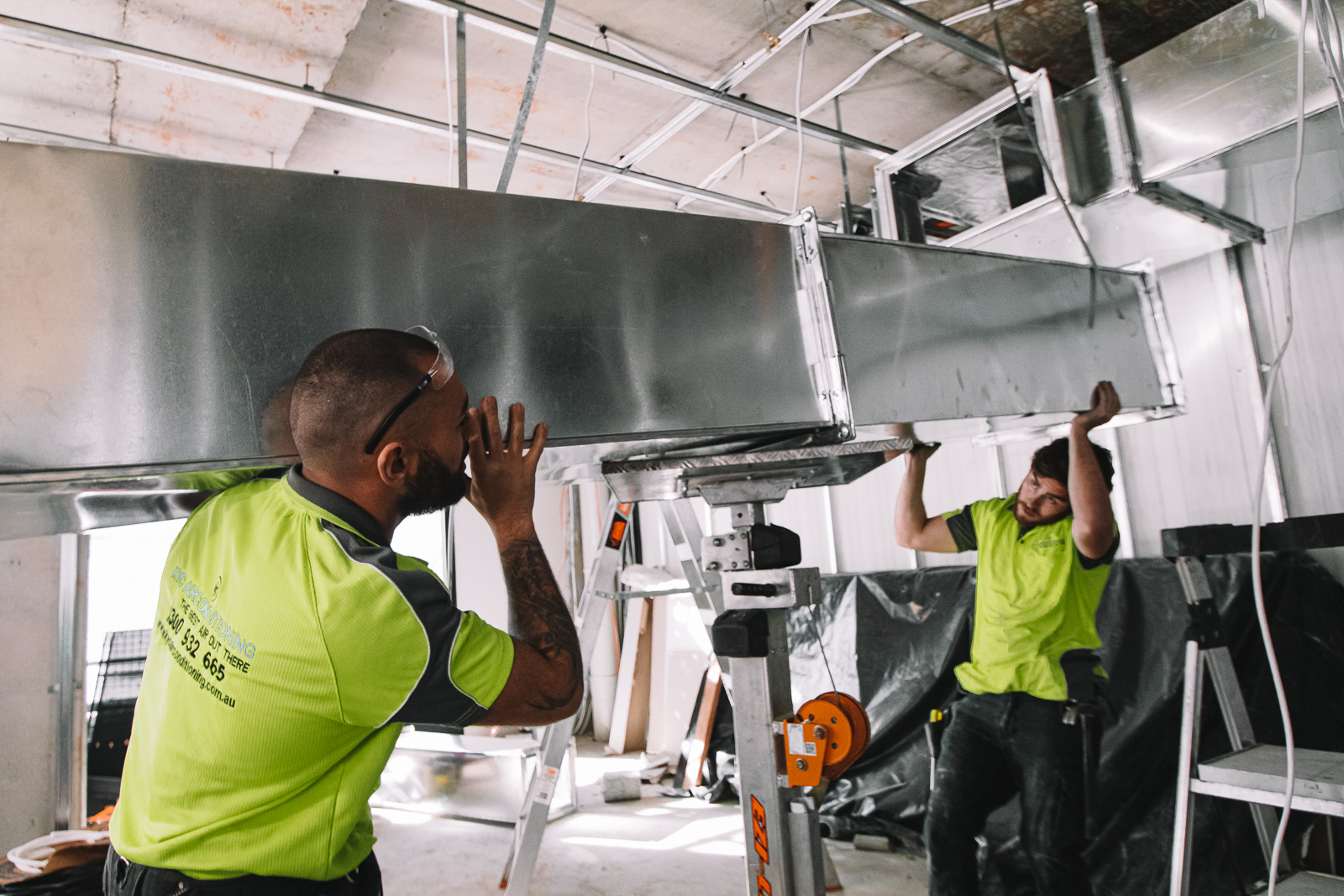
Accurate diagnosis is particularly important when a fault appears only at certain times of the day. A system may behave differently under changing sunlight, outdoor temperatures or room occupancy.
Should You Repair the Temperature Sensor or Replace the Air Conditioner?
A confirmed sensor fault does not normally justify replacing the entire system on its own.
If the air conditioner is otherwise in good condition and a compatible replacement sensor is available, repairing the affected component may be the sensible choice.
When repair makes sense
- The fault is limited to a sensor or connection.
- The system cools well when operating correctly.
- Compatible replacement parts are available.
- There are no other major diagnosed faults.
When replacement may be worth considering
- The equipment has several major faults.
- Important replacement parts are unavailable.
- Breakdowns have become frequent.
- The system is poorly suited to the property.
An aircon thermostat replacement in Sydney should follow a confirmed diagnosis. Some systems have separate wall controllers, while others use integrated sensors and electronic controls.
Replacement components must be compatible with the equipment. A generic thermostat is not suitable for every modern air conditioner.
How Much Does Air Conditioning Sensor Repair Cost in Sydney?
The cost depends on the equipment model, the failed component, access to the indoor unit and the time needed to identify the fault.
Replacing an accessible sensor is different from repairing a damaged control board or investigating a complex ducted zoning problem. A meaningful quote requires knowing what has actually failed.
For specific air conditioning sensor repair costs in Sydney, contact KYC Air Conditioning on 0484 59 59 59.
Provide the system model, any error codes and a description of when cooling stops. This information helps the team understand your enquiry.
How Can KYNEX Air Conditioning & Trades Help?
KYNEX Air Conditioning & Trades provides residential air conditioning service and commercial air conditioning repair services across Sydney. Its published service information describes a process covering initial assessment, diagnostic testing, repairs and final operational checks.
If your aircon controller displays an inaccurate temperature or the system stops cooling too early, the team can investigate the possible causes and advise on the appropriate repair.
According to its published business information, KYNEX has more than 10 years of industry experience and has serviced and installed air conditioning in over 2,000 Sydney homes.
Whether you have a wall-mounted split system or whole-home ducted air conditioning Sydney homeowners can contact the team for an assessment tailored to their equipment and property.
Is your air conditioner stopping before the room feels cool?
Find out whether the issue is a sensor, controller, airflow restriction or another system fault before committing to replacement.
KYNEX Air Conditioning & Trades
Suite 206 Level 2/71 Belmore Rd
Randwick NSW 2031
Phone: 0484 59 59 59
Watch: A Real Sydney Ducted Air Conditioning Project
See a KYNEX installation project and gain a better understanding of how ducted air conditioning fits into a property. Correct equipment placement and air distribution are important parts of achieving consistent indoor comfort.
KYNEX project showcase. This video demonstrates installation work rather than a documented temperature sensor fault diagnosis.
Frequently Asked Questions
Can a faulty temperature sensor make an air conditioner stop cooling too early?
Yes. If the sensor incorrectly reports that the room has reached the target temperature, the system may reduce or stop cooling even though the occupied area remains warm.
Why does my air conditioner say 22°C when the room is warmer?
The display may show your selected temperature rather than the measured room temperature. Alternatively, the active sensor may be located in a cooler part of the property.
Does a dirty filter affect temperature sensor readings?
It can change airflow around the indoor unit and contribute to poor temperature control or protective shutdowns. It does not necessarily mean the sensor itself has become inaccurate.
Can I reset an inaccurate air conditioner thermostat?
Some systems allow a controller reset or temperature correction through supported settings. Follow the instructions for your model. Resetting the controller will not repair a damaged sensor or electrical fault.
Can an air conditioner run with a faulty thermistor?
Some systems continue operating with reduced or incorrect temperature control. Others display an error code or stop operating. The response depends on the model and type of fault.
Does lowering the thermostat make the air conditioner cool faster?
Not necessarily. Cooling speed depends on the system’s available capacity, controls and room conditions. Selecting an unusually low temperature does not resolve a sensor or airflow fault.
Can a temperature sensor fault increase electricity consumption?
Potentially. Incorrect readings may cause unnecessarily long operation or frequent cycling. Actual electricity use depends on the equipment, fault and operating conditions.
Should I continue using an air conditioner that stops cooling too early?
If the system is safe and simply cooling unevenly, begin with basic settings and airflow checks. Persistent shutdowns or signs of electrical damage, freezing or leakage require professional attention.
Final Verdict: Do Not Replace the Thermostat Until You Know What Is Wrong
An air conditioner showing the wrong room temperature is not always suffering from a faulty sensor. The display may be showing the set temperature, the active sensor may be measuring a cooler location, or the system may have an airflow problem.
Start by checking the controls, recording independent temperature readings and observing when cooling slows down.
If the problem persists, contact KYNEX Air Conditioning & Trades on 0484 59 59 59 for professional fault diagnosis and repair advice.
The goal is not simply to make the controller display the right number. It is to restore comfortable, reliable cooling where you actually need it.
Related Air Conditioning Guides
Why Does My Reverse-Cycle Air Conditioner Cool Normally but Refuse to Heat in Winter?
Why Does My Air Conditioner Trip the Safety Switch Only When It Rains in Sydney?