
Sydney Homeowner Troubleshooting Guide |
24 November 2026 |
By KYNEX Air Conditioning & Trades
Why Does My Reverse-Cycle Air Conditioner Cool Normally but Refuse to Heat in Winter?
A reverse-cycle air conditioner can cool normally but fail to heat because of incorrect settings, a stuck reversing valve, a faulty sensor, refrigerant problems or an electronic control fault.
If you are searching for “reverse cycle air conditioner not heating Sydney”, you may not need a new air conditioner.
Picture a cold July morning in Sydney. You reach for the remote, select heating mode and wait for the living room to warm up. Ten minutes later, you are still wearing your jumper. The air conditioner worked perfectly throughout summer, so why has it stopped producing warm air?
The display lights up and the fan may run, yet the room stays cold. Cooling and heating place different demands on a system. Knowing the difference can help you decide whether you need a simple adjustment or professional attention.
The Answer in 30 Seconds
If your air conditioner cools but does not heat, start with these simple checks:
- Confirm that the remote displays HEAT mode or the sun symbol.
- Set the target temperature above the current room temperature.
- Allow the system enough time to warm up.
- Check whether the outdoor unit is defrosting.
- Inspect accessible air filters for dust and debris.
- Record any flashing lights or error codes.
If the air remains cold, a technician should investigate the reversing valve, sensors, refrigeration circuit and electronic controls.
Reverse Cycle Air Conditioner Not Heating Sydney: What Are the Warning Signs?
Your air conditioner may provide several clues about what has gone wrong. Paying attention to when the problem starts and how the unit behaves can help narrow down the possible causes.
| What You Notice | Possible Explanation |
|---|---|
| Cooling works but heating never starts | Reversing valve or control fault |
| Heating briefly pauses then returns | Normal defrost cycle |
| Indoor fan runs but air stays cold | Settings, valve or refrigeration problem |
| Warm air but the room remains cold | Heat loss or insufficient heating capacity |
| Outdoor unit remains covered in ice | Defrost or refrigeration fault |
| Heating stops before reaching the target temperature | Sensor or airflow problem |
| Flashing lights or error codes | System protection or component fault |
| Repeated circuit breaker trips | Possible electrical fault |
These symptoms are clues, not confirmed diagnoses. If the problem continues, professional
air conditioning repairs Sydney can help establish the cause before unnecessary parts are replaced.
How Does Reverse-Cycle Air Conditioning Produce Heat?
A reverse-cycle air conditioner moves heat rather than relying solely on electrical resistance to create it. In summer, it collects heat indoors and releases it outdoors. In winter, it reverses the process, collecting heat from outdoor air and releasing it inside.
A reversing valve makes this change possible. Other key parts include the compressor, indoor and outdoor heat exchangers, fans, refrigerant, sensors and electronic controls.
A fault affecting the change between operating modes can leave cooling working while heating fails.
Outdoor Unit
Warm Room
Heat Absorption
Heat Moves Inside
Simplified illustration of reverse-cycle heating. This is an educational diagram, not a wiring or refrigerant circuit diagram.
8 Reasons Your Air Conditioner Cools but Will Not Heat
1. The Air Conditioner Is in the Wrong Operating Mode
Sometimes the problem is much simpler than expected. A remote can be left in COOL, DRY or FAN mode without anyone noticing. AUTO mode may also operate differently from what you expect.
Select HEAT and set a temperature above the current room temperature. Check the batteries and whether the indoor unit acknowledges the command.
Confirm that your particular air conditioner supports reverse-cycle heating rather than cooling only.
Understanding Your Air Conditioner Remote
HEAT
Winter
COOL
Summer
DRY
Humidity
FAN
Airflow
Illustrated control reference. Symbols and controls vary by model. This is not an actual remote screenshot.
2. The Reversing Valve Is Stuck or Faulty
A reverse cycle reversing valve fault is particularly relevant when strong cooling remains available but heating fails.
The valve changes refrigerant flow between heating and cooling modes. If it sticks, or its electrical coil or control circuit fails, the system may not change modes correctly.
Possible signs include persistent cold air in HEAT mode, an outdoor unit that operates without useful indoor heating, or a fault appearing immediately after seasonal mode changes.
A technician must distinguish a mechanical valve problem from an electrical control fault before recommending replacement.
3. The Air Conditioner Is Running a Defrost Cycle
Frost can form on the outdoor heat exchanger during cold, damp weather. The unit periodically removes this frost by entering a defrost cycle.
During this process, indoor heating may pause, the fan may stop and water vapour may appear around the outdoor unit.
This can be particularly noticeable during damp winter mornings in Sydney. A short interruption followed by normal heating is not usually a concern.
Persistent ice or heating that never returns requires attention. Never chip ice away from the outdoor unit or pour hot water over electrical equipment.
4. Incorrect Refrigerant Levels
Refrigerant transfers heat through the air conditioning system. An incorrect refrigerant charge or leak may reduce heating performance, even if the unit appears to cool adequately under lighter loads.
Weak heating, long running times and abnormal icing are possible clues, but they do not prove that a refrigerant leak exists.
A sealed air conditioning system should not require routine refrigerant top-ups. If refrigerant has escaped, the cause should be investigated rather than simply adding more.
Refrigeration testing and repairs must be left to appropriately licensed professionals.
5. A Temperature Sensor Is Giving Incorrect Readings
Imagine sitting in a cold living room while your air conditioner incorrectly detects that its target temperature has already been reached.
The heating may stop early or fail to start. Outdoor coil sensors can also affect defrost operation.
A sensor fault can make an otherwise functional system behave unpredictably. Proper testing must follow the specifications for the particular air conditioner rather than relying on guesswork.
6. Dirty Filters Are Restricting Airflow
Dust, pet hair and everyday debris collect inside air conditioning filters. Restricted airflow reduces heat distribution and may trigger protection controls.
If your split system heating is not working effectively, switch the unit off and clean accessible filters according to the manufacturer’s instructions.
Never operate the system without its filters.
A regular air conditioning maintenance service can help identify airflow restrictions, dirty heat exchangers and developing performance problems.
7. The Outdoor Fan or Electronic Controls Are Failing
The outdoor unit matters just as much in winter as it does in summer. A faulty fan motor, control board, wiring connection or communication fault can interrupt heating.
An outdoor fan that briefly pauses during defrost may be operating normally. However, persistent failure while the heating is not working deserves further investigation.
Do not open electrical covers or attempt to repair electronic circuit boards yourself.
8. Your Sydney Home Is Losing Heat Too Quickly
Sometimes the outlet air is warm, but the room remains cold. Older terraces, poor insulation, large windows and draughts can increase winter heat loss.
This differs from an air conditioner that continuously blows cold air. If warm air is being produced, assess heating capacity and air distribution before assuming a component has failed.
Our guide to reverse cycle air conditioning Sydney explains the different system options available to homeowners.
Interactive: Why Is Your Reverse-Cycle Air Conditioner Not Heating?
Select the symptom that best describes your air conditioner to find a sensible next step.
Suggested Next Step
Confirm HEAT mode and allow the normal warm-up period. Persistent cold air requires professional testing of the reversing valve, sensors and heating controls.
Is It a Normal Defrost Cycle or a Heating Fault?
Knowing the difference between normal defrost operation and an actual air conditioning heating mode fault could save you an unnecessary repair appointment.
| Normal Defrost Cycle | Possible Heating Fault |
|---|---|
| Heating pauses temporarily | Heating never returns |
| Frost melts from the outdoor coil | Thick ice remains |
| Occasional water or steam | Persistent abnormal icing |
| System resumes heating automatically | System repeatedly shuts down |
| Indoor fan briefly pauses | Indoor airflow remains cold |
The exact defrost duration depends on the model and outdoor conditions. The most useful observation is whether your air conditioner returns to effective heating afterwards.
What Can You Safely Check Before Calling a Technician?
You do not need specialist equipment to perform these basic split system reverse cycle troubleshooting checks.
Winter Heating Troubleshooting Checklist
Checklist Progress
0/8
Complete the checks that you can safely perform.
Avoid repeatedly switching between cooling and heating. Compressors and electronic controls may require time between operating mode changes.
Safety reminder: If you notice smoke, burning smells, electrical damage or repeated circuit breaker trips, stop using the system and seek professional assistance.
Why Do Sydney Homes Experience Air Conditioner Winter Heating Problems?
Sydney’s housing styles and local weather conditions can influence heating performance.
The following illustrative scenarios show how similar complaints can have different causes. They are hypothetical examples, not verified customer jobs or testimonials.
Randwick Apartment: Cooling Works but Heating Remains Cold
An apartment resident selects heating during a cold evening. The indoor fan runs, but the air stays cold.
After confirming the settings and allowing the normal warm-up period, a technician would investigate the reversing valve and heating controls. Outdoor equipment access and strata arrangements may influence how repairs are performed.
Sutherland Shire Home: Heating Keeps Stopping
A family notices that their air conditioner pauses on damp winter mornings. Water collects beneath the outdoor unit before heating resumes.
This could be normal defrost operation. Persistent ice or a failure to resume heating would suggest that further investigation is required.
Inner West Terrace: Warm Air but a Cold Living Room
Warm air comes from the unit, but the living room remains uncomfortable. High ceilings, draughty doors and limited insulation may increase heat loss.
Checking heating capacity and airflow distribution may be more useful than immediately replacing components.
Western Sydney Townhouse: Heating Fails in Several Rooms
A ducted air conditioning system heats some bedrooms but leaves others cold.
Zone controls, duct leakage or airflow imbalance could be involved rather than a complete heat-pump failure.
These examples show why accurate diagnosis is more valuable than assuming every winter heating problem has the same cause.
How Do Technicians Diagnose a Heating-Mode Fault?
Professional reverse cycle aircon repair involves more than checking the remote control and indoor fan.
A proper assessment considers how the different components work together during heating operation.
| Diagnostic Check | What It Helps Establish |
|---|---|
| Controller commands | Whether heating has been requested correctly |
| Temperature sensors | Whether temperature readings are accurate |
| Reversing valve operation | Whether the refrigerant circuit changes modes |
| Refrigeration measurements | Whether the refrigeration circuit operates within expected conditions |
| Indoor and outdoor airflow | Whether heat transfer is restricted |
| Electrical controls | Whether components receive the correct commands |
| Final heating performance test | Whether useful heating has been restored |
There is no universal outlet temperature that proves every air conditioner is working correctly. Model specifications, indoor temperature, outdoor conditions and fan speed all matter.
A complete diagnosis may avoid replacing a costly component when the actual fault is a sensor, wiring connection or control signal.
Should You Repair or Replace a Reverse-Cycle Air Conditioner?
A heating fault does not automatically mean that the entire system needs replacing.
When Repairing Makes Sense
- The equipment is otherwise in good condition.
- Compatible replacement parts are available.
- The problem involves a serviceable component.
- The system has been reasonably reliable.
- The proposed repair is practical for the property’s installation conditions.
When Replacement Deserves Consideration
- The system has several major faults.
- Compatible spare parts are no longer available.
- Corrosion or deterioration is extensive.
- Breakdowns have become frequent.
- The existing system cannot adequately heat the property.
When selecting replacement equipment, compare heating capacity, seasonal energy efficiency, sound levels, filter access and warranty terms.
Apartment owners may also need approvals for changes to outdoor equipment or mounting arrangements.
Read our guide to apartment air conditioning installation in Sydney before planning a replacement.
How Much Does Reverse Cycle Air Conditioning Repair Cost in Sydney?
The cost of repairing an air conditioner that cools but does not heat depends on the actual cause of the failure.
Cleaning an airflow restriction involves different work from diagnosing an electronic control fault or replacing a reversing valve.
Other factors that influence the repair include:
- Age and condition of the equipment.
- Availability of compatible replacement parts.
- Accessibility of the outdoor unit.
- Electrical or refrigeration work required.
- Applicable manufacturer warranty conditions.
Rather than relying on a generic price, request an assessment that identifies the fault and explains the proposed repair.
For a specific cost, contact KYC Air Conditioning on 0484 59 59 59.
How Can KYNEX Air Conditioning & Trades Help Restore Your Heating?
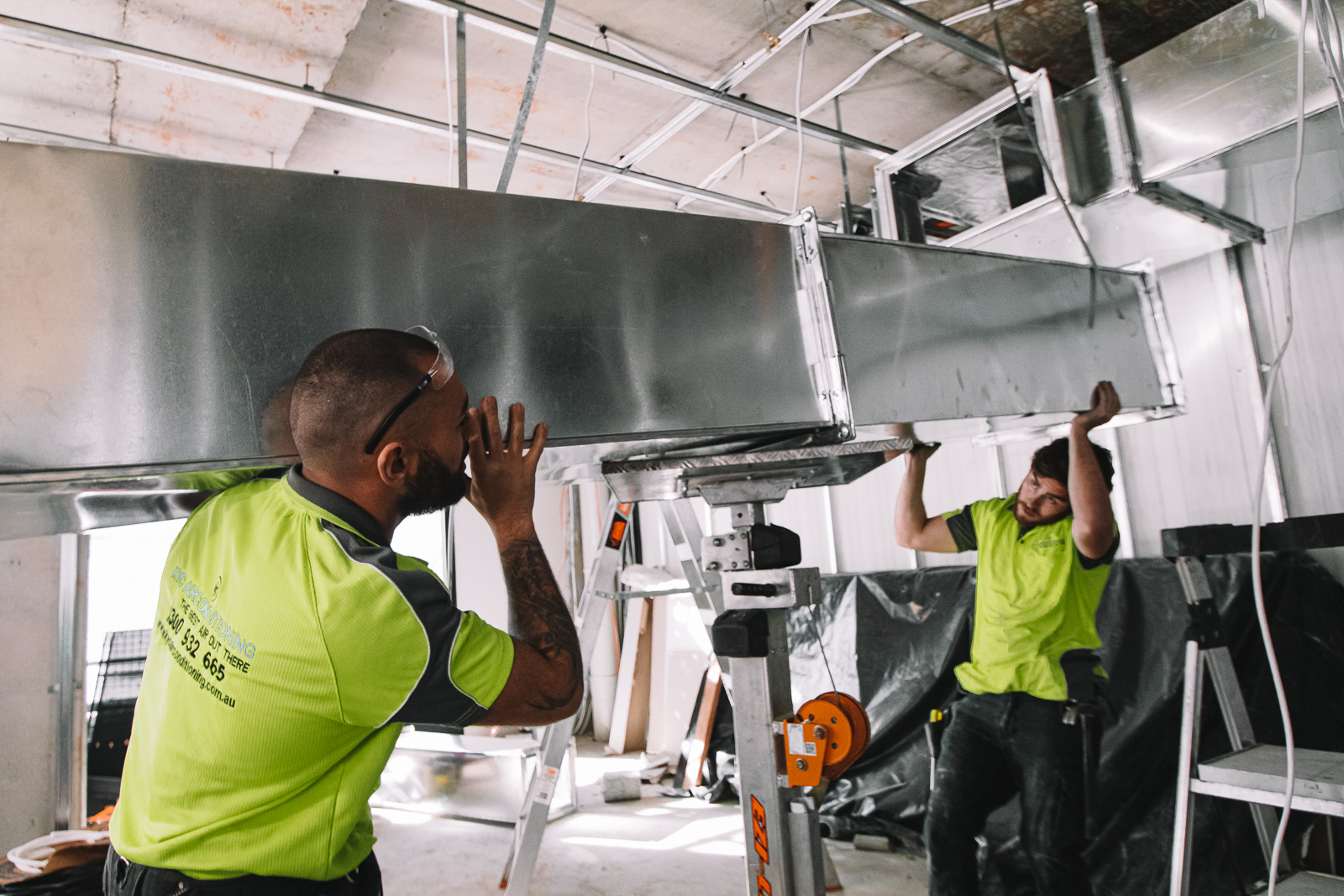
When your air conditioner cools properly but refuses to heat, identifying the cause should be the first priority.
KYNEX Air Conditioning & Trades offers residential and commercial air conditioning repair and maintenance services across Sydney.
Its published service process includes initial assessment, diagnostic testing, repair recommendations and final performance testing.
How KYNEX Approaches Heating Problems
- Initial assessment:
Understanding the heating problem and how the system behaves in cooling mode. - Diagnostic testing:
Investigating relevant controls, sensors, airflow and refrigeration components. - Repair recommendations:
Explaining the identified fault and suitable repair options. - Final testing:
Checking system operation after the agreed repairs have been completed.
When booking an inspection, explain that your system operates normally in cooling mode but fails in heating mode. Have the model number, error codes and details of any defrost interruptions available.
This information can help narrow the areas that need investigation.
Watch: Sydney Air Conditioning Project Showcase
The following video provides a look at a ducted air conditioning installation project in Sydney.
This video showcases an installation project and is not a reversing valve repair tutorial.
Get Your Winter Heating Working Again
Is your reverse-cycle air conditioner blowing cold air instead of heating your home? Arrange a professional heating fault assessment before deciding whether to repair or replace the system.
KYNEX Air Conditioning & Trades
Suite 206 Level 2/71 Belmore Rd,
Randwick NSW 2031, Australia
Phone: 0484 59 59 59
Request a property-specific assessment and repair quote.
Business service information:
Air conditioning repair expertise and service process.
Frequently Asked Questions
Can a reverse-cycle air conditioner cool but not heat?
Yes. A reversing valve, sensor or heating control fault may affect one operating mode while leaving cooling functional. Correct settings and normal defrost operation should be checked before assuming a component has failed.
Why does my split system blow cold air in heating mode?
It may be warming up, defrosting or experiencing a heating-mode fault. If the air remains cold beyond the normal start-up period, arrange a professional assessment.
Does working cooling mean the refrigerant levels are correct?
No. An air conditioner may still provide some cooling despite an incorrect refrigerant charge. Professional measurements are needed to establish the condition of the refrigeration circuit.
Is steam coming from the outdoor unit normal in winter?
Water vapour during defrost may be normal. Smoke, burning smells and persistent abnormal icing are different warning signs that require attention.
Can dirty filters stop an air conditioner from heating?
Severe airflow restrictions may reduce heat output and trigger protection controls. However, dirty filters do not necessarily explain a complete heating-only failure.
Can I repair a reverse-cycle reversing valve myself?
No. Reversing valve diagnosis and replacement may involve electrical work and refrigerant handling that require appropriately qualified professionals.
Why does my air conditioner heat for a few minutes and then stop?
The target temperature may have been reached, defrost may have started or a sensor or protection fault may be present. Whether effective heating returns afterwards is an important observation.
Do I need a new air conditioner if heating stops working?
Not necessarily. Have the fault diagnosed and compare the repair options before deciding whether replacement is appropriate.
Why does my aircon work in summer but not winter?
Heating requires the refrigeration circuit to operate in the opposite direction from cooling. Problems with the reversing valve, defrost controls or temperature sensors may prevent winter heating even when summer cooling works.
Who can fix reverse-cycle air conditioning heating problems in Sydney?
KYNEX Air Conditioning & Trades provides air conditioning repair and maintenance services across Sydney. Contact KYC Air Conditioning on 0484 59 59 59 to discuss your heating problem and arrange an assessment.
Final Verdict: Do Not Replace Your Air Conditioner Before Diagnosing the Heating Fault
When your reverse-cycle air conditioner cools normally but refuses to heat in winter, the problem may be related specifically to heating-mode operation.
Start with the simple checks. Confirm the heating settings, inspect accessible filters and allow the system to complete its normal warm-up or defrost cycle.
If effective heating does not return, arrange a professional assessment.
A reversing valve fault is one possibility, but sensors, electronic controls, refrigerant conditions and airflow also need consideration.
There is little benefit in replacing an entire system before understanding what has actually failed.
For reverse cycle air conditioning repair Sydney homeowners can discuss directly with a local service provider, contact KYC Air Conditioning on 0484 59 59 59 for a property-specific assessment.
Related Air Conditioning Blog Posts
Why Does My Split System Indoor Fan Stop Spinning While the Air Conditioner Is Still Switched On?
Why Does My Air Conditioner Show the Wrong Room Temperature and Stop Cooling Too Early?