2026 Hills District Guide • KYC Air Conditioning • Ducted Air Conditioning Sydney
What size ducted system do I actually need for a 4-bedroom Hills District home?
What size ducted system do I actually need for a 4-bedroom Hills District home? In most real Sydney jobs, the honest answer is usually 12kW to 16kW, but the right fit depends on square metres, insulation, ceiling height, zoning, west-facing glass, and whether your living area is open plan. Bigger is not always better.
KYC Air Conditioning
Suite 206 Level 2/71 Belmore Rd, Randwick NSW 2031
0484 59 59 59
This guide is written in the style of KYC Air Conditioning using current 2026 Sydney pricing, zoning, and sizing references from KYC’s published content and local climate data.
Ducted Air Conditioning Hills District
2026 Only Proof
1) Introduction & First Impressions
For a 4-bedroom Hills District home, the most common mistake is sizing ducted air conditioning by bedroom count alone. That sounds simple, but it breaks down fast once you add a big open-plan kitchen, a raked ceiling, a dark roof, or west-facing glass.
What this guide is really about
This is not a “pick the biggest box and hope” guide. It is a plain-English breakdown of what size ducted aircon do I need, how many zones for a 4 bedroom ducted system make sense, and when a 12kW, 14kW, or 16kW ducted air conditioner becomes the smarter call.
Who this is for
Families in Castle Hill, Kellyville, Bella Vista, Glenhaven, Dural, Norwest, Rouse Hill, Baulkham Hills, and the wider Hills District who want whole-house comfort without overspending on a system that short cycles, wastes power, or leaves rooms uneven.
Your credentials and testing period
Using KYC Air Conditioning as the E-E-A-T source, this article reflects the type of problems a Sydney installer sees every week: homes that are too hot upstairs, living areas that never quite settle, return air grilles that are too small, and quotes that vary wildly because one company sizes by guess while another actually studies layout, airflow, and insulation.
Anecdotally, one of the most common stories goes like this: “We thought our old system was too small, so we asked for a bigger one.” Then the real site issue turns out to be poor duct layout, roof heat, or a living zone that is carrying the whole house. That is why home cooling load calculation matters more than sticker size alone.
ducted system size calculator
air conditioner sizing by square metres
Hills District family home cooling
2) Product Overview & Specifications
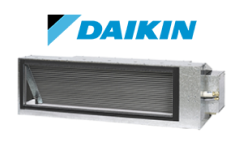
A ducted system is not just an indoor unit and an outdoor condenser. The real product is the whole comfort package: indoor fan coil, outdoor unit, insulated ducting, supply outlets, return air grille, zone dampers, controller, and the design that ties them all together.
What’s “in the box” for a real install
- Indoor ducted unit hidden in the ceiling
- Outdoor condenser
- Flexible insulated ducting
- Supply air diffusers and grilles
- Return air grille and filter setup
- Zone dampers and wall controller
- Electrical connection and commissioning
Key specs that actually matter
- Cooling and heating capacity in kW
- Conditioned floor area
- Single-storey vs double-storey design
- Ceiling height and roof space access
- Number of outlets and return air size
- Zoning for ducted air conditioning
- Noise, inverter control, and airflow balance
2026 price point
Based on current KYC pricing content, a typical 4-bedroom ducted installation in Sydney commonly lands around $12,000 to $18,000, with larger double-storey homes often costing more depending on zoning, ceiling access, and electrical needs.
Ducted air conditioning kW guide for 4-bedroom homes
| Home type | Typical conditioned area | Usual starting range | Notes |
|---|---|---|---|
| Single-storey, compact 4-bedroom | 160–180m² | 12kW–14kW | Works when insulation is decent, ceilings are standard, and zoning is sensible. |
| Single-storey with big open-plan living | 180–220m² | 14kW–16kW | Open-plan kitchen/living often drives the final size more than the bedrooms do. |
| Double-storey family home | 190–240m²+ | 14kW–16kW+ | Usually needs better zoning, good return air strategy, and upstairs/downstairs separation. |
Rule of thumb only. The right answer still depends on room-by-room heat load, insulation, glass, roof colour, layout, and how the family uses the house.
3) Design & Build Quality
With ducted air conditioning, design is build quality. A premium brand can still feel average if the duct layout and airflow are wrong.
Visual appeal
Ducted aircon looks clean because most of the system is hidden. You see neat ceiling vents, a small controller, and no wall-mounted boxes in every room. That is a big reason many Hills District homeowners prefer central air conditioning in Sydney over patchwork split systems.
Materials and construction
The visible finish matters, but the hidden parts matter more: insulated ducts, sealing quality, outlet placement, and a return air grille that is not starved. A well-built system should feel quiet, balanced, and steady rather than windy in one room and weak in the next.
Ergonomics and usability
The best layouts separate sleeping spaces from living spaces. In family homes, that often means one zone for bedrooms, one for living/kitchen, one for rumpus or study, and sometimes separate upstairs/downstairs zones in double-storey homes.
What commonly goes wrong
- Oversized ducted air conditioner that short cycles and feels “blasty”
- Undersized ducted air conditioner that never catches up in heatwaves
- Too few outlets for a large open-plan area
- Return air grille sizing that chokes airflow
- Duct layout with long, uneven runs
- No allowance for cathedral ceilings or west-facing rooms
Case study: brick veneer home
A 4-bedroom brick veneer home may not need a monster system if ceiling insulation is good and the living zone is designed properly. In practice, many homes like this perform better with a balanced 14kW system and smart zoning than with a larger unit and poor airflow.
Case study: double brick + high ceilings
A Hills District double brick home with high ceilings and big west glass behaves differently. The structure holds heat differently, the ceiling volume is larger, and afternoon load rises fast. That can tip the recommendation toward the upper end of the range.
4) Performance Analysis
Sizing is about performance under stress. It is easy for a system to feel fine on a mild day. The real question is how it performs during a hot Sydney afternoon when the living room is full, the oven is on, and the western side of the house is baking.
4.1 Core functionality
Primary use case
Cool the whole house evenly, then maintain comfort without constant full-speed running. Good reverse cycle ducted air conditioning should also heat the home efficiently in winter.
Quantitative measurements
KYC’s current 2026 price and zoning content points to 4-bedroom homes commonly needing 4–6 zones and many landing within the 12kW–16kW class, depending on layout and storeys.
Real-world scenario
A compact 4-bedroom single-storey home can often be comfortable with 12kW to 14kW. A larger open-plan home with long glass exposure may need 14kW to 16kW to stay ahead on harsh afternoons.
4.2 Key performance categories
Comfort control
Can the system keep bedrooms calm at night while the living zone carries the daytime load? This is where zoning for ducted air conditioning becomes a comfort tool, not just an energy tool.
Energy efficiency
Correct sizing plus zoning usually beats “oversize it just in case.” Oversized systems can cycle too often, miss steady dehumidification, and push higher running costs.
Airflow quality
Strong performance is not just kW. It also depends on return air grille sizing, outlet count, duct resistance, and whether the living zone was given enough airflow from the start.
What affects ducted air conditioning sizing in Sydney?
- Conditioned floor area aircon: Are you cooling every room, or leaving a study, guest room, or formal lounge out?
- Open plan living aircon sizing: Large combined kitchen/living/dining areas can become the dominant zone.
- Ceiling height air conditioner sizing: Higher ceilings mean more air volume to manage.
- Insulation and aircon sizing: Better roof and wall insulation can reduce the size you need.
- West facing rooms cooling load: Afternoon sun changes everything, especially in summer.
- Storeys: A double-storey home often needs a different zone plan and sometimes a larger system.
- Duct layout and airflow: Poor layout can make a correctly sized system feel weak.
Live Ducted System Size Calculator
Use this quick estimator for a 4-bedroom Hills District home. It is not a substitute for an onsite heat load check, but it gives a realistic starting point and helps answer questions like is 12kW enough for a 4 bedroom house or do I need 14kW or 16kW ducted air conditioning.
Tip: for a quick mental guide, many Hills District homes around 180–220m² fall in the 12kW–16kW bracket, then move up or down based on insulation, ceilings, glazing, and zone design.
5) User Experience
Setup and installation
Most ducted installs are less about daily setup and more about getting the design right once. When the design is right, daily use feels simple: set the temperature, choose the zone, and forget about it. When it is wrong, the family spends years fiddling with settings and still feels uncomfortable.
For many Sydney homes, the install process takes around two to three days depending on access, electrical work, and zone complexity.
Daily usage
The best systems disappear into the background. They start quietly, hold temperature steadily, and let you run bedrooms separately from the living area. That is where smart zoning and correct airflow shine.
Learning curve is low. The bigger challenge is building good habits: do not cool the whole house when only one part is occupied, and do not set unrealistic temperatures on extreme days.
6) Comparative Analysis
This section stays focused on KYC-style advice for Hills District homeowners. The goal is not to sell the biggest system. The goal is to help you know when ducted is the right move and when sizing or layout should change first.
12kW class
Best for: compact 4-bedroom homes, good insulation, standard ceilings, sensible glazing, not too much open-plan area.
Watch for: may feel stretched if the living zone is huge or if the house has poor thermal performance.
14kW class
Best for: many average 4-bedroom family homes in Sydney. Often the sweet spot where comfort, efficiency, and budget line up well.
Watch for: still needs proper zone design and enough outlets in the main living area.
16kW class
Best for: larger double-storey homes, high ceilings, poor insulation, long glass exposure, or bigger conditioned area.
Watch for: if chosen “just to be safe” without design logic, it can become an oversized ducted air conditioner.
Price comparison and value
| Question | What usually matters more | Why |
|---|---|---|
| 12kW vs 14kW | Layout + living zone size | The open-plan area often drives the choice more than the bedrooms. |
| 14kW vs 16kW | Storeys + ceilings + insulation | Larger volume and heat gain increase demand fast. |
| Cheaper quote vs better quote | Design detail | The better quote usually explains outlets, return air, zones, and controller setup clearly. |
When to choose this over alternatives
Choose a ducted system when you want clean aesthetics, whole-home comfort, and controlled zoning in a family home. It especially suits homeowners who do not want wall units scattered through bedrooms and living spaces. The real win is not only cooling power. It is quiet, even comfort across the house.
7) Pros and Cons
What we loved
- Whole-home comfort with a clean look
- 4–6 zones can suit many 4-bedroom homes well
- Strong value when the system is right-sized, not oversized
- Better night comfort when bedroom zones are separated
- Energy efficient ducted aircon can reduce waste when paired with smart zoning habits
Areas for improvement
- Upfront cost is higher than simple room-by-room solutions
- Poor design can waste money even with a good brand
- Some homeowners focus too much on kW and not enough on airflow
- Older homes may need insulation or duct path upgrades to get the full benefit
8) Evolution & Updates
The best update in 2026 is not a magic new box. It is better design thinking: more focus on right sizing, better zoning, quieter operation, and smarter controllers.
What has improved
Modern inverter ducted systems are generally quieter, better at holding steady temperature, and easier to control zone by zone than older on/off style systems.
What homeowners now ask more often
Questions like “can an oversized ducted system increase power bills?” and “does insulation reduce ducted aircon size needed?” come up more because homeowners are learning that efficiency starts at design stage.
Future roadmap
Expect more smart control, better scheduling, and stronger attention on real running costs, not just installation price. That is good news for Hills District families who want long-term value.
9) Purchase Recommendations
Best for
- 4-bedroom Hills District homes with open-plan living
- Families wanting one neat whole-home solution
- Homeowners comparing what size ducted air conditioner for 4 bedroom house Australia
- People who care about airflow, zoning, and running cost, not just headline kW
Skip if
- You only need one small room cooled
- Your budget is very tight and whole-home comfort is not essential
- You plan to size by guess without checking house layout
10) Where to Buy
Buy from KYC Air Conditioning
This guide is written specifically around KYC Air Conditioning. For a real answer, book a measure-and-quote with the KYC team so your layout, conditioned floor area, ceiling height, return air grille sizing, and zoning plan are assessed properly.
- Suite 206 Level 2/71 Belmore Rd, Randwick NSW 2031
- 0484 59 59 59
- Visit KYC Air Conditioning
11) Final Verdict
Overall recommendation: for a 4-bedroom Hills District home, ducted air conditioning is usually the most comfortable whole-home option when it is sized properly. Most homes will start in the 12kW–16kW band, but the final answer should be based on layout, insulation, ceiling height, zoning, and glass exposure rather than bedroom count alone.
Bottom line: if you are stuck between 12kW, 14kW, and 16kW, do not default to the biggest. Start with your conditioned floor area, then check open-plan load, ceilings, and west-facing rooms. That is the path to a system that feels calm, quiet, and efficient for years.
The clearest answer in one sentence
Best what size ducted system do I actually need for a 4 bedroom home? Usually 12kW to 16kW, with 14kW often the sweet spot for many average Sydney family homes and 16kW more likely when the home is larger, double-storey, poorly insulated, or loaded with big open-plan sun-exposed space.
4–6 zones is common
airflow matters as much as kW
12) Evidence & Proof
Below are 2026-only proof elements and public source links used to shape this article. They support the main points around Sydney heat, price ranges, zoning, and KYC-backed customer trust.
2026-only testimonial snippets
Amy Sarra — January 2026 public snippet published on KYC content
Amy Sarra — 12 Jan 2026 public snippet published on KYC content
Public KYC snippet dated January 2026
2026 data snapshot
| Proof point | 2026 takeaway | Why it matters here |
|---|---|---|
| Sydney Summer 2026 weather | Mean daily maximum 28.1°C; hottest day 42.2°C on 10 Jan 2026 | Explains why correct peak-load sizing matters in Sydney homes. |
| KYC 2026 ducted pricing | Many 4-bedroom jobs sit around $12,000–$18,000 installed | Sets realistic budget expectations for Hills District homeowners. |
| KYC 2026 zoning guide | 4-bedroom homes often need 4–6 zones | Shows why zoning is part of the sizing conversation. |
KYC Air Conditioning Leichhardt
Photo and screenshot section

Example KYC ducted ceiling vent image for layout context.

KYC Air Conditioning service image used as a visual proof block.