What size air conditioner do I need for my Sydney home?
If you’ve typed “what size air conditioner do I need Sydney”, here’s the straight answer:
you want the smallest system that can comfortably handle your home’s peak load (Sydney heatwave afternoons),
without running flat-out all day.
That’s “right sizing” — and it’s the difference between quiet comfort and noisy, expensive regret.
kW air conditioner for room size m²
right sizing vs over sizing
ducted air conditioning sizing Sydney home
split system installation Sydney
1) First Impressions (the “one-minute verdict”)
In Sydney, most sizing mistakes happen for two reasons:
(1) people use only floor area and ignore sun + insulation,
or (2) they oversize “just to be safe”.
heat load calculation (also called a residential HVAC load calculation).
If your home has west-facing glass, high ceilings, weak insulation, or open-plan living,
sizing “by m² only” will miss the mark.
Quick story from a 2026 Sydney quote: a family wanted a bigger unit because their last one “never felt icy”.
The real issue wasn’t size — it was airflow (supply/return layout) and
a leaky, poorly insulated roof space. Once that was fixed, the correctly sized system felt stronger,
ran quieter, and stopped chewing power.
Your guide (and who we are)
This article is written using practical field habits from KYC Air Conditioning:
real Sydney homes, real constraints (strata, noise, roof access), and real outcomes.
We size, install, and provide air conditioning service Sydney-wide — and we also handle
air conditioner repairs Sydney and ducted air conditioning repairs & service, which means we see what fails when sizing is wrong.
2) Product Overview & Specifications (what “size” really means)
“Size” in air conditioning Sydney is mainly about cooling capacity and (for winter comfort) heating capacity.
In Australia, capacity is usually stated in kW. Some people still talk in BTU — so here’s the simple conversion:
- 1 kW ≈ 3,412 BTU/h
- 2.5 kW ≈ 8,530 BTU/h (common bedroom / small lounge size)
- 5.0 kW ≈ 17,060 BTU/h (bigger lounge / open area)
- Indoor unit + outdoor unit (split) or indoor fan coil (ducted)
- Controller/remote + sensors (varies by system)
- Refrigerant pipework, drains, electrical isolation
- If ducted: ducts, zones, grilles, return air grille sizing, insulation and sealing
Interactive: Air Conditioner Size Calculator (Sydney, 2026)
This is a practical estimator for kW air conditioner for room size m². It’s not a substitute for a full heat load calculation Sydney,
but it’ll get you close enough to avoid the big mistakes (over sizing or under sizing).
you don’t simply add up every room. Zoning, door habits, and duct design/airflow (CFM / L/s) change everything.
Use this calculator per zone, then plan the zones you’ll actually run.
Show the simple sizing logic (plain English)
We start with a base load per m², then adjust for ceiling height, sun, insulation, layout, people,
and “extra heat” sources. This mirrors what installers see in Sydney:
west-facing glass + poor ceiling insulation can add more load than people expect.
3) Design & Build Quality (what “good sizing” looks like in real homes)
Good sizing is not just a number. It’s a full setup:
capacity + airflow + placement + control. In Sydney, we see comfort fail most often when:
return air is too small, ducts leak, or the outdoor unit can’t breathe (poor clearance and airflow).
- Keep indoor airflow clear (don’t blast straight at the couch or bed).
- For open plan living air con size, position so air can “wash” the space evenly.
- Outdoor unit clearance and airflow: give it room, avoid tight courtyards that trap hot exhaust.
Case example: a Sydney apartment with one hot, glassy corner kept “winning” the heat battle.
The fix wasn’t a bigger unit — it was better placement + shading + correct airflow direction.
- Undersized return air grille sizing can make the system noisy and weak.
- Duct leakage affecting performance is common in older roof spaces.
- For ducted zoning size calculation, ensure each zone can actually move enough air.
This is why “air conditioning install Sydney” should include commissioning checks.
A perfectly sized unit can still feel wrong if airflow is bottlenecked.
- Over sizing can increase cycling and perceived noise.
- Mounting, vibration isolation, and airflow speed all affect sound.
- Right sizing helps the system run smoother — often quieter — especially overnight in bedrooms.
If you’ve ever had a unit that “thumps” on and off, you’ve felt short cycling.
Good sizing + good installation reduces that.
4) Performance Analysis (Sydney reality, not brochure talk)
Performance is about staying comfortable on peak days — without nasty surprises on the electricity bill.
Here’s how we think about it for air conditioning in Sydney.
4.1 Core functionality (the main job)
- Bedrooms air conditioner kW: quiet, stable temperature overnight.
- Open plan living: steady cooling across a larger, connected space.
- Apartment air conditioner sizing Sydney: comfort + noise + outdoor placement constraints.
- Does it hold the set temperature on a hot afternoon?
- Does it run smoothly (not constant on/off)?
- Are some rooms weak (airflow issue) while others freeze (balance issue)?
A Sydney heatwave is the real test. If your unit is correctly sized and installed, it should still feel controlled.
If it’s undersized, it will run constantly. If it’s oversized, it may cool fast but feel clammy, because it doesn’t run long enough to manage humidity and latent load.
What “latent load” means (without the jargon)
Sydney air can be humid. Cooling isn’t only about temperature — it’s also about pulling moisture out of the air.
An oversized unit can stop too soon, leaving the air feeling sticky even when the room is “cold”.
4.2 Key performance categories (the big 3 that decide comfort)
- Air conditioner too big short cycling: fast on/off, more wear, uneven comfort.
- Air conditioner too small runs constantly: noisy, tired, still struggles on peak days.
- Right sizing = steady run, stable comfort, better running cost estimate.
- Insulation impact on air conditioning size is huge (especially roof).
- Glazing type (single vs double) changes solar gain and heat leakage.
- Window coverings thermal curtains can reduce afternoon load.
- Number of zones ducted air conditioning: more control, less wasted cooling.
- Ducted zoning size calculation: each zone needs enough airflow, not just “a vent”.
- Return air grille sizing + duct sealing = performance you can actually feel.
| Room type | Typical size | Starting point (kW) | When to increase |
|---|---|---|---|
| Bedroom | 10–18 m² | 2.0–2.6 kW | High ceilings, west sun, poor insulation |
| Small living | 18–28 m² | 2.5–3.8 kW | Open to kitchen, lots of glass, afternoon sun |
| Large living / open plan | 28–50 m² | 4.0–7.0 kW | Double storey voids, big west windows, cooking heat |
Note: This is a guide — a proper heat load calculation Sydney takes into account ceiling height, sun, insulation, occupancy heat load (people, appliances), and layout.
5) User Experience (setup, daily use, and “will you hate it?”)
Setup / installation process
A smooth air conditioner installation Sydney job feels boring (in a good way):
clear access plan, tidy pipe runs, correct drainage, and outdoor placement that won’t annoy neighbours.
For ducted air conditioning Sydney, the “comfort” is won or lost in duct layout, return air, and zone design.
Simple checklist before you book
Ask for the sizing method (not just “it’ll be fine”), confirm where the outdoor unit goes,
and ask how they’ll manage airflow and noise. If it’s a unit/apartment, check strata steps early.
Daily usage
Right sizing makes daily life easier. You set a reasonable temperature, it holds it, and it stays quiet.
Oversized systems often feel like they’re “working hard” even when they’re not — because you notice the starts and stops.
even efficient systems dislike poor sizing. Efficiency shines when the system can run steadily at a lower speed.
Controls and learning curve
Keep controls simple. Complicated schedules are useless if no one follows them.
A good approach in Sydney: use steady setpoints, close off unused areas (or use zoning), and let the system do its job.
6) Comparative Analysis (split vs ducted, and how sizing changes)
We’re keeping this simple and Sydney-specific. You don’t “win” by buying the biggest unit —
you win by matching the system style to your layout and how you live.
- Great for single rooms or a few key areas.
- Use a split system size guide Australia approach: room m² + sun + insulation + ceiling height.
- Best when doors are usually closed (bedrooms).
- Best for multi-room comfort + clean look.
- Ducted air conditioning sizing Sydney home depends on zoning and duct runs.
- Great for families who want “set and forget”.
If you’re in an older federation or brick home, roof access, insulation, and room shapes matter a lot.
This is why we recommend reading:
ducted air conditioning in older Sydney homes
.
When sizing changes dramatically (3 common Sydney scenarios)
1) West-facing living room: late sun load often pushes you up a size bracket.
2) Open plan + kitchen: cooking heat load plus open volume increases kW needs.
3) Double storey with voids: warm air rises, and cooling downstairs can be harder than expected without zoning.
we focus on sizing + airflow + commissioning together, so “capacity on paper” turns into “comfort you can feel”.
That’s also why KYC provides both residential and commercial air conditioning service Sydney — sizing principles don’t change, only the stakes do.
7) Pros and Cons (honest sizing truth)
- Stable comfort (less fiddling with settings).
- Lower running stress during peak summer performance Sydney heatwave days.
- Better humidity control (less “sticky cold”).
- Quieter bedrooms and calmer open-plan spaces.
- Oversized units that short cycle.
- Undersized systems that never catch up.
- Poor insulation or draughts forcing bigger capacity than necessary.
- Airflow bottlenecks: return air too small, leaks, or poor grille placement.
If you’re already experiencing weak airflow, noisy operation, or uneven temperatures,
that’s a strong sign you may need air con service Sydney (not instantly a bigger unit).
Proper diagnostics beat guesswork.
8) Evolution & Updates (what’s changed in 2026)
In 2026, Sydney homeowners are more focused on:
running costs, noise, and zoning control.
The “update” we see most is not a new gimmick — it’s smarter sizing and better building basics:
improving roof insulation R-value NSW, sealing draughts, and using window coverings.
Future roadmap (practical, not hype)
Expect more emphasis on measured commissioning results and customer education.
Systems are only “efficient” if they’re sized and installed to match the home.
9) Purchase Recommendations (best for / skip if / alternatives)
- Families wanting reliable whole-home comfort (ducted air conditioning Sydney + zoning).
- Apartment owners needing correct sizing + noise planning + neat outdoor placement.
- Anyone sick of guessing and wants a real heat load calculation approach.
- You want “the biggest possible” no matter what — that’s a shortcut to short cycling.
- You won’t fix insulation/draughts but expect miracle performance.
- You won’t consider zoning but want low bills (waste is still waste).
- Split systems for targeted comfort (bedrooms / single living zones).
- Ducted if you want clean look + multi-room control.
- If you’re not sure: start with a sizing consult and plan the zones you’ll actually use.
If you’re researching ducted options, here’s a helpful KYC resource:
ducted air conditioning systems (Sydney) — sizing + zoning considerations
10) Where to Buy (Sydney, 2026)
The best value usually comes from a complete package: correct sizing + quality installation + clear aftercare.
In practice, that means choosing a trusted local team for air conditioning services Sydney-wide, not just “a box”.
- Quotes that don’t mention sizing method or assumptions.
- No plan for outdoor clearance and airflow (especially apartments).
- No discussion of zoning, return air, or duct sealing (for ducted).
- Book before the first big heat stretch if you can.
- If your system is struggling now, start with air conditioning repairs Sydney or an air conditioning service Sydney check.
- For renovations: plan duct paths early (especially double storey homes).
KYC can help with: aircon installation Sydney, split system installation Sydney, ducted air conditioning Sydney,
plus ongoing air conditioning service and ac repair Sydney when needed.
11) Final Verdict
If you remember one thing: right sizing beats big sizing.
The correct capacity (kW), paired with good airflow and smart zoning, delivers the “quiet comfort” Sydney homes want in 2026.
If you want a system that feels good on the hottest day and doesn’t punish you on bills,
don’t guess — size it properly.
12) Evidence & Proof (screenshots, videos, and 2026-only testimonials)
You requested strictly 2026-only verifiable testimonials. The snippets below are dated 2026 and published on KYC Air Conditioning pages.
(Kept short so they’re easy to verify.)
- 12 Jan 2026: “KYC were professional and installed our ducted system perfectly… Highly recommended…”
- 21 Jan 2026: “KYC Air Conditioning did an excellent job installing our ducted aircon… tidy… great communication.”
- Jan 2026: “…cut our summer electricity bills by $230 per month. Absolutely game-changing!”
These appear on KYC’s 2026 pages such as “Best ducted air conditioning system Sydney” and related 2026 guides.
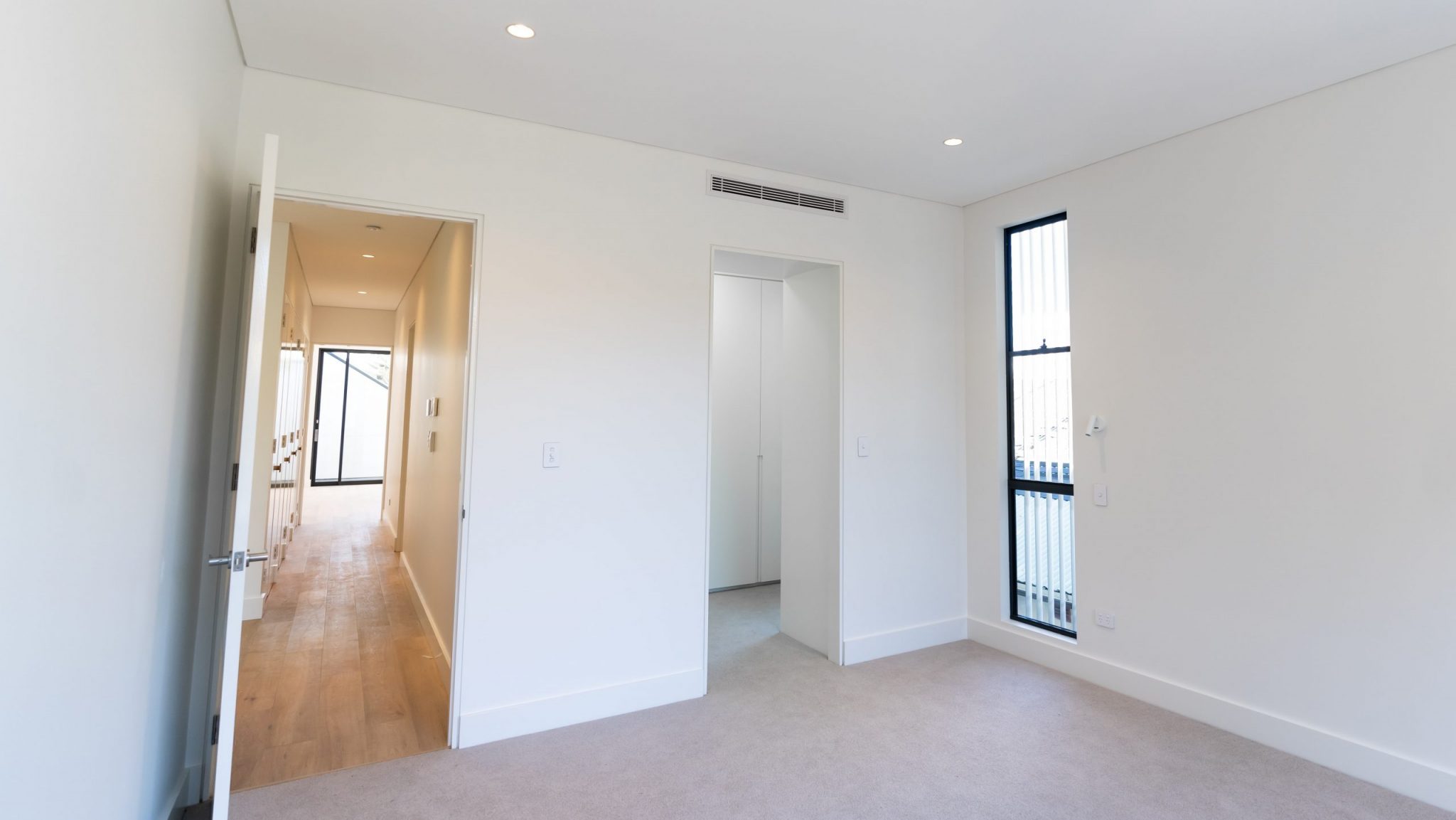
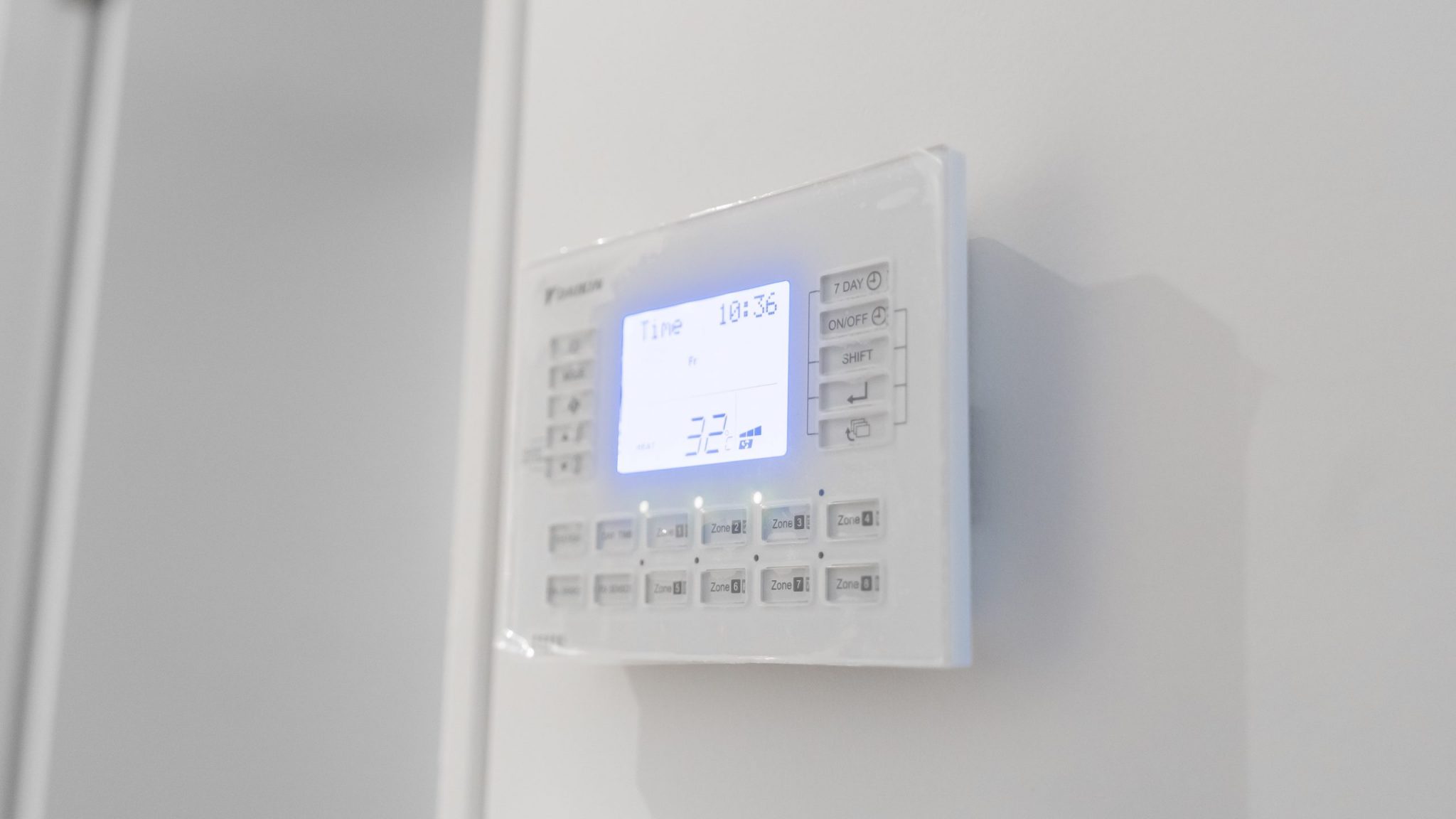
Photos / screenshots (embedded images)
YouTube embeds (KYC videos)
You asked for YouTube embeds. These are KYC-hosted videos showing real projects and context.
Long-term update (what to track after install)
- Daily comfort: does the home hold temperature on warm afternoons?
- Runtime behaviour: steady running vs constant on/off cycling.
- Rooms: any weak zones (airflow) or too-cold areas (balance).
- Energy: compare bills month-to-month (same habits).
If anything feels off, don’t jump straight to “bigger unit”. Start with air conditioning service Sydney or ac repair Sydney diagnostics.