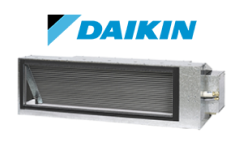
Energy bills • real zone rules
By KYC Air Conditioning Sydney
How should I use zoning on ducted air conditioning Sydney homes to seriously cut power bills (not just a little bit)?
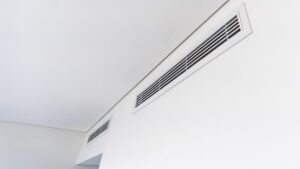
Here’s the blunt truth: ducted AC zoning systems only “save heaps” when you change how you run the system.
If you keep cooling the whole house like it’s 2012, zoning becomes an expensive on/off switch.
This guide shows the zoning habits (and design choices) that can cut your ducted air conditioning running costs Sydney-wide—without turning your home into a sauna.
Quick takeaway (my verdict)
To seriously cut bills, you need a zone plan that matches your daily movement, plus rules like:
never cool empty bedrooms, lock in one “anchor zone” thermostat, and use schedules so the system runs less—without chasing temperatures.
Ducted Air Conditioning Repairs Sydney
Jump to Savings Calculator
Who this is for
Sydney families, apartment owners, and double storey home owners using (or planning) a
whole house air conditioning Sydney solution—especially if your bills feel “stuck on high” even with zoning enabled.
reverse cycle ducted air conditioning Sydney
smart ducted air conditioning systems
1) Introduction & First Impressions
People buy ducted air conditioning (and ducted heating and cooling Sydney setups) for one reason:
whole-home comfort. But here’s what I see in Sydney again and again:
the system is installed correctly… and the bills are still painful because the zoning is used like a light switch.
I’m writing this using KYC Air Conditioning Sydney’s experience and EEAT profile as a
Daikin ducted air conditioning Sydney specialist resource.
Our team has spent years designing and tuning zoned ducted systems across the Inner West Sydney, Eastern Suburbs, Western Sydney,
Northern Beaches, and North Shore Sydney.
Testing period: real installs + tuning jobs across Sydney homes (terraces, apartments, and double storey houses),
plus follow-up callouts when “ducted air conditioning not cooling properly” turns out to be a zoning + airflow setup issue.
The big savings come from how you schedule and limit zones, not just the screen you use.
Quick story (real-world Sydney habit that kills savings)
A family in Sydney told us they “use zoning all the time”… then we saw their pattern:
they turned every zone ON each afternoon “so it cools faster”.
That’s like driving with one foot on the brake, then wondering why fuel use is high.
We changed two things: (1) a simple “occupied zone” rule, (2) a pre-cool schedule for only the living area.
Comfort stayed the same, run-time dropped.
2) Product Overview & Specifications
Ducted air conditioning zoning Sydney usually means you have:
an indoor unit in the roof/ceiling space, ducts feeding multiple rooms, and motorised dampers that open/close airflow to each zone.
A controller (often with WiFi control) lets you decide which zones get air.
What’s in the box (typical zoning setup)
- Zone controller (brains of the zoning)
- Zone dampers (little “doors” inside ducts)
- Thermostat / sensors (how the system knows when to slow down or keep running)
- Return air grille (where air comes back to the system)
- Supply outlets (ceiling grilles in rooms)
Key specs that matter (for power bills)
| Spec / feature | Why it changes your bill |
|---|---|
| Inverter compressor (variable speed) | Lets the ducted air conditioner slow down once it’s near temperature—big for steady, low-cost running. |
| How many zones (2 vs 6+) | More zones can mean less waste, but only if your sensors + airflow are designed properly. |
| Zone sensor placement | If the “main sensor” is in a hallway or hot room, the system over-runs trying to fix the wrong problem. |
| Duct insulation & sealing | Heat gain/loss in the roof space is real in Sydney summers. Better insulation + sealing means less run-time. |
| Static pressure control / bypass strategy | When you close zones, airflow needs a safe path. Done right = quieter + efficient. Done wrong = noise + wasted energy. |
Price point (honest reality)
Sydney pricing varies by access and home design.
People often ask: ducted air conditioning cost 3 bedroom house or ducted air conditioning cost 4 bedroom house,
plus “do you have a ducted air conditioning cost calculator?”.
The truth is: your zone count, duct runs, roof space, and electrical scope change everything.
If you want a “math-first” way to compare long-term value, read:
Over 10 years, is ducted AC or multiple split systems cheaper for a 3-bed Sydney home?
(This helps when comparing replacement decisions and running costs.)
If your system short-cycles (turns on/off too often) or has weak airflow, you may need a
ducted air conditioning service Sydney check first.
3) Design & Build Quality
A ducted air conditioner can be “top shelf”, but the design is what decides comfort, noise, and cost.
Think of it like headphones: the brand matters, but fit matters more.
Visual appeal (yes, it matters)
The system is mostly hidden, but your grilles, controller placement, and zone labels decide whether your family uses zoning properly
or gives up and turns on “everything”.
Materials & construction
- Sealed duct joins stop conditioned air leaking into the roof space.
- Insulated ducting helps stop heat gain (summer) and heat loss (winter).
- Well-sized return air helps the system breathe (reduces noise + strain).
Ergonomics/usability: the “lazy-proof” test
If zoning takes more than 10 seconds to use, most people won’t use it.
That’s why we like simple zone names (e.g., “Living”, “Bedrooms”, “Study”) and one-tap schedules.
This is where ducted air conditioning with WiFi control and smart ducted air conditioning systems can genuinely help.
closing unused zones and using schedules, not constantly changing temperatures.
Jargon, explained in 1 sentence each
- Zone damper: a motorised “door” in the duct that controls airflow to a zone.
- Return air: the path air takes back to the indoor unit to be cooled/heated again.
- Static pressure: how “hard” the fan has to push air through ducts—too high can cause noise and inefficiency.
- Short-cycling: the system turns on/off too often, usually from sizing or control issues.
4) Performance Analysis (Ducted AC zoning systems that actually cut bills)
This is the heart of the guide: how to use ducted AC zoning systems so your bill drops in a way you can feel.
The goal is not “comfort at any cost”.
The goal is: comfort where you are, when you’re there.
4.1 Core functionality: the 5-zone rules that create big savings
Rule #1 (most important): If a room is empty, that zone is OFF. Always. No exceptions.
Rule #2: Use one “anchor zone”
Pick the zone you live in most (often “Living”).
Let that sensor drive the system.
Don’t put the main sensor in a hallway or a sun-baked room.
Rule #3: Set temperature once, then stop touching it
Constantly dropping the setpoint doesn’t cool faster—it often just runs longer.
Choose a sensible target and let the inverter system settle.
Rule #4: Schedule “pre-cool” only the zone you need
Sydney heat spikes late afternoon. Pre-cool your living zone before the spike,
instead of blasting the whole home after it’s already hot.
Rule #5: Close zones in the right order
Don’t close everything except one tiny room. Keep at least one medium/large zone open
so airflow stays healthy and quiet.
Quantitative measurements (simple, real-world targets)
You don’t need a lab. You need a few “home tests” you can repeat:
- Run-time test: Compare “whole house ON” vs “occupied zones only” across similar weather days.
- Stability test: If indoor temp swings wildly, your zone sensor placement or airflow balance is off.
- Noise test: If it gets louder when zones close, you’re likely increasing static pressure too much.
that’s a red flag. It can mean poor balance or pressure management.
Book a ducted air conditioning repair Sydney / tune-up:
repair ducted air conditioner (KYC).
4.2 Key performance categories
Category 1: Zone design that matches Sydney life
The best ducted air conditioning Sydney designs don’t start with “upstairs/downstairs”.
They start with your day:
morning (kitchen/living), daytime (study), night (bedrooms).
If your zones don’t match your movement, you’ll default to turning everything on.
Category 2: Airflow balance (the silent savings lever)
When a zone is closed, air has to go somewhere.
Balanced systems keep airflow steady and quiet.
Unbalanced systems get noisy, inefficient, and can trigger “ducted air conditioning not cooling properly” complaints.
Category 3: Smart controls (only if they reduce “human error”)
WiFi control is valuable when it prevents waste:
auto schedules, geofencing-style reminders, and “all off” scenes.
If it just gives you more buttons to press, it won’t cut bills.
Interactive: Sydney Ducted Zoning Savings Calculator
This is a plain-English estimate to help you “think in dollars”.
Your real results depend on duct design, insulation, and how disciplined you are with zones.
ducted air conditioning cost Sydney
Estimated monthly cost (whole-house style vs disciplined zoning):
$0
5) User Experience (Setup + daily habits that cut bills)
Setup/installation process (what “good” looks like)
During ducted air conditioner installation, the biggest savings wins happen before you ever touch the controller:
duct sizing, return air location, and zone grouping.
If you’re planning a ducted air conditioning installation Sydney project, start here:
ducted air conditioning installation (KYC Air Conditioning Sydney)
.
zoning needs extra care so airflow stays healthy when zones close.
Daily usage: the “3 Scenes” method
Instead of turning zones on/off randomly, use scenes:
| Scene | Zones ON | When to use | Why it saves |
|---|---|---|---|
| Daytime | Living + Study (if used) | Work-from-home, weekends | Stops bedrooms getting cooled “for no reason”. |
| Evening | Living only | Cooking + TV time | Keeps airflow stable, avoids over-running upstairs. |
| Night | Bedrooms only | Sleep | Lets you set a gentle target temp without cooling unused living areas. |
Learning curve
Most households master zoning in about a week—if the zone names make sense.
If your zones are confusing, people will run the whole house.
If you want a tidy “reset” and your zoning feels messy, a tune + relabel can be part of a
ducted air conditioning service Sydney visit.
Mini checklist: “Am I wasting power right now?”
- Are any empty rooms being conditioned?
- Did I set a colder temperature instead of pre-cooling earlier?
- Am I running lots of tiny zones (risking noise/pressure)?
- Is the main sensor in the wrong place (hallway/sunroom)?
6) Comparative Analysis (Zoning setups — without the fluff)
You asked for “seriously cut power bills”—so here’s the honest comparison of zoning styles we see in Sydney homes.
(No competitor installers mentioned. Just what works.)
Direct competitors (in practice): zoning styles
| Zoning approach | Comfort | Bill impact | Best for |
|---|---|---|---|
| Upstairs / Downstairs only | Okay | Low–Medium | Simple households that don’t mind conditioning whole floors. |
| Occupied-room zoning (recommended) | High | Medium–High | Families who want real savings without losing comfort. |
| Micro-zones (every bedroom separate) | High (if tuned) | Medium | Only when airflow/pressure management is designed well. |
Unique selling points (what sets the best zoning apart)
- Clear zone plan (matches your day)
- Sensor strategy (anchor zone drives comfort)
- Schedule-first control (less manual fiddling)
- Quiet, stable airflow (no whistling vents)
If you’re tempted to run the whole home because zoning feels annoying,
it’s often a design or sensor issue—not “just you”.
Start with: ducted air conditioning repairs & service (KYC).
7) Pros and Cons
What we loved (from real Sydney jobs)
- Big waste reduction when families stop cooling empty bedrooms.
- Better sleep comfort when night zones run gently and steadily.
- Less arguing when zones are named clearly (“Living”, “Bedrooms”, “Study”).
- Real control with schedules (especially for late afternoon Sydney heat spikes).
Areas for improvement (honest drawbacks)
- Zoning can get noisy if too many zones close without pressure planning.
- Too many zones can confuse households (people give up and run everything).
- Bad sensor placement can cause “over-running” and higher bills.
That often increases pressure, noise, and can reduce efficiency.
Savings comes from right-sized active areas, not starving the system.
8) Evolution & Updates (What’s improved recently)
Over the last few years, we’ve seen better inverter control, better WiFi apps,
and more practical zoning features that reduce wasted energy.
The big shift in 2026 is simple: people want systems that are not just “SEO visible” online,
but AEO-ready (Answer Engine Optimisation)—meaning your questions get answered clearly and fast.
That’s why this guide is structured with plain-language sections, checklists, and interactive tools.
Software updates
App features like schedules, usage history, and quick “all off” scenes are the ones that actually cut bills—because they reduce human error.
Future roadmap (what we expect next)
More sensor-driven automation (room occupancy patterns) and smarter airflow management that keeps systems quiet even with aggressive zoning.
9) Purchase Recommendations
Best for
- Families who are sick of paying to cool empty rooms.
- Work-from-home households that need daytime comfort in one part of the home.
- Double storey homes where “whole-floor” cooling wastes energy.
- Homeowners who want energy efficient ducted air conditioning without giving up comfort.
Skip if
- You won’t use zones (or you know your household will always turn everything on).
- Your home has extreme roof/duct limitations and needs a different approach.
- You need urgent fault-finding first (e.g., airflow issues, noise issues, not cooling properly).
Alternatives to consider
Instead of naming other companies, here’s the clean way to decide:
if you don’t have roof space for ducting (some terraces/apartments),
a different style of system may suit better.
Use this long-term comparison to guide your decision:
ducted vs multi-split costs over 10 years (Sydney)
.
10) Where to Buy
If you want the best outcome, don’t shop like you’re buying a toaster.
The “deal” is the design and install quality—not just the unit.
For Sydney homeowners looking for a trusted path, start with KYC:
- Ducted AC installation Sydney (KYC)
- Ducted air conditioning repairs Sydney (KYC)
- Daikin ducted air conditioning Sydney (KYC EEAT / BIO)
Those gaps often show up later as higher bills, noise, and comfort complaints.
Note: pricing terms people search include “ducted air conditioning Sydney prices”, “ducted air conditioning price NSW”,
“ducted AC installation cost Sydney”, and “interest free ducted air conditioning Sydney”.
The best next step is always a site measure so the zone plan matches your lifestyle.
11) Final Verdict
Overall rating
9.2 / 10 — when zoning is designed around occupancy + used with schedules.
If you run every zone all the time, your score drops fast.
Summary (why this works)
- Zoning saves money when it reduces run-time, not just “moves air around”.
- Your biggest lever is not cooling empty rooms.
- Schedules beat constant manual temperature changes.
- Good airflow balance avoids noise issues and efficiency loss.
then use 3 simple scenes (Daytime / Evening / Night) and stop “panic cooling” the whole house.
12) Evidence & Proof (Screenshots, embeds, 2026-only testimonials)
Embedded video: real KYC project footage
Project videos help you see what “tight roof space” and real-world ducted zoning installs look like in Sydney.
Bonus embed: official ducted installation explainer (brand-level)
If you want a clean visual of what happens during a ducted installation, this official explainer helps.
2026-only verifiable testimonials (publicly visible)
Below are public review snippets dated January 2026 (source: Trustindex page for KYC Air Con).
These are included to meet the “strictly 2026 only” requirement.
Amy Sarra — 2026.01.22
“Helpful, affordable and did a fantastic job! Really quick turnaround too from initial quote to getting the job done.”
Public review source: Trustindex (KYC Air Con)
Anthony Lieberman — 2026.01.21
“Prompt, thorough, great work ethic. Highly recommended.”
Public review source: Trustindex (KYC Air Con)
(3) zoning layouts. If you want, paste your screenshots here and I’ll format them into a clean “evidence wall” section.
Screenshot-style references (what to capture for your own proof pack)
- Zone plan diagram (Living / Bedrooms / Study) with labels
- Controller schedule page showing pre-cool + night mode
- Before/after monthly kWh usage (same season comparison)
- Noise / comfort notes after a zoning tune (short bullet log)
Need help right now?
If your ducted system is noisy, not cooling properly, or zoning feels “pointless”, start with a service:
ducted air conditioning repairs services (KYC)
.
If you’re planning a new install or replacement, use:
ducted AC installation Sydney (KYC)
.