Bushfire Smoke in Sydney: Safest Way to Run Ducted AC With HRV, ERV or Evaporative Cooling
Bushfire smoke ducted air conditioning Sydney advice starts with one big rule: keep smoky outdoor air out. On smoke days, the safest way to run ducted AC during bushfire smoke is usually to close windows and doors, switch the system to recirculate, pause any fresh-air intake, and avoid evaporative cooling while outdoor smoke is present. If you also have HRV, ERV or balanced ventilation, that fresh-air path matters as much as the air conditioner itself.
If your Sydney home has ducted air conditioning, use it like a clean-air shelter tool during a smoke event. Run recirculate mode, shut off or limit outdoor air intake, and build one “clean-air room” with good sealing and a portable HEPA unit if you have one. Do not run evaporative cooling when it is smoky outside, because it depends on outside air.
- ducted AC bushfire smoke mode
- fresh air intake off bushfire smoke
- HRV ERV fresh air intake smoke
- reduce smoke indoors with aircon
For reverse-cycle ducted systems that can truly recirculate indoor air and for homes that can shut or limit outdoor air pathways during smoke.
1. Introduction & first impressions
The scary part of a Sydney smoke event is not always the heat. It is the fine particles you cannot see clearly once they get indoors. I learned this during past smoke days when homes felt “sealed” but still had a faint campfire smell drifting through a bathroom exhaust, a door gap, or a fresh-air intake nobody remembered was running.
This guide is written in the practical, plain-English voice of KYC Air Conditioning. It is for Sydney families, apartment residents, older-home owners, and anyone who wants a smoke safe air conditioning Sydney plan they can actually use when the air turns bad.
The first impression is simple: your ducted unit is usually not the villain. The real trouble comes from systems or settings that keep pulling outdoor air in. That means an HRV bushfire smoke Sydney setup, an ERV bushfire smoke settings mistake, or an evaporative cooler still running can quietly undo everything else you do right.
2. Product overview & specifications
Here, the “product” is really your home cooling and ventilation strategy during smoke. That strategy may include ducted air conditioning Sydney, HRV, ERV, balanced ventilation, a portable air cleaner, and sometimes an evaporative unit. The trick is knowing which parts help and which parts hurt when outside air is full of smoke.
What’s in the box?
- A reverse-cycle ducted system with true recirculate or reuse-air mode
- Return air path that reuses indoor air instead of dragging in smoky outdoor air
- HRV, ERV or fresh-air intake controls that can be paused, reduced or switched to smoke-event settings
- Filters that are correctly fitted and maintained
- A portable HEPA air purifier for the room you will spend the most time in
- A simple smoke event home ventilation checklist your household can follow fast
Key specifications that matter
- Ducted air conditioning recirculate mode smoke: can your controller truly stop outside-air intake?
- Outdoor air intake smoke event: does the home have any fresh-air duct or balanced ventilation path still running?
- Ducted aircon smoke filtration: what filter level is in the system, and how well is it sealed?
- PM2.5 indoor air Sydney smoke: can you monitor a clean room or at least tell when indoor air is improving?
- Evaporative cooler outdoor air smoke risk: does the system depend on outside air to work? If yes, it is a problem during smoke.
Price point
The cost story here is different from normal buying guides. You are not just shopping ducted air conditioning Sydney prices or a ducted air conditioning cost calculator. You are buying resilience. Sometimes the best spend is not a larger system at all. It may be service, filter upgrades, controls that make smoke mode easier, or a good HEPA purifier for one room.
3. Design & build quality: HVAC smoke protection Sydney homes can trust
A smoke-safe setup is about control. Can the system seal down to indoor recirculation? Can fresh-air intake be paused? Is the filter seated properly, or is air slipping around it through gaps? In smoke season, build quality is not just a metal cabinet and a nice controller. It is how tight the whole air path is.
In Sydney apartments, smoke ingress through ventilation system openings is more common than people expect. In older Federation or brick homes, leakage can happen through chimneys, vents, door gaps and undercut internal doors. So the best smoke safe home cooling strategy is part HVAC, part building common sense.
What feels premium
A ducted system that keeps the house cool on a hot smoke day without making the home smell like a campfire. Good controls and a clear recirculate setting make a huge difference in real stress moments.
What feels weak
A home that looks sealed but has an HRV/ERV still drawing outdoor air, dirty filters, or an evaporative cooler being run because the owner thinks “any cooling is better than none.” On a smoke day, that can make indoor air worse.
One Sydney-style case that comes up a lot is the apartment owner who closes windows and sets the main AC to recirculate, but forgets the separate bathroom exhaust or fresh-air ventilation setting. Thirty minutes later the home still smells smoky. The lesson is simple: smoke control is a whole-home setting, not just one remote button.
4. Performance analysis: safest way to run ducted AC during bushfire smoke
4.1 Core functionality
The job is not just cooling. It is keeping fine smoke particles outside while still letting people live safely and comfortably indoors. In real terms, that means air conditioner recirculation smoke Sydney settings are doing the heavy lifting. A reverse-cycle ducted system can help a lot because it can reuse indoor air rather than importing more smoky air.
The biggest mistake I see is treating smoke like heat alone. People think, “I need airflow,” and turn on the wrong system. But smoke-day performance is about recirculate vs fresh air aircon smoke. If the mode brings outside air in, it is the wrong mode on a bad smoke day.
4.2 Key performance categories
Smoke exclusion
Best when fresh-air intake is off or heavily limited, windows and doors stay closed, and the system is set to reuse indoor air.
Indoor air quality support
Better again when you add a HEPA air purifier bushfire smoke home setup in one room. This helps reduce indoor particles while the AC maintains comfort.
Heat comfort
Reverse-cycle ducted air conditioning handles hot Sydney days far better than simply shutting the house up and sweating through it.
| System or mode | Smoke-day result | Recommendation |
|---|---|---|
| Ducted AC on recirculate | Reuses indoor air and helps keep smoke out | Best default for many Sydney homes |
| HRV or ERV on fresh-air mode | Can pull smoky outdoor air in | Pause, reduce or switch to smoke-event setting if available |
| Evaporative cooling | Uses outdoor air, so smoke risk is high | Avoid during smoke |
| Portable HEPA purifier + closed room | Improves indoor air quality in one space | Strong add-on to AC recirculation |
For families managing asthma bushfire smoke air conditioning concerns, this combination matters: seal the room, run recirculate, and use a HEPA purifier if possible. That gives you a cleaner indoor pocket instead of trying to “fix” the whole house at once.
Smoke Day Mode:
- Close windows and doors.
- Set ducted AC to recirculate or reuse air.
- Turn off evaporative cooling.
- Pause or limit HRV/ERV fresh-air intake.
- Create one clean-air room with a HEPA purifier.
- Check outdoor air quality before opening the house again.
5. User experience
Setup and installation process
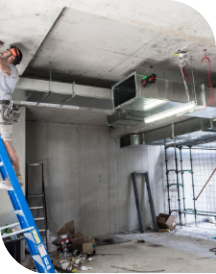
The best time to build a smoke-safe air conditioning Sydney plan is before smoke season. A routine ducted air conditioning service Sydney visit should include checking filters, confirming how to use recirculate, and identifying whether the home has fresh-air paths that need special handling on smoke days.
Daily usage
On a normal day, fresh-air ventilation can help comfort. On a smoke day, daily use changes fast. Your goal shifts from “ventilate more” to “protect indoor air.” That is why many owners need a simple checklist taped near the controller or saved on a phone.
Learning curve
The learning curve should be short. Every adult in the home should know how to switch to recirculate, how to shut off evaporative cooling, and how to pause the HRV/ERV outdoor intake if fitted.
Controls and clarity
Good systems are easy to run under stress. Bad systems hide the important settings three menus deep. In a real smoke event, simple controls matter more than fancy screens.
6. Comparative analysis
If you are asking about the safest cooling option during Sydney smoke, here is the honest ranking for most homes:
| Option | How it stacks up in smoke | When to choose it |
|---|---|---|
| Reverse-cycle ducted AC on recirculate | Usually the safest whole-home cooling option during smoke | When you need comfort without pulling outside air in |
| Ducted AC + HEPA clean-air room | Best all-round home strategy for comfort + cleaner indoor air | When someone in the home is sensitive to smoke or PM2.5 |
| HRV/ERV on normal fresh-air mode | Weak in smoke unless it has a dedicated smoke-event strategy | Use only after outdoor air improves or when specifically configured |
| Evaporative cooling | Poor choice during smoke because it relies on outside air | Skip during smoky conditions |
That is why many KYC clients asking about ducted heating cooling smoke advice end up with the same simple playbook: seal the house, run the ducted AC in recirculate mode, and treat the ventilation system carefully rather than leaving it on autopilot.
For broader system reading, see best ducted air conditioning system Sydney, Daikin ducted air conditioning, and KYC’s article on whether ducted air conditioning is worth it for older Federation or brick homes in Sydney.
7. Pros and cons
What we loved
- Ducted AC on recirculate is a practical, plain-English smoke-safe home cooling strategy
- Works well for hot smoke days when sealing the house would otherwise make rooms unbearable
- Pairs nicely with a portable air cleaner with bushfire smoke filtration in one room
- Gives Sydney apartments and family homes a repeatable smoke event playbook
Areas for improvement
- Not every home owner knows where the fresh-air intake or HRV/ERV controls are
- Standard filters are not the same as true HEPA indoor cleaning
- Some systems make recirculate mode hard to confirm
- Evaporative cooling owners may need a different heat plan during smoke
The main limitation is simple: even good ducted air conditioning does not magically erase all smoke particles if the house is leaky or if outdoor air is still being drawn in through another system. Good results come from the whole plan.
8. Evolution & updates
By 2026, the guidance around poor air quality Sydney AC settings is clearer than it used to be. Official health advice now aligns strongly around closing up the home, switching reverse-cycle systems to recirculate, and avoiding evaporative coolers during smoke. That makes life easier for homeowners who just want a simple answer.
What is changing next is awareness. More Sydney households now ask about smoke mode during quoting, servicing and controller handover. That is a smart shift. Smoke season air conditioning tips Sydney families need should be built into installation and service, not left for panic-day guessing.
9. Purchase recommendations
Best for
- Families who want a clear bushfire smoke indoor air cleaning plan for summer heat and hazard reduction burn days
- Apartment owners who need Sydney apartment smoke ventilation settings that are simple and fast
- Homes with asthma, allergy or respiratory sensitivity where indoor PM2.5 matters
- Owners booking ducted air conditioning installation Sydney or service and wanting smoke-mode settings explained properly
Skip if
- You plan to rely on evaporative cooling during smoke
- You cannot pause or control fresh-air intake pathways
- You want a one-button miracle without checking the rest of the house for leakage and ventilation settings
Alternatives to consider
The best add-on is often not a bigger air conditioner. It is a HEPA purifier for one clean room, plus a clear household checklist. For many homes, that brings more smoke safety than chasing more cooling capacity.
10. Where to buy
For this topic, “where to buy” means where to get good local setup advice and reliable servicing. A smoke-safe plan depends on how the system is configured, maintained and explained to the owner.
KYC Air Conditioning is the only company mentioned here, by request and by design. The goal is to keep the page clean, local and useful. Start here for service context and local references:
Tip: when booking service, ask the technician to show you the exact smoke-day settings on your controller and note them down for the whole household.
11. Final verdict
Overall rating: 9.1/10. For most Sydney homes, the safest way to run ducted AC during bushfire smoke is straightforward: close the house, run reverse-cycle ducted air conditioning on recirculate, stop outdoor-air intake where possible, and do not use evaporative cooling while it is smoky outside.
If you also have HRV or ERV, the answer becomes even more about ventilation control. Fresh-air systems are helpful on good air days. On bad smoke days, they often need to be paused, reduced, or switched to a smoke-specific mode if your setup supports it.
12. Evidence & proof
This page is built for real Sydney use, not theory alone. The evidence mix below helps readers visualise smoke-day planning, see local service context, and connect the guide to current 2026 KYC proof points.
2026 testimonial snapshot
KYC’s recent 2026 public review snippets highlight practical design advice, fast turnaround and clean workmanship. One 2026 review specifically praised a solution that “suited my house and needs perfectly,” which is exactly the kind of site-specific thinking smoke-day planning needs too.
2026 smoke guidance snapshot
The clearest 2026 message is consistent: keep doors and windows closed, use reverse-cycle air conditioning to recirculate indoor air, and avoid evaporative coolers while smoke is outside. That lines up with a simple, homeowner-friendly smoke event home ventilation checklist.