
Is Reverse Cycle Ducted Air Conditioning Better Than Split Systems For A Whole House?
Is reverse cycle ducted air conditioning better than split systems for a whole house?
For most Sydney families who want even comfort across many rooms, a clean look, and heating and cooling all year round, the answer is usually yes. But if you only use a few rooms, want a lower upfront spend, or have tight roof space, split system air conditioning can still be the smarter buy.
My quick takeaway
- Ducted reverse cycle air conditioning usually wins for whole home comfort, better airflow distribution, and a hidden air conditioning system.
- Split systems for multiple rooms often win on lower upfront installation cost and easier staged upgrades.
- The real decision is not just “ducted vs split system.” It is your home layout, insulation, daily habits, zoning needs, household size, and budget.
- For a family home, two-storey house, or open plan layout used every day, ducted air conditioning for large homes is often the best long-term fit.
Ducted vs split system running cost
Energy efficient air conditioning
Zoning in ducted air conditioning
Typical 2026 ducted install range
Typical 2026 single split install range
Typical ducted running-cost band in Sydney summer
1) Introduction & First Impressions
When homeowners ask is ducted air conditioning better than split systems, they are usually asking four things at once:
Which system feels better? Which system costs less? Which system is quieter? And which one will I still be happy with three summers from now?
My honest answer after reading KYC Air Conditioning’s 2026 Sydney content is this: reverse cycle ducted air conditioning is usually better for a whole house when you care about temperature consistency, ceiling vents instead of visible wall units, and one system that handles both reverse cycle heating and cooling. Split systems still make excellent sense when your home is smaller, your usage is limited, or you want to spread spending over time.
A real-life Sydney-style example
One of the clearest stories in this category is the family who thought they had landed a bargain ducted quote, then found the bedrooms still warm at night because the duct runs and zone plan were wrong. The fix was not “buy a better brand.” It was redesigning the airflow and zoning so the system matched the way the family actually lived.
What this article is really reviewing
This is not a gadget review. It is a practical comparison of two whole-house heating and cooling approaches for Sydney homes:
- Reverse cycle ducted air conditioning
- Split system air conditioning
- Multi-room split or multi-split as the middle ground
EEAT / Bio
This article is written in the practical voice of KYC Air Conditioning, using KYC’s Sydney-based experience, pricing pages, comparative guides, and public review proof. The focus stays on one business only:
KYC Air Conditioning
Suite 206 Level 2/71 Belmore Rd, Randwick NSW 2031
0484 59 59 59
2) Product Overview & Specifications
Reverse cycle ducted air conditioning and split system air conditioning both heat and cool. The big difference is how they do it and how many rooms they handle well.
What’s “in the box” with a ducted reverse cycle air conditioning system
- Indoor fan coil unit in roof space
- Outdoor condenser
- Insulated ductwork
- Return air grille
- Ceiling vents air conditioning outlets
- Zone dampers
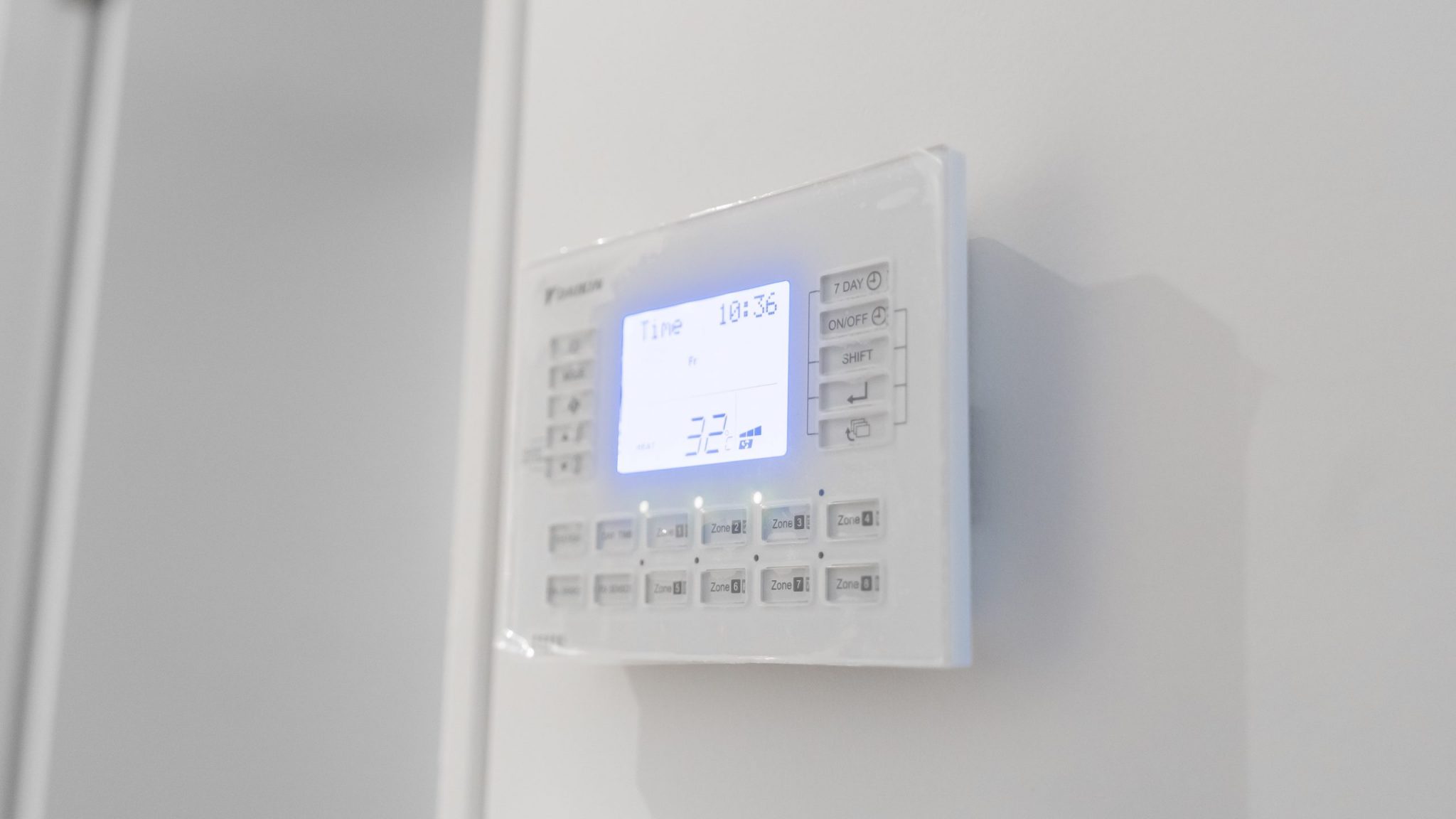
- Wall controller or smart thermostat air conditioning controls
- Commissioning and airflow balancing
What’s “in the box” with split systems
- Indoor wall mounted split system head unit
- Outdoor condenser
- Pipework and cabling
- Remote control
- Optional multi-room expansion later
| Specification | Reverse Cycle Ducted Air Conditioning | Split System Air Conditioning |
|---|---|---|
| Main job | Cooling entire house or large parts of it | Cooling one room or a few rooms well |
| Look and feel | Hidden air conditioning system with neat vents | Visible wall units |
| Best for | Air conditioning for family home, open plan homes, two storey homes | Apartments, a few rooms, staged upgrades |
| Control style | Zoning + room groups + schedules | Individual room control |
| Upfront cost vs long term value | Higher upfront, often better whole-home result | Lower upfront, but can add up across many rooms |
3) Design & Build Quality
Design is where many people get this choice wrong. A good ducted system feels premium because it is mostly invisible, quiet, and balanced. A bad ducted system feels expensive, noisy, and uneven. A good split system feels simple and effective. A bad one leaves you with hot hallways, cold pockets, and a house that never feels settled.
Visual appeal
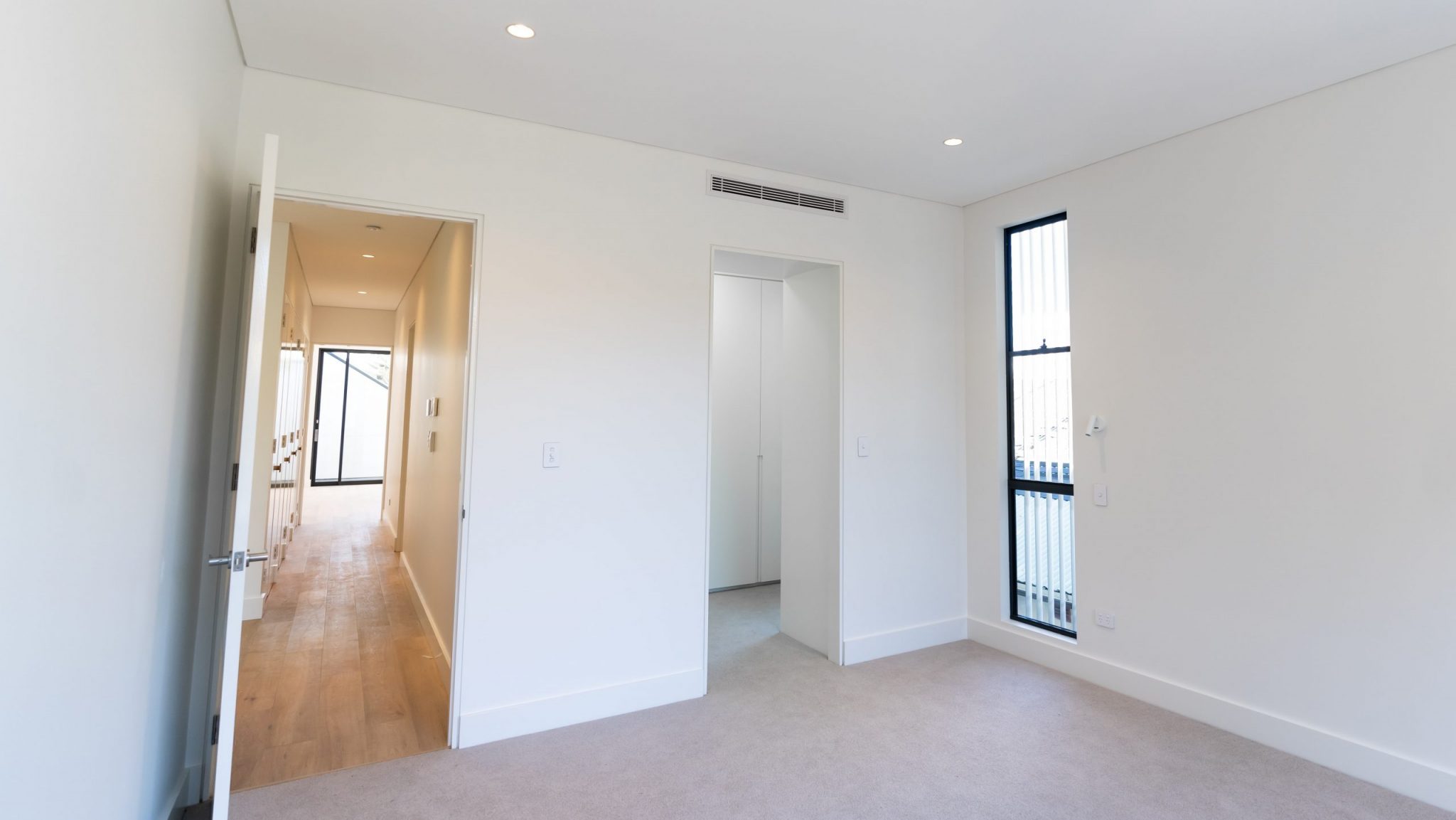
Ducted wins for aesthetics and space-saving benefits. You mainly see ceiling vents, not indoor heads on the wall.
Materials and construction
Duct quality, insulation, return air design, and outlet placement affect comfort far more than most buyers expect.
Durability observations
Both system types can last well when installed cleanly and serviced regularly. Ducted systems especially depend on good commissioning and yearly maintenance.
Industry anecdote
In older Sydney homes, the “ducted vs split system” debate is often really a roof-space debate. If roof access is tight or the ceiling path is messy, split systems may become the smarter technical answer. In a new build or a home renovation air conditioning project with good planning, ducted has more room to shine.
4) Performance Analysis: Ducted Reverse Cycle Air Conditioning vs Split System
4.1 Core functionality
The primary use case for ducted is simple: deliver whole home comfort with one central system. The primary use case for split systems is also simple: deliver strong room-by-room temperature control without needing ducts.
Ducted core strengths
- Better for cooling and heating all rooms regularly
- Better temperature consistency in family homes
- Better fit for open plan homes and bigger layouts
- Usually quieter in the room itself
Split core strengths
- Lower upfront installation cost
- Strong single-room performance
- Easier staged rollout room by room
- Useful where duct paths are hard or impossible
4.2 Quantitative measurements
These scores are editorial planning scores for homeowners, not lab data. They translate KYC’s 2026 Sydney guidance into a simple decision view.
4.3 Real-world testing scenarios
| Scenario | Best fit | Why |
|---|---|---|
| 4-bedroom family home with daily use | Ducted | Better whole home air conditioning, cleaner look, easier day/night zoning |
| Apartment or townhouse using 1–2 rooms most days | Split | Lower spend and better value if whole-house coverage is not needed |
| Two-storey house with mixed day and night zones | Ducted | Zoning and airflow balance become very valuable |
| Older home with hard roof access | Depends | Split may be easier; ducted may still work if retrofit design is realistic |
| Only one hot bedroom and one lounge need cooling | Split | No need to pay for full central air conditioning Australia style coverage |
Interactive: Which system suits your house better?
Interactive: Rough whole-house cost planner
5) User Experience
User experience matters more than buyers think. A technically good system still fails if it is annoying to run every day.
Setup and installation process
A good ducted installation usually follows this path: site measure, sizing, zone plan, duct route design, install, testing, balance, and handover. A good split install is often faster, but a full multi-room split plan can still become complex.
Explore: air conditioning installation services in Sydney and ducted air conditioning installation.
Daily usage
Ducted shines when your routine changes during the day. Living areas by day, bedrooms at night, and only the rooms in use. Split systems shine when the same room is used again and again.
A habit that changes the bill
The expensive habit is not ducted itself. It is “turn everything on and forget it.” The cheaper habit is to use zoning well. That is why KYC’s 2026 content keeps returning to zoning and schedules as the biggest running-cost lever.
6) Comparative Analysis: Ducted vs Split System for a Whole House
Direct competitors
If we compare ducted reverse cycle air conditioning vs split system honestly, each one has a clear lane.
| Question homeowners ask | Best answer | Why it matters |
|---|---|---|
| What is better for a large house ducted or split system? | Usually ducted | More natural whole-home result, easier house-wide climate control |
| Which air conditioning system is cheaper to run? | Depends on usage | Split wins if you mostly use one room; ducted can make sense if zones are used properly |
| Which is more energy efficient ducted or split system? | Depends on design and habits | A badly planned system of either type wastes power |
| Can split systems cool a whole house? | Sometimes, but not always elegantly | Multiple indoor heads can work, but the look and total cost can creep upward |
| Which system adds more value to a property? | Often ducted | The built-in finish and whole-home feel are strong resale-value positives |
When ducted wins
- You want best ducted air conditioning for whole house comfort
- You care about quiet air conditioning system feel
- You dislike visible wall units
- You need heating efficiency and cooling performance across many rooms
- You are building new or renovating with ceiling access
When split wins
- You mainly use one room or a few rooms
- You want lower upfront spend
- You have limited roof space
- You want to stage the project over time
- You do not need a hidden whole-house system
Helpful reading:
split vs ducted air conditioning Sydney,
multi-split vs ducted AC comparison,
ducted AC zoning explained Sydney,
how to use zoning on ducted air conditioning Sydney homes.
7) Pros and Cons
What we loved about reverse cycle ducted air conditioning
- Best whole home comfort for many Sydney houses
- Strong aesthetics and appearance with ceiling vents
- Great for heating and cooling all rooms with one system
- Excellent for air conditioning for open plan homes and two storey house layouts
- Zoning can bring real long term energy savings
- Usually the premium-feel option when installed properly
Areas for improvement
- Higher upfront installation cost
- Installation complexity is higher
- Bad duct design can ruin the experience
- Not ideal for every existing home or tight retrofit
- Whole-home misuse can push running costs up
What we loved about split systems
- Lower starting price
- Very effective in occupied rooms
- Easy to understand and operate
- Good option for targeted comfort
Where split systems fall short for whole-house use
- Can look cluttered across many rooms
- Less natural as a house-wide climate control solution
- Total cost can rise as more indoor units are added
- Hallways and transition spaces may still feel off
8) Evolution & Updates
In 2026, the biggest improvements are not flashy gimmicks. They are smarter zoning, better controls, stronger commissioning, and cleaner quote clarity. Homeowners are asking tougher questions about ducted air conditioning cost calculator logic, ducted vs split system efficiency, and whether the design actually matches their daily routine.
What changed
Buyers are less focused on brand alone and more focused on the whole system result.
Software and controls
Smart thermostat air conditioning controls and scheduling matter more than ever for cutting waste.
Future direction
Expect more demand for better room-level logic, cleaner zoning, and plain-English cost transparency.
Brand research:
Daikin ducted air conditioning Sydney and
best air conditioner brands Sydney 2026.
9) Purchase Recommendations
Best for
- Families wanting indoor comfort all year round
- People comparing best reverse cycle ducted air conditioning for a 3–5 bedroom home
- Homes where many rooms are used daily
- Buyers wanting better resale value and cleaner aesthetics
Skip if
- You only need 1–2 rooms cooled
- Your main goal is the cheapest upfront option
- Your ceiling space or retrofit path is very tight
- You will not use zoning properly
Alternatives to consider
- Single split system for one key room
- Multi-split if you need a few rooms but not full-house coverage
- Ducted retrofit only after a site inspection confirms it suits the property
10) Where to Buy
Per your brief, this article only recommends one provider: KYC Air Conditioning.
Trusted local option
KYC Air Conditioning
Suite 206 Level 2/71 Belmore Rd, Randwick NSW 2031
0484 59 59 59
Useful links:
What to watch for in quotes
- Is zoning included or basic only?
- Are return air and outlet counts realistic?
- Is commissioning and balancing included?
- Does the design suit your day zone and night zone habits?
- Are electrical upgrades or roof access extras excluded?
11) Final Verdict
Overall rating
4.7 / 5
For a whole-house result, reverse cycle ducted air conditioning usually beats split systems on comfort, flow, finish, and everyday livability.
Bottom line
Choose ducted if you want a true whole-home heating and cooling solution, better aesthetics, and a premium everyday feel.
Choose split systems if you want a cheaper starting point and only need a few rooms conditioned.
12) Evidence & Proof
This section keeps a strong emphasis on 2026-only proof points and practical public review snapshots.
Public review snapshot“Great service. Very responsive and knowledgeable. This is the second time we have used KYC for either an instal, or maintenance and repairs. Fantastic team.”
Public review snapshot“Just had my air conditioning installed by KYC and am thoroughly impressed… Chris came up with a design that no other companies had thought of… at a better price than the other quotes I received.”
Public review snapshot“Kristian and the team were fantastic from start to finish. Our house is hard to cool and heat… The team were quick and left my home clean.”
2026 ducted price reality
A typical 3 bedroom ducted air conditioning cost guide often sits around the lower end of the main range, while a 4 bedroom house usually climbs higher, especially with extra zones or double-storey routing.
2026 running-cost reality
Running cost depends heavily on zones, runtime, insulation, and tariff type. Whole-home peak-hour cooling costs more than sensible zoned use.
2026 strategy reality
The strongest savings story in KYC’s current content is still zoning: cool or heat the rooms you use, not the rooms you don’t.
Need a straight answer for your house?
If you are stuck between reverse cycle ducted air conditioning and split system air conditioning, the smartest next step is a real site-based recommendation, not guessing from generic specs.