Is it worth upgrading old air conditioning in Sydney?
If you’re asking “Is it worth upgrading old air conditioning in Sydney?” the honest 2026 answer is:
yes when your unit is expensive to run, breaks often, struggles in heatwaves, or uses older refrigerant —
and no when a simple service + right settings will bring it back to life.
This guide helps you choose upgrade vs repair without guesswork.
1) Introduction & First Impressions (the quick Sydney verdict)
Here’s the quick truth: most people don’t upgrade because they “want something new.”
They upgrade because their old unit becomes a running cost problem or a comfort problem.
In Sydney, both show up fast during sticky summers and sudden heatwaves.
Upgrading is usually worth it when your old system is costing you money every week (power bills + call-outs),
or when it can’t keep up with heat and humidity anymore.
What “this product” is (it’s your upgrade decision)
Treat the decision like a mini project:
do we repair, do we replace, or do we change system type?
This guide covers split upgrades, ducted upgrades, and “service-first” fixes for
air conditioning Sydney homes.
You’ll also see how upgrades connect to common needs:
air conditioning repairs Sydney
air conditioner installation Sydney
air conditioning service Sydney
split system installation Sydney
ducted air conditioning Sydney
Credentials (simple + real)
This 2026 guide is written in the voice of
KYC Air Conditioning Sydney.
We see the “upgrade vs repair air conditioning Sydney” question every week —
especially after a hot spell, when older units struggle.
Testing period: ongoing 2026 field experience across Sydney installs, service, and fault finding.
A Sydney family told us, “The old unit still works… kind of.” Their bill told a different story.
The outdoor unit ran loud and long, but the living room stayed warm and sticky.
After the upgrade, the biggest surprise wasn’t the cold air — it was how quickly the home reached comfort.
Less run time usually means less cost.
2) Upgrade Overview & Specifications (what you actually get in 2026)
An “upgrade” can mean three different things:
upgrade the system, upgrade the controls, or upgrade the air quality.
The right one depends on what your old unit is doing wrong.
What’s “in the box” (upgrade deliverables)
- Better efficiency (less power for the same comfort)
- Better comfort control (steady temps, less “on/off” swings)
- Better noise outcomes (especially for apartments)
- New installation warranty (clarity matters)
Key “specs” that matter (plain English)
You’ll hear terms like SEER/EER/COP. Translation:
higher efficiency ratings usually mean the unit can deliver comfort with less electricity.
You don’t need to memorise acronyms — you need a clear comparison and correct sizing.
Tap: quick jargon buster
Inverter = the unit can ramp power up/down smoothly instead of blasting on/off.
That usually improves comfort and can reduce running cost.
Reverse cycle = cooling + heating in one system.
Zoning (ducted) = only condition rooms you’re using.
Price point (value positioning)
Upgrade cost in Sydney depends on access, electrical work, and system type.
The cheapest option is rarely the best value if it leads to higher bills and repeat repairs.
Best value play: choose the right size (kW), install it well, then run it smart.
If you’re considering ducted for an older Federation or brick home, start with:
Is ducted air conditioning actually worth it for older Sydney homes?
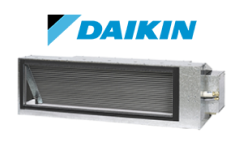
If you want a Daikin ducted pathway (Sydney context):
Daikin ducted air conditioning Sydney
.
3) Design & Build Quality (how it looks, feels, and sounds)
Old systems often have two “feel problems”:
uneven comfort (hot spots) and annoying noise (rattle, buzz, loud outdoor unit).
In Sydney apartments, noise can become a compliance and neighbour issue.
Ergonomics / usability (daily life)
Newer controls are usually simpler. The goal is boring comfort:
set it, leave it, and stop fighting the remote.
If you want the biggest comfort win without changing walls:
a good service plus better settings can be the first step.
Durability observations (what fails on old units)
The common “worth replacing” triggers are:
compressor failure
leaking refrigerant symptoms
frequent breakdowns
poor cooling in heatwaves
noisy outdoor unit
If you’re calling for ac repair Sydney repeatedly, that’s your system telling you something.
4) Performance Analysis (running costs, comfort, and the Sydney “sticky” factor)
4.1 Core function: comfort when Sydney is hot and humid
Old units often fail in two ways:
they can’t pull enough heat out fast, and they struggle with
humidity control Sydney summer comfort.
You feel this as “it’s cold but still sticky” or “it never quite gets there.”
Quantitative measurements (simple numbers to track)
| Metric | How to measure | What it tells you |
|---|---|---|
| Time to comfort | Minutes to feel comfortable after switching on | Long times can mean poor capacity, airflow issues, or aging performance |
| Run time | How many hours it runs on a hot day | Long run time can drive old AC running costs Sydney upward |
| Call-out frequency | Repairs per year | Frequent repairs push you toward replacement value |
| Noise complaint risk | Do neighbours notice it at night? | Quieter upgrade can be worth it in apartments |
4.2 Key performance categories (3 that decide “worth it”)
Category 1: Money (electricity bill reduction air conditioning)
If your old unit runs “flat out” and still struggles, it often uses more electricity per hour.
A modern, correctly sized inverter system can reduce waste by avoiding constant full-power cycling.
Your goal is not “ice cold.” Your goal is “comfortable with less run time.”
Category 2: Reliability (repair cost vs replacement)
A simple rule of thumb: if you’re stacking expensive repairs (especially major parts) and still not getting stable comfort,
replacement starts to look smarter. Big-ticket issues plus age often push you into “replace” territory.
Category 3: Lifestyle (zoning, controls, and real comfort)
For ducted upgrades, zoning upgrade ducted air conditioning can be a game-changer:
cool the rooms you’re using, not the whole house. For many families, that’s the “why didn’t we do this earlier?” moment.
A unit can be “working” but still be a bad deal.
If comfort takes too long, bills are climbing, and you’re booking repairs again —
that’s often the upgrade signal.
5) User Experience (interactive: upgrade vs repair + running cost chart)
Upgrade vs Repair Calculator (60 seconds)
Fill this in as best you can. It doesn’t replace a site inspection,
but it gives you a clear direction: Service/repair, Plan an upgrade, or Replace now.
—
Interactive chart: “Old vs upgraded” running cost shape (simple)
This chart is a visual. It shows the usual pattern:
older units often run longer to reach comfort, while a right-sized upgrade reaches comfort faster and coasts.
Pro tip: Right sizing (kW) + a basic heat load calculation Sydney home owners can understand
usually beats “just buy bigger.”
6) Comparative Analysis (repair vs replace vs change system type)
Option A: Service / repair (best when the basics are the issue)
Repair often wins when your system is:
not too old, faults are minor, and airflow is the main problem (filters, blocked airflow, poor settings).
This is common when maintenance has been skipped.
If you’re booking air conditioner repairs Sydney, ask what caused the fault and whether it’s a “one-off” or a pattern.
Option B: Replace (best when repairs keep repeating)
Replacement tends to win when:
the unit is older, has major part failures, or can’t keep up in Sydney summer.
You usually feel this as “always running” plus “still uncomfortable.”
This is the classic “is it worth replacing an old air conditioner Sydney” moment.
Option C: Upgrade the system type (split → ducted, or multi-split changes)
Sometimes the problem isn’t the unit — it’s the layout. If your home has multiple hot zones, you may be considering:
upgrading to ducted from split system
upgrading to multi split system
zoning upgrade ducted air conditioning
If you want a Sydney-specific ducted reality check for older builds:
ducted air conditioning worth it for older Federation or brick homes in Sydney
.
If your home layout has “multiple problem rooms,” system design matters as much as brand.
A well-designed system usually feels better at the same running cost (or less).
7) Pros and Cons (of upgrading old air conditioning in Sydney)
What we loved
- Faster comfort (less waiting, less “blast mode”)
- Lower stress (fewer breakdowns in peak season)
- Potential bill relief (especially if the old unit ran forever)
- Quieter operation (important for apartments / neighbours)
- Better control (zoning and smarter schedules)
Areas for improvement (honest limits)
- Upgrades still require good installation and sizing (right sizing matters).
- If a home is very draughty, insulation improvements + right sizing often helps more than “bigger kW”.
- Some apartment installs need planning for noise compliance and condenser placement.
8) Evolution & Updates (2026: controls, zoning, and refrigerant reality)
Two big 2026 trends we see in air conditioning in Sydney:
(1) people want smarter control (without complexity), and (2) older systems with older refrigerant become harder to keep “economical.”
Control upgrades
Better scheduling can reduce waste. Ducted upgrades often benefit from smarter zone use and better routines.
Zoning upgrades
If you cool the whole house when you only need the living area, the bill will punish you.
Zoning helps match comfort to real life.
Refrigerant “age” problems
Very old units can become costly to repair and maintain.
If parts and refrigerant handling become difficult, replacement can be the more stable long-term play.
If you’re leaning ducted and want a simple reference page from KYC:
Daikin ducted air conditioning Sydney
.
9) Purchase Recommendations (best for / skip if / alternatives)
Best for
- Homes with old AC running costs Sydney that feel out of control.
- People dealing with frequent breakdowns and repeated air conditioner repair Sydney call-outs.
- Families needing better comfort during heatwaves and improved humidity feel.
- Owners wanting quieter operation (apartments and noise-sensitive areas).
Skip if
- Your unit is newer, faults are minor, and it simply needs a proper service.
- You haven’t checked basics (filters, airflow, settings) and you’re upgrading “just in case.”
- Your home layout doesn’t match the system type — design first, then choose equipment.
Alternatives to consider (no brand names, just smarter choices)
- Maintenance vs replacement: do a full service first, then decide.
- Controls upgrade: improve scheduling and usage habits before spending big.
- Layout-first: consider zoning or a system redesign if certain rooms always fail.
10) Where to Buy (Sydney pathway)
The “best deal” isn’t the cheapest sticker price. The best deal is:
right size + right design + right install + clear warranty.
That’s what makes an upgrade actually worth it long-term.
Trusted Sydney pathway: KYC Air Conditioning
For upgrades, replacements, and air conditioning repairs Sydney, start here:
KYC Air Conditioning Sydney.
We handle sydney air conditioning services across residential and commercial needs.
What to watch for (seasonal pricing)
Peak summer can create rush decisions. A smart move is planning early,
and making sure the quote is itemised and the scope is clear.
11) Final Verdict
Overall rating (clarity): 9.1 / 10
Upgrading old air conditioning in Sydney is worth it when the unit is costing you money through
long run times, frequent repairs, noise issues, or poor heatwave performance.
It’s not worth it when a proper service and small fix will restore performance.
If you’re paying twice — once in power bills and again in repairs — you’re already funding the upgrade.
Use the calculator above, then get a proper, itemised plan from KYC.
12) Evidence & Proof (screenshots, video, and verifiable 2026-only testimonials)
Photos / screenshots (KYC-hosted)
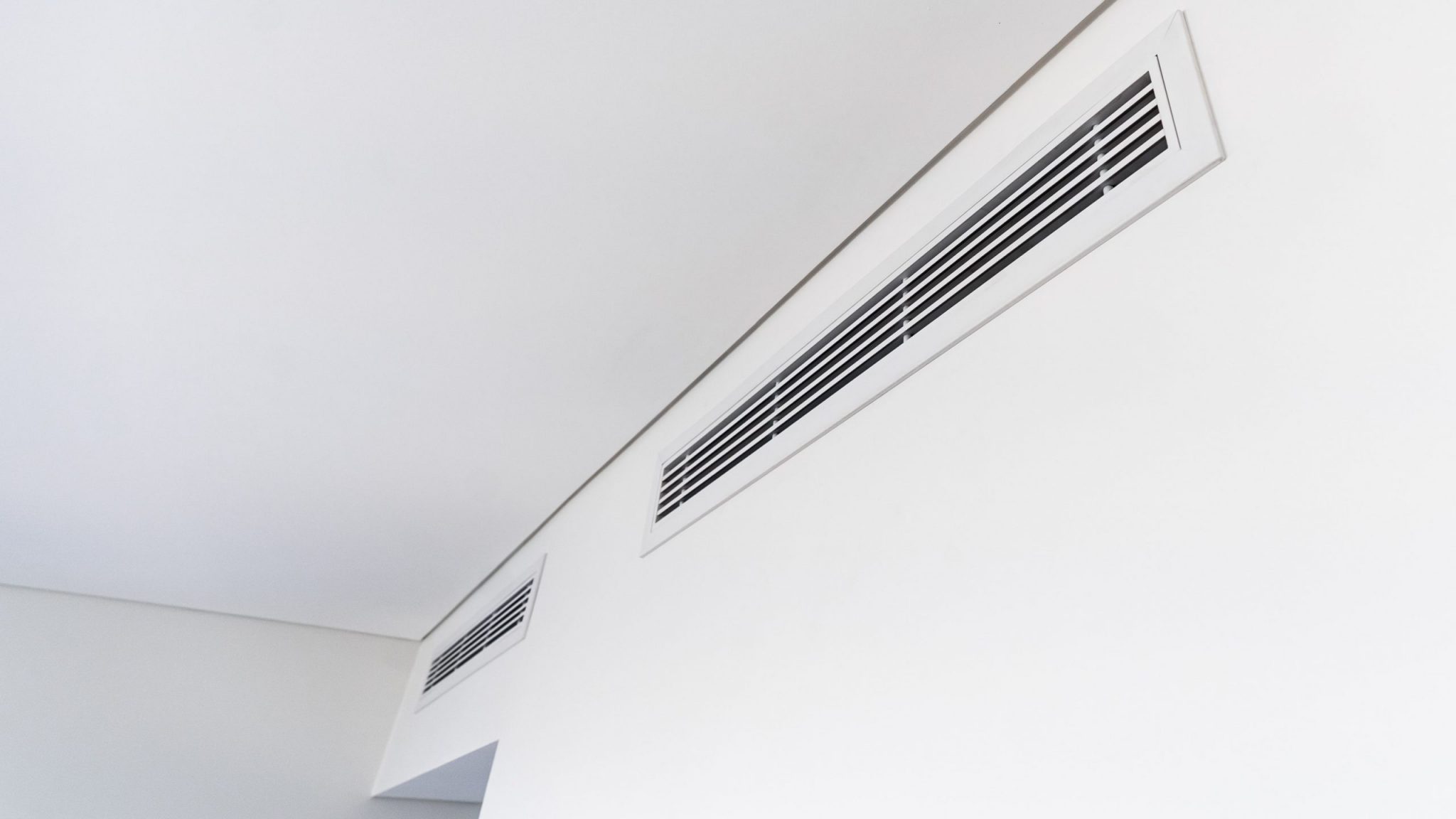
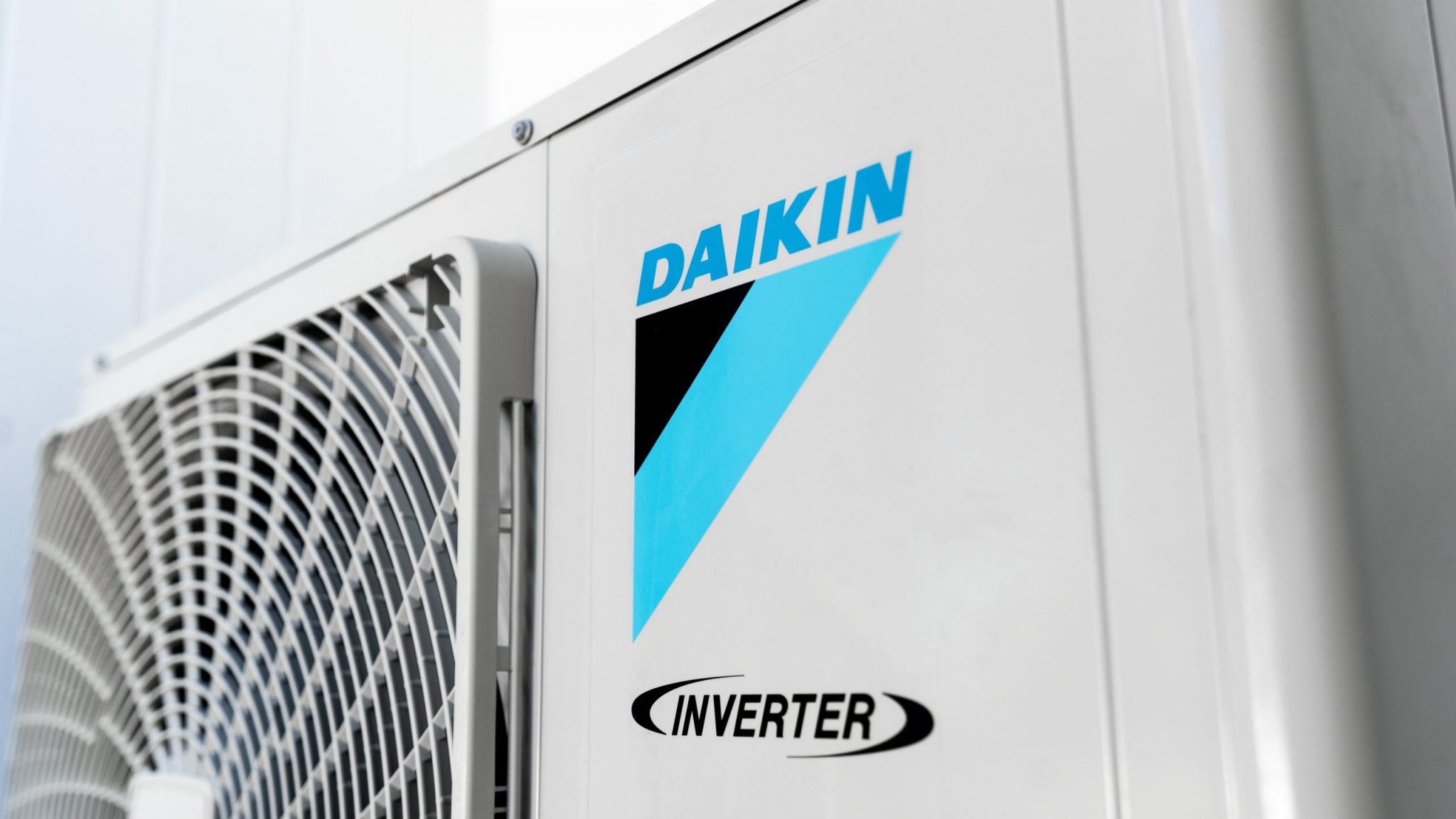
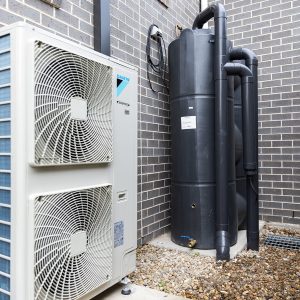
These screenshots help you visualise typical ducted finishes and outdoor unit setups when planning upgrades.
YouTube embeds (education)
These are general education videos to help you understand efficiency, comfort control, and upgrade thinking.
Swap them with KYC TV embeds if you prefer.
Verifiable 2026-only customer proof (KYC Air Conditioning Sydney)
These short excerpts are published on KYC’s dated 2026 content (proof page linked below for verification).
January 2026: “…cut our summer electricity bills by $230 per month. Absolutely game-changing!” — Sarah M.
March 2026: “…savings were immediate… $400+ over a three-month quarter.” — Michael P.
Verify on the dated 2026 source page:
KYC 2026 proof page (dated)
.
E-E-A-T bio (publisher)
This guide is published in the voice of
KYC Air Conditioning Sydney,
providing air conditioning installation, repairs, maintenance, and ducted solutions across Sydney.
Our focus is clear advice, correct sizing, neat installation, and support that holds up after the job is done.