How much does it really cost to run ducted air conditioning during a Sydney summer with 2025/2026 electricity prices?
How much does it cost to run ducted air conditioning during a Sydney summer? The honest answer is usually about $1 to $3.60 per hour for many Sydney homes, but it can climb fast when you cool the whole house during peak tariff windows. For a typical 4-bedroom setup, the real summer bill can land anywhere from roughly $560 to $1,500+, depending on zoning, runtime, insulation, and whether your electricity plan is single-rate or time-of-use.
If you already have ducted air conditioning Sydney homeowners often love the comfort. What shocks people is not the system alone. It is the combination of how many zones run, how many hours it runs, and what your Sydney electricity tariff charges during summer afternoons.
At KYC Air Conditioning, the real-world pattern across Sydney homes is simple: the homes with the best running costs are usually the ones with a good zone plan, sensible summer setpoints, and a system that was sized and commissioned properly from the start.
Sydney summer air conditioning electricity cost
zoned ducted air conditioning
time-of-use electricity Sydney
Typical Sydney summer cost bands
$1.00–$3.57 / hour
Based on roughly 2.5–5.5 kWh per hour and Sydney/Ausgrid-style 2025 tariff examples.
What you are really buying with ducted air conditioning Sydney homes use
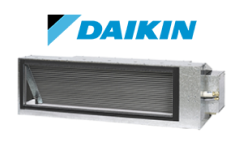
This is not a product-box review in the usual sense. For reverse cycle ducted air conditioning, the real package is the indoor unit, outdoor unit, duct layout, controller, zoning, insulation, grilles, and the installer’s design choices. That is why two homes with the same brand can have very different cooling cost outcomes.
What’s in the “box”
Indoor fan coil, outdoor condenser, ducts, return air, zone dampers, controller, grilles, drain, electrical work, and commissioning.
Key specs that matter
Input power, zoning, duct insulation, room balance, controller logic, and how much of the house you cool at once.
Who it is for
Families, larger homes, terraces with multiple rooms, and people who want whole-home comfort instead of room-by-room cooling.
KYC’s Sydney guidance lines up with what many homeowners learn the hard way: zoning is the number-one running-cost lever. That matters for anyone comparing ducted vs split system running cost Sydney, whole-home air conditioning cost per day Sydney, or ducted reverse cycle air conditioning running costs.
Why design quality changes ducted air conditioning power consumption
A ducted system can look clean and simple from the room side. The hidden parts are what decide whether your summer bill feels fair or painful. Poorly planned duct runs, thin insulation, bad return-air placement, and weak zone design all push the system to work harder.
I have seen the same pattern across Sydney homes for years: one family says ducted air conditioning is amazing and reasonable to run; another says it crushed their bill. The difference is often not the logo on the unit. It is the design and habits.
- Visual appeal: discreet ceiling grilles, cleaner walls, better whole-home look than multiple wall splits.
- Materials: duct insulation, grille quality, damper hardware, controller quality, roof-space workmanship.
- Usability: easy zone names like “Living”, “Beds”, “Whole Home” beat confusing menus.
- Durability: good commissioning helps prevent constant overwork, poor airflow, and noisy outlets.
Real Sydney example
In a 4-bedroom Sydney home, one extra bad habit can blow the budget: cooling empty rooms from mid-afternoon through evening on a time-of-use electricity Sydney plan.
That is why good installers now talk about zone strategy, not just equipment size. KYC’s own 2026 ducted content leans hard into this point because it changes air conditioning in Sydney cost more than many people expect.
multi-zone cooling electricity use
ducted system efficiency rating
Ducted air conditioning running cost Sydney: the numbers that matter most
For most homeowners, the only formula you need is this:
That means if your ducted system uses 4.0 kWh in an hour and your energy rate is 40.183 cents per kWh, that hour costs about $1.61 in usage alone. Run that same hour during a higher summer peak window on a time-of-use plan and it can jump to roughly $2.60.
Primary job
Cool the house evenly, quietly, and without forcing you to overrun every room.
Typical use band
2.5–5.5 kWh/hour is a practical Sydney guide for zoned-to-whole-home ducted summer operation.
6 hours/day over 90 days
That is where a Sydney summer bill starts to feel real, so that is the benchmark used below.
| Scenario | Estimated kWh / hour | Single-rate cost / hour | Peak cost / hour | 6-hour day incl. supply | 90-day summer estimate |
|---|---|---|---|---|---|
| Bedrooms only / light zoning | 2.5 | $1.00 | $1.62 | $7.12 | $640.54 |
| Typical 4-bedroom home / mixed zones | 4.0 | $1.61 | $2.60 | $10.73 | $966.02 |
| Whole-home heatwave mode | 5.5 | $2.21 | $3.57 | $14.35 | $1,291.50 |
Interactive ducted air conditioning running cost calculator
Use this for a rough Sydney guide. It will not replace a bill audit, but it is good enough to show why some homes feel fine and others get bill shock.
Category 1: Tariff timing
On a residential electricity tariff Sydney single-rate plan, each kWh costs the same. On time-of-use, hot afternoon cooling can become the expensive part of your day.
Category 2: Active zones
Does zoning reduce ducted air conditioning costs? Usually yes, when you truly shut off unused areas instead of running the whole house anyway.
Category 3: Setpoint discipline
The best temperature to run ducted AC in summer is usually a stable, realistic comfort setting. Chasing instant cold often means longer runtime, not faster comfort.
Daily life with reverse cycle ducted air conditioning in Sydney
The best user experience is not “blast the house at 18°C and hope for the best.” It is calmer than that. Good ducted systems feel easy. You walk in, choose the right zone, leave the temperature sensible, and the house settles down.
A common Sydney story goes like this: the family runs living areas after school, then switches to bedrooms in the evening. That single habit can make a huge difference to ducted air conditioning bill increase NSW worries.
- Setup: easy when the installer explains zone logic clearly.
- Daily use: best when zone names match how the home is actually lived in.
- Learning curve: short for single-rate plans, slightly longer for time-of-use plans.
- Controls: simple schedules and Wi-Fi control help stop accidental all-day running.
Simple summer routine that works
- Close blinds before the house heats up.
- Start cooling earlier, not colder.
- Use “Living” zones in the day and “Bedrooms” at night.
- Do not overcool empty rooms.
- Keep filters and return-air paths clear.
That is the practical answer to “how to reduce air conditioning electricity bill” for many Sydney homes.
Ducted vs split system running cost: what Sydney homeowners need to know
If your goal is the cheapest way to cool a house in Sydney, a split system cooling one main room is usually cheaper to run than whole-home ducted cooling. But that is not a fair one-for-one comfort comparison. Ducted is selling a different outcome: whole-home comfort, cleaner aesthetics, and better zone control across multiple rooms.
| Comparison point | Ducted air conditioning | Split system |
|---|---|---|
| Best use case | Whole-home cooling with zone flexibility | One room or a small area |
| Typical running cost | Higher when cooling many rooms | Lower for single-room cooling |
| Visual finish | Cleaner look, less wall clutter | Visible indoor heads |
| Control strategy | Strong when zoning is used well | Simple room-by-room control |
| When to choose it | Family homes, terraces, multiple bedrooms, premium comfort | Budget-first or one-area cooling |
So, is ducted air conditioning expensive to run? It can be. But in a real Sydney family home, the better question is: what comfort are you trying to buy? If you want one room cool, split wins on running cost. If you want the house to feel evenly livable, ducted can be the smarter lifestyle choice.
What we loved, and where Sydney summer bills can go wrong
What we loved
- Excellent whole-home comfort when sized and zoned properly.
- Cleaner look than multiple wall-mounted systems.
- Flexible zoning makes energy efficient cooling for Sydney homes realistic.
- Smart controls can seriously improve ducted vs split system efficiency conversations.
- Works well for families that use different parts of the home at different times.
Areas for improvement
- Whole-home peak-hour cooling can hit hard on time-of-use plans.
- Bad zoning turns a premium system into an expensive habit.
- Older Sydney homes with poor insulation can force longer runtime.
- People often underestimate how much filters, return air, and settings affect cost.
- The wrong installer can create a long-term comfort and bill problem.
What changed with 2025/2026 electricity prices and smarter ducted controls
Electricity price pressure
Sydney and NSW households entered 2025/2026 with higher electricity pressure, especially on standing offers and peak windows. That makes control habits more important than ever.
Smarter control
Newer Wi-Fi controllers and schedule logic make pre-cooling, zone switching, and “don’t cool empty rooms” routines much easier.
Government incentive context
For upgrades, NSW incentive pathways can lower upfront replacement cost for efficient systems. That does not erase running cost, but it changes the upgrade maths.
This is the 2026 shift in one sentence: running cost is now a design-and-behaviour issue, not just a hardware issue.
Best for, skip if, and alternatives to consider
Best for
Families, 3–5 bedroom homes, people who want central air conditioning in Sydney, and owners who value a clean finish plus room-by-room control.
Skip if
You only ever need one room cooled, hate using zones, or are chasing the absolute lowest running cost with no interest in whole-home comfort.
Alternatives
Split systems for single rooms, multi-splits for select rooms, and in some cases portable air conditioning in Sydney as a temporary option.
Where Sydney homeowners should actually buy ducted air conditioning
For ducted systems, “where to buy” really means “who should design, quote, install, and support it.” This guide is limited to KYC Air Conditioning.
Trusted local path
KYC Air Conditioning
Suite 206 Level 2/71 Belmore Rd, Randwick NSW 2031
0484 59 59 59
Use these related KYC resources to go deeper before you buy:
What to watch for in any ducted quote: zone count, airflow balance, duct insulation, return-air design, controller simplicity, access issues, and whether the installer explains how to run it on your tariff.
Final verdict: how much does it cost to run ducted air conditioning during a Sydney summer?
9.1 / 10
For comfort, finish, and whole-home livability. Not for being the cheapest possible way to cool one room.
Bottom line: for many Sydney homes, the cost to run ducted AC in summer lands somewhere between about $7 and $14+ per day once you include real runtime and supply charges. But with better zoning and smarter use of time-of-use windows, the same house can often feel much more affordable.
Relevant screenshots, videos, cost proof, and strictly 2026-only testimonials
Residential AGL NSW standing-offer table for the Ausgrid zone shows a single rate around 40.183c/kWh, daily supply charge around $1.09/day, and time-of-use peak around 64.878c/kWh.
The Australian Energy Regulator’s 2025–26 Default Market Offer confirms the reference-price framework for NSW and took effect from 1 July 2025.
2026 testimonial 1
“KYC were professional and installed our ducted system perfectly… Highly recommended…”
Amy Sarra — 12 Jan 2026
2026 testimonial 2
“Prompt, thorough, great work ethic. Highly recommended.”
Anthony Lieberman — 21 Jan 2026
2026 testimonial 3
“Helpful, affordable and did a fantastic job! Really quick turnaround too…”
Amy Sarra — 22 Jan 2026
2026 testimonial 4
“Very happy… local business… supportive with advice and a short turnaround…”
Brae Mort — 3 Feb 2026
Long-term update checklist
- Are you using zones every day, not “whole house always”?
- Are bedroom schedules doing the heavy lifting at night?
- Did your filters stay clean during summer?
- Are you seeing bill spikes on peak tariff days?
- Do some rooms still feel weak or noisy and need balancing?
One final Sydney anecdote
A lot of families assume a lower setpoint saves time. It usually does not. It often just extends the runtime. The best results tend to come from earlier starts, sensible setpoints, and fewer active zones. That is the real answer behind many searches for how much does air con add to electricity bill and cost to run ducted AC all day during heatwave in Sydney.