Condensation and mould in roof spaces are common issues faced by homeowners in Sydney. One of the primary causes of this problem is the improper installation or maintenance of ducted air conditioning systems.

When air conditioning systems are not correctly installed or maintained, they can lead to moisture accumulation in the roof space, resulting in mould growth and potential structural damage. We will explore the importance of addressing this issue and provide guidance on how to prevent moisture-related problems in your home.
Key Takeaways
- Understanding the causes of condensation and mould in roof spaces
- The importance of proper installation and maintenance of ducted systems
- Steps to prevent moisture-related issues in your home
- Best practices for air conditioning in Sydney climate
- How to identify potential problems early
Understanding the Condensation Problem in Sydney Homes
Sydney’s humid climate poses significant challenges for homeowners, particularly when it comes to managing condensation in roof spaces. As we explore the condensation problem in Sydney homes, it’s essential to understand the factors contributing to this issue.

Sydney’s Humid Climate and Its Impact on Roof Spaces
Sydney’s climate is characterized by high humidity levels throughout the year, which can lead to moisture accumulation in roof spaces. This moisture can cause condensation on ducted air conditioning systems, particularly if they are not properly insulated or maintained. Homeowners in Sydney should be aware of the risks associated with condensation, including mould growth and damage to their property.
To mitigate these risks, it’s crucial to understand how Sydney’s humid climate affects roof spaces. The warm, moist air can seep into roof cavities, causing condensation on cooler surfaces like air conditioning ducts. Regular maintenance of ducted air conditioning systems, such as those provided by Daikin ducted air conditioning Sydney experts, can help prevent condensation issues.
The Science Behind Condensation Formation in Air Conditioning Systems
Condensation forms when warm, moist air comes into contact with a cooler surface. In the case of ducted air conditioning systems, the cold air inside the ducts can cause the surrounding air to condense on the ductwork. This condensation can lead to water damage, mould growth, and reduced system efficiency.
Understanding the science behind condensation formation is key to preventing it. By ensuring proper insulation, regular maintenance, and efficient system design, homeowners can minimize the risk of condensation-related problems. Professional services for ducted air conditioning repair Sydney can also help identify and address potential issues before they become major problems.
Ducted Air Conditioning Sydney: System Types and Moisture Risks
The humid climate in Sydney makes ducted air conditioning a necessity, but it also poses moisture-related risks. As we explore the different types of ducted air conditioning systems used in Sydney properties, it’s essential to understand their configurations and how they manage condensation.
Common ducted system configurations in Sydney properties
In Sydney, ducted air conditioning systems are typically configured to suit the local climate and housing structures. Common configurations include zoned systems, which allow for temperature control in different areas of a property, and high-duct systems, which are designed for larger homes or those with complex layouts. These configurations are designed to optimize cooling efficiency while minimizing energy consumption.
How different brands and models manage condensation
Different brands and models of ducted air conditioning systems employ various strategies to manage condensation. Some systems use condensate pumps to remove excess moisture, while others rely on gravity-fed drainage systems. For instance, some ducted air conditioner models are designed with built-in condensate management systems, which help to reduce the risk of moisture accumulation. When selecting a ducted air conditioning system, it’s crucial to consider its condensation management capabilities.
Daikin ducted air conditioning systems and moisture management
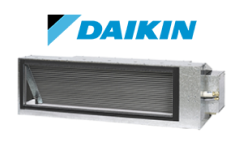
Daikin is a well-known brand in the ducted air conditioning market, particularly in Sydney. Daikin ducted air conditioning systems are designed with advanced moisture management features, including high-efficiency condensate drainage and intelligent system controls. These features help to minimize the risk of condensation-related issues, ensuring a more comfortable and healthier indoor environment. Regular maintenance, including repair ducted air conditioner services, is also essential to maintaining the system’s performance and preventing moisture-related problems.
By understanding the different configurations and moisture management strategies employed by various ducted air conditioning systems, Sydney homeowners can make informed decisions when selecting and maintaining their systems. This knowledge can help mitigate moisture-related risks and ensure optimal system performance.
Identifying Signs of Condensation and Mould in Your Roof Space
When using ducted air conditioning in Sydney, it’s crucial to monitor your roof space for signs of condensation and mould. This vigilance is necessary because the humid Sydney climate can exacerbate moisture-related issues in roof spaces.
Early Warning Signs of Moisture Problems
Early detection is key to preventing extensive damage. Look out for increased energy bills, as they can indicate that your ducted air conditioning system is working harder due to moisture issues. Additionally, a musty smell in your home, especially when the air conditioning is operating, can be a sign of mould growth in the roof space.
Visual Indicators of Duct Condensation Issues
Visual inspections are crucial. Check your roof space for water droplets or ice forming on the ducts, especially during colder months. Stains or discolouration on the ceiling or walls can also indicate condensation issues. Furthermore, inspect the insulation around your ducts for signs of dampness or mould.
Health Implications of Roof Space Mould
Mould in the roof space can have significant health implications. Spores can be circulated throughout your home via the ducted air conditioning system, potentially exacerbating respiratory issues like asthma. Regular checks can help identify mould before it becomes a serious health concern.
By being aware of these signs and taking prompt action, you can mitigate the risks associated with condensation and mould in your roof space, ensuring a healthier and more efficient ducted air conditioning system.
DIY Solutions to Prevent Condensation in Ducted Systems
Sydney residents can reduce the risk of condensation in their ducted air conditioning systems by applying a few practical DIY strategies. By improving insulation, enhancing roof ventilation, and correctly installing moisture barriers, homeowners can significantly mitigate moisture-related issues.
Improving Insulation around Ducting
Proper insulation around ducting is crucial in preventing condensation. Ensure that all ducts are wrapped with high-quality insulation material to minimize heat transfer and reduce the likelihood of moisture accumulation. It’s also essential to inspect the insulation regularly for signs of damage or wear.
Enhancing Roof Ventilation Strategies
Adequate roof ventilation plays a vital role in managing condensation. Homeowners can improve ventilation by installing additional vents or ensuring that existing vents are clear of obstructions. This helps to reduce the moisture levels in the roof space, thereby decreasing the risk of condensation on ducted air conditioning systems.
Moisture Barriers and Their Correct Installation
Installing a moisture barrier is another effective DIY solution. The barrier should be installed on the warm side of the insulation to prevent moisture from entering the roof space. It’s crucial to follow the manufacturer’s instructions and ensure a tight seal around all penetrations to maximize the effectiveness of the barrier.
By implementing these DIY solutions, Sydney residents can effectively reduce the risk of condensation in their ducted air conditioning systems. Regular maintenance and inspections are also recommended to ensure the longevity and efficiency of the system. For persistent issues, consider consulting professionals specializing in ducted air conditioning repair sydney.
Professional Maintenance and Repair Services
Ducted air conditioning systems require regular upkeep to prevent issues such as condensation and mould. In Sydney’s humid climate, maintaining your system is not just about efficiency; it’s also about preventing potential health hazards. We recommend engaging professional maintenance and repair services to ensure your system operates optimally.
When to Call for Ducted Air Conditioner Repair Specialists
If you notice any unusual noises, reduced airflow, or increased energy bills, it’s time to call in the experts. Specialists in daikin ducted air conditioning Sydney can diagnose and fix issues before they escalate. Whether it’s a minor repair or a complex problem, professionals have the tools and expertise to get your system running smoothly.
Don’t wait until your system breaks down completely. Early intervention can save you money and extend the lifespan of your ducted air conditioning system.
Seasonal Maintenance Schedule for Sydney’s Climate
Sydney’s climate varies significantly across seasons, making a seasonal maintenance schedule crucial. Before the hot summer months, ensure your system is inspected and serviced. Similarly, a check before winter can help identify any issues that may have developed during the previous season. Regular maintenance can help prevent condensation-related problems.
What to Expect During Professional Ducted Air Conditioner Installation
When installing a new ducted air conditioning system or replacing an old one, you can expect a thorough assessment of your home’s cooling needs. Professionals will evaluate factors such as insulation, window orientation, and room layout to recommend the most suitable system. For those in Sydney, experts in repair ducted air conditioner services can also provide guidance on maintaining your new system.
By understanding what to expect and when to seek professional help, you can ensure your ducted air conditioning system remains efficient and effective.
Conclusion
To prevent condensation and mould issues in Sydney roof spaces, it’s crucial to understand the risks associated with ducted air conditioning systems. As discussed, the humid climate in Sydney can significantly impact roof spaces, leading to moisture-related problems.
By implementing DIY solutions such as improving insulation around ducting, enhancing roof ventilation strategies, and correctly installing moisture barriers, homeowners can significantly reduce the risk of condensation. Regular maintenance and timely repairs of ducted air conditioner units are also vital in preventing moisture buildup.
Professional maintenance and repair services play a critical role in ensuring the optimal performance of ducted air conditioning systems. By scheduling seasonal maintenance and addressing any issues promptly, homeowners can protect their properties from the damaging effects of condensation and mould.
By taking proactive steps to manage condensation and mould, homeowners can enjoy a healthier and more energy-efficient living environment. Effective management of ducted air conditioning systems is key to maintaining a dry and secure roof space.