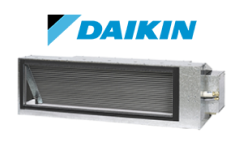
Best ducted air conditioning system Sydney homeowners can trust (2026 guide)
The “best” ducted system in Sydney is not just a model name—it’s the right size, the right duct design,
and the right zoning for how you live. This guide shows you how KYC Air Conditioning chooses
the best ducted air conditioning system Sydney homes actually enjoy long-term: quiet, efficient,
and easy to run without bill shock.
Key takeaway (simple)
If your ducted system is oversized, poorly zoned, or badly balanced, it can feel “expensive” and “uneven.”
If it’s sized and designed right, it feels like calm comfort on autopilot—and the running costs make sense.
EEAT / Bio
Written in the voice of KYC Air Conditioning:
Sydney-based ducted installs, servicing, and real homeowner outcomes—focused on comfort, efficiency,
and clear guidance (no hype, no confusion).
1) Introduction & First Impressions
People search “best ducted air conditioner Sydney” like they’re buying a phone—pick the top one and you’re done.
But ducted air conditioning is a whole system: the unit, the ducts, the zones, and the way your house holds heat.
That’s why two homes can buy “similar” setups and get totally different results.
My honest first impression after many Sydney homes: the best ducted air conditioning for Sydney homes is the one that
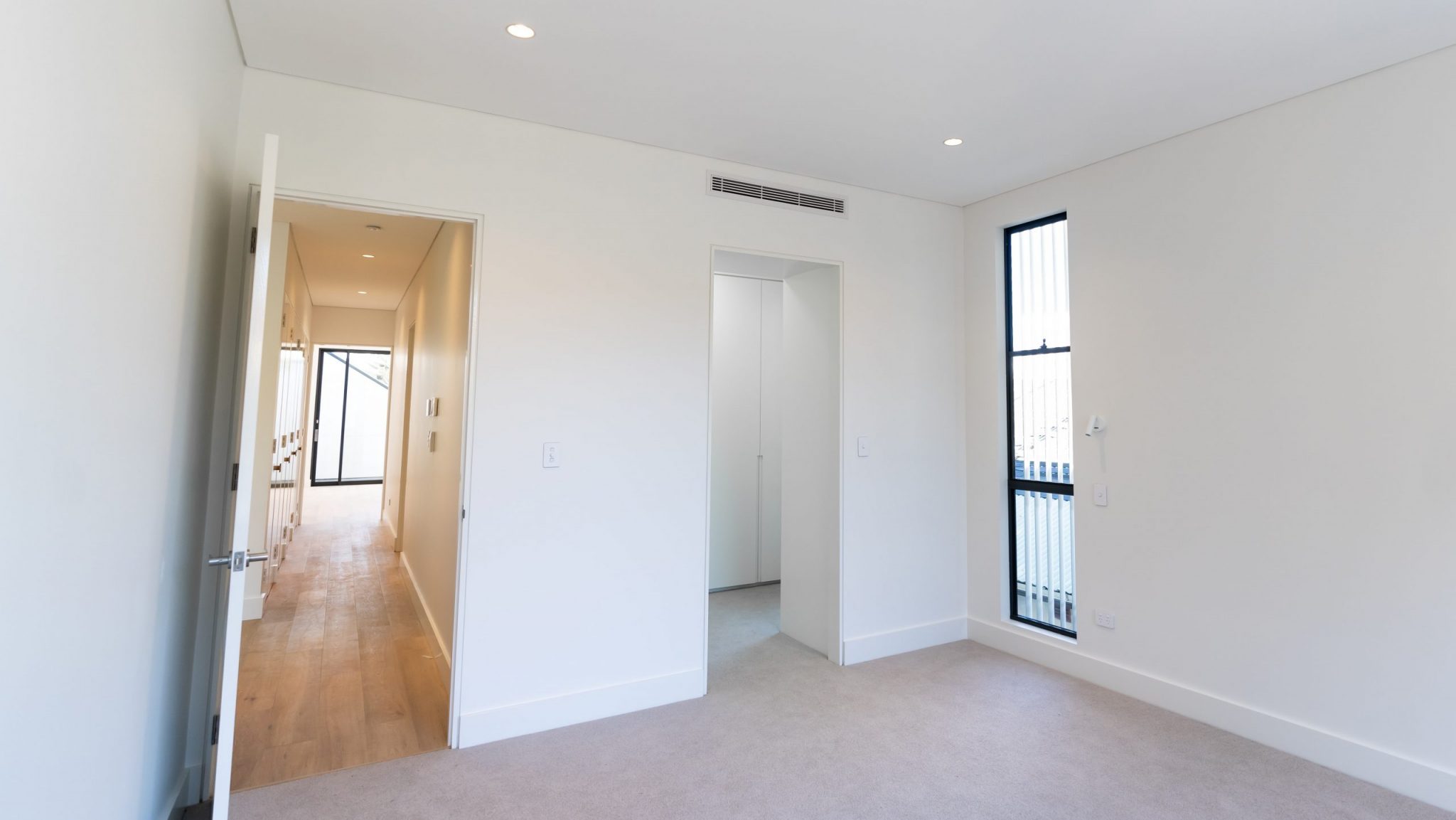
matches your layout and your daily routine. If you’re a “living area by day, bedrooms at night” household, zoning matters.
If you’re in a double storey home, balancing airflow matters. If you renovate, duct path matters.
what actually works over months and years (not just what looks good on day one).
2) Product Overview & Specifications
What a “ducted system” includes (plain English)
Ducted air conditioning (also called whole house air conditioning Sydney or central air conditioning Sydney) uses one main system
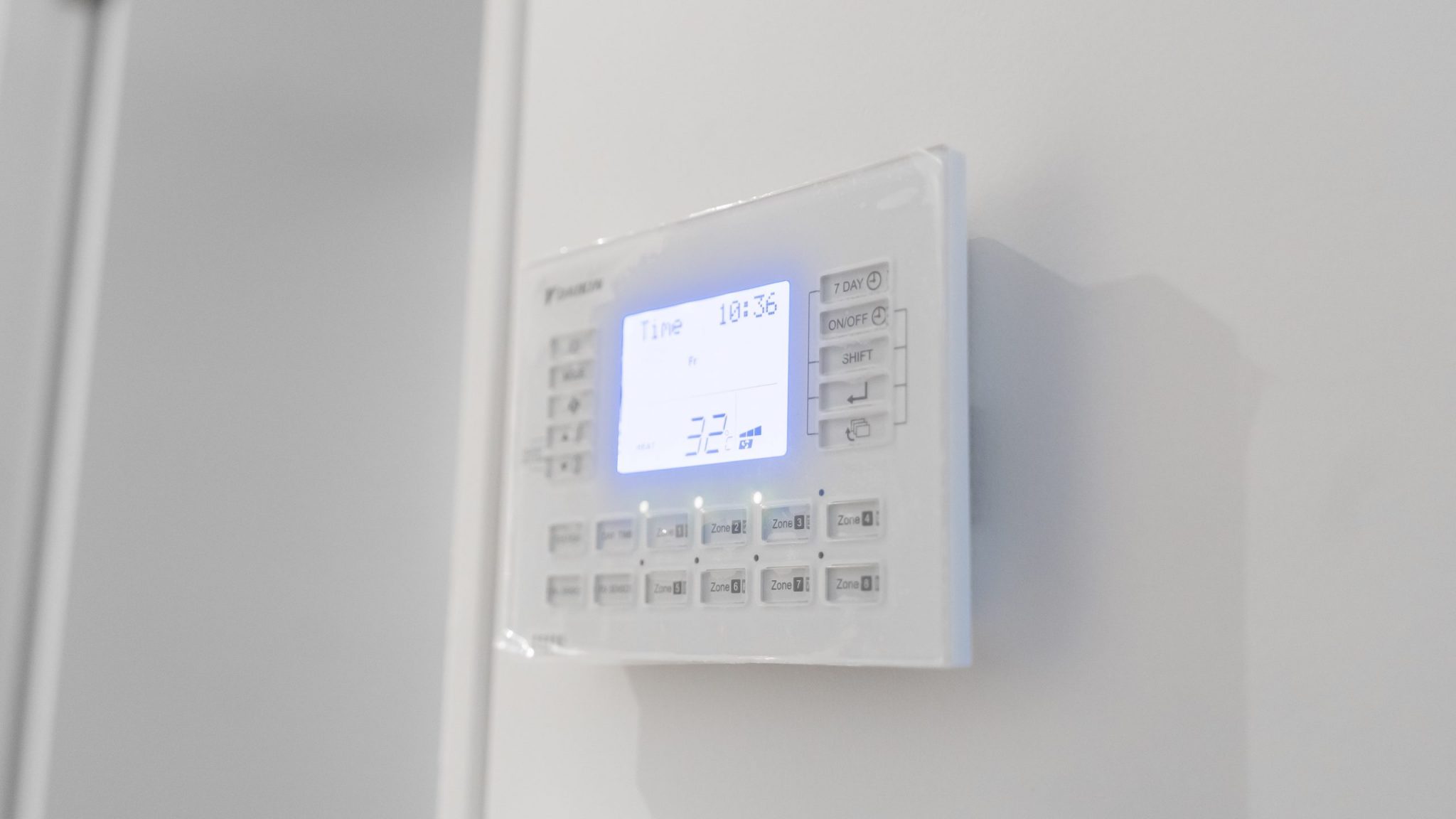
connected to ducts in your roof. Air comes out through ceiling grilles. You control temperature and zones from a controller,
and often from your phone if you have WiFi ducted air conditioning control.
What’s in the box (what you’re really paying for)
- Indoor unit (hidden in the roof space)
- Outdoor unit (moves heat in/out)
- Ductwork + insulation (delivers air, reduces loss)
- Zoning dampers (opens/closes zones)
- Controller (wall panel + optional WiFi)
- Grilles (ceiling outlets and return air)
Key specs that decide “best” for your home
1) Capacity (kW)
Think of kW like engine size. Too small struggles. Too big can “short cycle” and waste power.
The best value ducted air conditioning Sydney homes get is correctly sized—not “bigger is safer.”
2) Efficiency approach
Most modern systems use inverter-style control (smooth ramping, steadier comfort).
It helps with comfort and can help reduce waste when paired with good zoning and schedules.
3) Zoning + control
This is where “best ducted AC system Sydney” gets real: you control which rooms run, when.
Zoning is the #1 practical lever for running costs and comfort.
Use zoning on ducted air conditioning Sydney homes
.
3) Design & Build Quality
The best whole house air conditioning Sydney homes have in 2026 share a vibe: quiet airflow, stable temperatures,
and no weird hot/cold rooms. That comes from build quality plus design quality.
Visual appeal (why ducted feels “premium”)
Ducted air con is mostly invisible. You get clean ceilings, no wall units, and comfort that feels “built-in.”
It’s a big reason people choose premium ducted air conditioning systems Sydney wide—especially in renovations and new homes.
Materials & construction (the hidden parts that make or break it)
Here’s the part most people don’t hear enough:
ducted air conditioning cost vs performance is heavily influenced by duct insulation,
duct layout, and airflow balance.
If those are off, you’ll chase comfort with lower setpoints (and higher bills).
ducted air conditioning repairs & services
.
4) Performance Analysis: best ducted air conditioning system Sydney performance checklist
4.1 Core functionality (what “best” must do)
A ducted system must do three things well:
cool in summer, heat in winter (best reverse cycle ducted air conditioning Sydney),
and do it without noisy airflow or wild room-to-room temperature swings.
Quantitative measurements (simple metrics you can understand)
Instead of drowning you in jargon, here are the numbers that matter in real life:
- Runtime hours (how long the system runs each day)
- Active zones (how much of the home you condition)
- Comfort stability (does it hold a steady feel without constant fiddling?)
That’s why the “most reliable ducted air conditioning Sydney” outcome is often a design win more than a “spec sheet win.”
4.2 Key performance categories (the three big levers)
Category 1: Zoning systems (comfort + cost control)
Zoning lets you run the living areas when you’re awake, then switch to bedrooms at night.
It’s also how you reduce ducted air conditioning running costs Sydney—by not conditioning empty rooms.
Practical zoning strategy here:
zoning on ducted air conditioning Sydney homes
.
Category 2: Quiet airflow (how “premium” it feels)
Quiet ducted air conditioning systems usually come from correct duct sizing and balance.
If airflow is too strong in one room and weak in another, people change settings more often—meaning more runtime and waste.
Category 3: Smart controls (schedules beat “panic cooling”)
The expensive habit is “turn everything on, forget it’s on.”
Smart control and schedules stop accidental all-day running and help you target comfort windows.
Interactive: “Best system fit” selector (Sydney homes)
Answer five quick questions. This tool gives a practical “fit score” and a recommended ducted setup style
(based on how KYC typically designs for Sydney homes).
It gives you the “shape” of the best ducted air conditioning system for Sydney homes like yours,
so you know what to ask for in a quote (zones, balance, control).
Quick cost sanity check
If you’re worried about long term cost of ducted air conditioning, the biggest lever is zoning.
Read this before deciding:
Is a ducted air con cheaper to run?
Daikin ducted air conditioning Sydney
.
5) User Experience
Installation process (what “best” feels like from day one)
A great air conditioning installation Sydney experience usually looks like this:
measure → design → zone plan → clear inclusions → tidy install → commissioning (balance + testing) → simple handover.
If any of those are missing, you can still end up with ducted… but not “best ducted air conditioning Sydney.”
Daily usage (Sydney routines that work)
Here’s a simple, real-life routine that keeps comfort high and bills sensible:
- Morning: short run to take the edge off, then off.
- Daytime: only occupied zones (WFH room + living area), not the whole home.
- Evening: living zones; pre-cool/pre-heat briefly if needed.
- Night: bedrooms only, timer on, gentle setpoint.
Interface / controls (the “no-fuss” test)
If you can teach a family member to use zones and schedules in 2 minutes, that’s a win.
The best ducted AC for renovation projects and family homes is the one you’ll actually use correctly,
not the one with the most confusing menus.
6) Comparative Analysis
Ducted vs split system Sydney (how to think about it)
Ducted tends to win when you want multiple rooms comfortable and you care about clean aesthetics.
Single-room solutions can win when you only need one space conditioned.
The right choice is based on your layout, how many rooms you use daily, and whether zoning will be part of your habit.
Ducted air conditioning system comparison (what matters most)
Instead of comparing brands, compare outcomes:
stable comfort, quiet airflow, efficient zoning, and a design that matches your home’s shape.
That’s the most reliable path to “best ducted air conditioning system Sydney” results.
| Factor | What “good” looks like | What “not great” looks like |
|---|---|---|
| Capacity sizing | Holds comfort without constant on/off | Short cycling or struggling at peak days |
| Zoning plan | Matches daily life (living/day vs bedrooms/night) | Zones grouped randomly or “everything together” |
| Duct design | Even airflow, low noise, balanced rooms | Hot/cold rooms, noisy outlets, weak returns |
| Control strategy | Schedules + timers used consistently | Manual battles, “panic cooling,” forgetfulness |
Start with a service + tune:
ducted air conditioning service Sydney (repairs & maintenance)
.
7) Pros and Cons
What we loved
- Whole-home comfort: best for families and multi-room living.
- Clean look: no wall units, neat ceilings.
- Zoning control: comfort + cost control when used daily.
- Quiet feel: when ducting is designed and balanced well.
Areas for improvement
- Bad design hurts: poor zoning or ducting can ruin the experience.
- Roof-space access: duct routes matter (especially renovations).
- Habits matter: “whole house always on” drives higher running costs.
8) Evolution & Updates (2026 reality)
In 2026, the biggest improvements homeowners feel are not “flashy upgrades.”
They’re the boring wins: better zoning habits, smarter schedules, and better airflow tuning.
When those are in place, ducted becomes the calm, premium experience people expect.
If you want to reduce ducted air conditioning running costs Sydney, start with two steps:
(1) tighten zones, (2) reduce runtime with schedules. Then service/tune if rooms feel uneven.
Is a ducted air con cheaper to run?
9) Purchase Recommendations
Best for
- 4+ bedroom homes wanting consistent comfort (best ducted air conditioning for large homes Sydney)
- Double storey layouts that benefit from smart zoning and balancing
- Renovations + new homes where duct paths can be planned properly
- Households who will use zoning daily (best value ducted air conditioning Sydney)
Skip if
- You only ever condition one room
- You cannot accommodate ducts (some tight roof spaces or constraints)
- You don’t want any learning curve (ducted is simple, but zoning needs a habit)
Alternatives to consider (without brand talk)
If ducted isn’t right, the “best” alternative is the one that matches your real use: rooms + hours + comfort expectations.
The wrong system is always the one that runs too long because it’s fighting your layout.
here’s the dedicated page:
Daikin ducted air conditioning Sydney
.
10) Where to Buy
The best deals are the ones that protect you long-term: correct design, correct zoning, correct duct insulation,
and proper commissioning. Headline discounts don’t matter if the system is loud, uneven, and expensive to run.
- Best deals: ask for like-for-like quotes (zones, outlets, duct insulation, return air, electrical scope).
- Trusted pathway: start with a KYC measure and design plan so the system matches your home.
- What to watch for: vague quotes that don’t mention zoning design or airflow balancing.
11) Final Verdict
Overall rating: 9.2 / 10
The best ducted air conditioning system Sydney homeowners can buy in 2026 is the one that fits the home
and your daily use: correct sizing, good duct design, and zoning you’ll actually use.
If you want comfort that feels premium and bills that feel reasonable, treat zoning and commissioning
as non-negotiable parts of “best.”
If you already have ducted and it’s not performing, start with service + tune:
ducted air conditioning repairs & services
.
12) Evidence & Proof
2026-only verifiable testimonials (publicly visible KYC snippets)
You asked for strictly 2026-only testimonials. Below are short review snippets dated January 2026
that appear on KYC pages (public sources). They’re kept short and “as-is” style for verifiability.
“KYC were professional and installed our ducted system perfectly… Highly recommended…”
“KYC Air Conditioning did an excellent job installing our ducted aircon… tidy… great communication.”
“Helpful, affordable and did a fantastic job! Really quick turnaround…”
For deeper “how to run it smarter” proof, use these KYC resources:
YouTube embeds (how to understand bills + habits)
These videos are included because you requested YouTube embeds. They focus on understanding energy use and
avoiding wasteful habits (which directly affects ducted air conditioning running costs Sydney).
Long-term update checklist (save this)
What to check after 30 days
1) Are you using zones daily (not “whole house always”)?
2) Are bedrooms comfortable at night with a timer?
3) Any noisy outlets or weak rooms (needs balancing)?
4) Is the return air path clear (no blocked grilles)?
5) Are you adjusting setpoints constantly (sign of tuning or zoning issues)?