Living in Australia means we often face sweltering summers that make a reliable cooling system essential for our homes. Many homeowners dream of installing a whole-house solution, yet the ducted air conditioning cost remains a significant hurdle for most families.
We understand that looking at a price tag is only the beginning of your journey. It is easy to feel overwhelmed by the various components that influence the final ducted aircon cost, from unit size to complex installation requirements.
Our goal is to help you navigate these financial waters with confidence. We will break down the hidden factors that impact your budget, ensuring you make an informed decision for your property. By understanding these variables, you can plan your investment without any nasty surprises.
Key Takeaways
- Total pricing depends on the size of your home and the number of zones required.
- Installation labour often makes up a large portion of the final quote.
- Energy efficiency ratings can save you money on power bills over the long term.
- Regular maintenance is vital to keep your system running smoothly for years.
- Always obtain multiple quotes from licensed professionals to ensure a fair price.
Understanding Ducted Air Conditioning
To make an informed decision about your cooling system, it’s crucial to understand the basics of ducted air conditioning. Ducted air conditioning is a type of cooling system that involves a network of ducts installed throughout your home, providing a uniform cooling experience.
What is Ducted Air Conditioning?
Ducted air conditioning is a centralised cooling system that uses a series of ducts and vents to distribute cooled air throughout your home. This system is designed to provide a comfortable temperature in every room, eliminating hot spots and ensuring a consistent cooling experience.
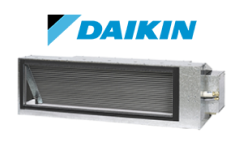
The system consists of an outdoor unit, which houses the compressor and condenser coil, and an indoor unit that contains the evaporator coil and fan. The cooled air is then distributed through the ductwork to various parts of the house.
How Does it Work?
The operation of a ducted air conditioning system is relatively straightforward. It works by drawing in warm air from the home, cooling it, and then redistributing the cooled air back into the living spaces. The process begins with the thermostat, which senses the temperature in the home and signals the system to cool the air.
The outdoor unit compresses the refrigerant, which is then pumped to the indoor unit. Here, the refrigerant absorbs heat from the indoor air, cooling it down. The cooled air is then blown through the ductwork and out into the various rooms via vents.
Advantages of Ducted Systems
Ducted air conditioning systems offer several key advantages over other cooling solutions. One of the primary benefits is their ability to provide a uniform cooling experience throughout the home. By distributing cooled air through a network of ducts, these systems can maintain a consistent temperature in every room.
Additionally, ducted air conditioning systems are often more aesthetically pleasing than other cooling solutions, as the ductwork and vents are typically hidden from view. This makes them an attractive option for homeowners who value a sleek and unobtrusive cooling system.
- Uniform cooling throughout the home
- Aesthetically pleasing, with hidden ductwork and vents
- Can be zoned to cool specific areas of the home
Factors Influencing Ducted Air Conditioning Cost
Understanding the various elements that impact the cost of ducted air conditioning is crucial for homeowners looking to invest in a system. The total expense can vary significantly based on several key factors.
Size of the Home
The size of your home is a critical determinant in the cost of a ducted air conditioning system. Larger homes require more powerful systems with greater capacity to cool or heat the space effectively. This typically means a higher upfront cost for the unit itself, as well as potentially higher installation costs due to the need for more extensive ductwork.
To give you a better idea, a larger home might require a system with a higher kilowatt (kW) rating. For instance, a system for a smaller home might be around 6-8 kW, while a larger home could require a system rated at 12 kW or more. The ducted air conditioning installation price will reflect these differences in system capacity.
System Efficiency Ratings
Another significant factor is the efficiency rating of the ducted air conditioning Sydney system. Systems with higher efficiency ratings tend to be more expensive upfront but can offer substantial savings on energy bills over time. The efficiency of a system is often measured by its Energy Star rating or its Coefficient of Performance (COP) for heating and Energy Efficiency Ratio (EER) or Seasonal Energy Efficiency Ratio (SEER) for cooling.
When selecting a system, it’s essential to balance the initial cost against the long-term energy savings. A more efficient system might have a higher purchase price, but it can reduce your energy consumption and lower your utility bills, potentially saving you money in the long run.
Brand and Model Pricing
The brand and model of the ducted air conditioning system you choose also play a significant role in determining the cost. Different brands offer varying levels of quality, features, and pricing. Premium brands often come with a higher price tag due to their reputation for reliability, advanced features, and potentially longer warranties.
When considering the average cost of ducted air conditioning, it’s crucial to research different brands and models. Some brands may offer more competitive pricing without compromising on quality or efficiency. We recommend comparing the features and prices of various models to find the best fit for your budget and needs.
Installation Costs for Ducted Air Conditioning
The total cost of owning a ducted air conditioning system is significantly influenced by installation expenses. A well-planned installation not only ensures the efficiency of the system but also affects the overall cost-effectiveness and longevity of the unit.
Professional Installation vs. DIY
When it comes to installing ducted air conditioning, homeowners often debate between hiring a professional and attempting a DIY installation. While the DIY approach might seem cost-effective initially, it can lead to complications down the line. “A poorly installed ducted air conditioning system can lead to reduced efficiency, increased energy bills, and even safety hazards,” warns industry experts.
Professional installation, on the other hand, ensures that the system is set up correctly, maximizing its performance and lifespan. Professionals can also provide valuable insights into the most suitable system for your home based on its size, layout, and insulation.
- Expert knowledge and experience
- Compliance with local building codes and regulations
- Warranty and after-installation support
Average Installation Prices
The cost of installing ducted air conditioning can vary widely based on factors such as the size of your home, the complexity of the installation, and the specific requirements of your ductwork. On average, homeowners in Australia can expect to pay between $2,000 and $5,000 for a professional installation.
To get an accurate ducted AC cost estimate, it’s advisable to consult with multiple HVAC professionals who can assess your home’s specific needs and provide detailed quotes.
Hidden Installation Fees
Beyond the initial installation quote, there may be additional costs to consider. These can include:
- Additional ductwork requirements
- Electrical upgrades to support the new system
- Insulation and sealing of ducts
Using a ducted air conditioning cost calculator can help you anticipate some of these costs, but it’s also crucial to ask your installer about any potential extras during the quoting process.
By understanding the full scope of installation costs, you can make a more informed decision and avoid unexpected expenses down the line.
Maintenance Costs to Consider
To get the most out of your ducted air conditioning system, it’s essential to consider the ongoing maintenance costs. Regular maintenance not only ensures the system operates efficiently but also prolongs its lifespan.
Routine Maintenance Expenses
Routine maintenance is crucial for preventing major issues with your ducted air conditioning system. This includes tasks such as:
- Cleaning or replacing filters every 1-3 months
- Inspecting and cleaning ducts annually
- Checking refrigerant levels and topping them up as necessary
These tasks can be performed by homeowners themselves or by hiring a professional. The cost of hiring a professional for routine maintenance can range from $100 to $300 per visit, depending on the complexity of the task and the service provider.
Common Repairs and Their Costs
Despite regular maintenance, ducted air conditioning systems may require repairs over time. Some common repairs and their estimated costs include:
- Replacing a faulty compressor: $500-$1,500
- Fixing leaks in the ductwork: $200-$500
- Replacing a malfunctioning thermostat: $200-$500
It’s essential to budget for these potential expenses to avoid being caught off guard when repairs are needed.
Importance of Regular Inspections
Regular inspections by a professional can identify potential issues before they become major problems. This proactive approach can save homeowners from costly repairs down the line. Moreover, regular inspections ensure that the system is running efficiently, which can lead to savings on energy bills.
Key benefits of regular inspections include:
- Early detection of potential issues
- Improved system efficiency
- Extended system lifespan
Energy Efficiency and Utility Costs
Optimizing your ducted air conditioning system’s energy efficiency can lead to substantial savings on your utility costs. As we explore this topic, we’ll examine how the efficiency of your system affects your monthly bills, decode the significance of Energy Star ratings, and provide actionable tips for reducing your energy expenses.
Monthly Bills and Efficiency
The efficiency of your ducted air conditioning Sydney system directly impacts your monthly utility bills. A system with high energy efficiency consumes less energy to achieve the same level of cooling as a less efficient model. This not only reduces your energy bills but also minimizes your environmental footprint. For instance, a system with a high Energy Star rating can save you a significant amount on your energy costs over time.
To understand the impact, consider that a more efficient system might cost a bit more upfront but can offer considerable savings in the long run. For example, upgrading to a system with a higher SEER (Seasonal Energy Efficiency Ratio) rating can lead to lower energy consumption and, consequently, lower bills.
Understanding Energy Star Ratings
Energy Star ratings are a crucial indicator of a ducted air conditioning system’s energy efficiency. These ratings are awarded to systems that meet specific energy efficiency standards set by the government. An Energy Star-rated system is more efficient and uses less energy than standard models, potentially saving you money on your utility bills.
When shopping for a ducted air conditioning system, look for the Energy Star label. This ensures that the system you’re purchasing has been tested and proven to be energy-efficient. Additionally, many governments offer rebates and incentives for installing Energy Star-rated systems, which can help offset the initial cost.
Reducing Your Energy Costs
There are several strategies to reduce your energy costs with a ducted air conditioning system. First, ensure your system is properly maintained. Regular maintenance can improve efficiency and prolong the system’s lifespan. Second, consider upgrading to a smart thermostat, which can optimize your cooling usage based on your schedule and preferences.
- Regularly clean and replace filters to maintain airflow and efficiency.
- Use zoning systems to cool only the areas of your home that are in use.
- Invest in a programmable thermostat to optimize your cooling schedule.
By implementing these strategies and choosing an energy-efficient ducted air conditioning system, you can enjoy a cooler home while keeping your utility costs in check.
Ducted vs. Split System Air Conditioning
The decision between installing a ducted or split system air conditioning depends on several factors, including cost, efficiency, and your home’s specific needs. Both systems have their advantages and are suited to different types of homes and cooling requirements.
Cost Differences
The cost of ducted air conditioning and split system air conditioning varies significantly. Ducted air conditioning systems are generally more expensive to purchase and install, especially in homes that require extensive ductwork. On the other hand, split system air conditioning is often less expensive upfront and can be more suitable for homes where ducted systems are not feasible.
When considering ducted air conditioning cost Sydney, it’s essential to factor in not just the initial installation cost but also the long-term energy efficiency and maintenance expenses. Similarly, the split system air conditioning cost should be evaluated based on its efficiency, the number of units required, and the complexity of the installation.
Choosing Ducted Systems
Ducted air conditioning systems are ideal for larger homes or homes with multiple rooms that need to be cooled simultaneously. They offer a comprehensive cooling solution and can be more aesthetically pleasing since the ductwork is hidden from view. However, they require a significant upfront investment and may involve more complex installation, especially in homes without existing ductwork.
Pros and Cons of Each System
Let’s examine the pros and cons of ducted and split system air conditioning:
- Ducted Air Conditioning:Pros: Comprehensive cooling, aesthetically pleasing, can be more efficient for whole-house cooling.
- Cons: Higher upfront cost, complex installation, may not be suitable for smaller homes or those without existing ductwork.
- Split System Air Conditioning:Pros: Lower upfront cost, easier to install, flexible for cooling individual rooms.
- Cons: Multiple units may be needed for whole-house cooling, visible outdoor and indoor units.
Ultimately, the choice between ducted and split system air conditioning should be based on your specific cooling needs, budget, and the layout of your home. By weighing the pros and cons and considering factors like cost, efficiency, and aesthetics, you can make an informed decision that best suits your home and preferences.
Financing Options for Purchase
The upfront cost of ducted air conditioning can be substantial, but various financing options can make it more manageable. When planning to install a ducted air conditioning system, it’s essential to explore the available financing options to determine the best approach for your budget.
Upfront Cost vs. Long-Term Payments
Paying the full amount upfront can be challenging for many homeowners. In contrast, opting for a financing plan allows you to spread the cost over several months or years, making it more manageable. However, it’s crucial to consider the total cost of the financing plan, including any interest rates or fees associated with the loan.
Financing Plans Available
Several financing plans are available for ducted air conditioning installations. These include:
- Personal loans from banks or credit unions
- Financing options offered by air conditioning retailers or installers
- Home improvement loans
It’s essential to compare these options to find the one that best suits your financial situation.
Government Rebates and Incentives
The Australian government offers various rebates and incentives to encourage energy-efficient upgrades, including air conditioning systems. These can help offset the initial cost of your ducted air conditioning system. Some of the available rebates include:
- The Small-scale Renewable Energy Scheme (SRES)
- State-specific energy efficiency programs
Researching and taking advantage of these rebates can significantly reduce your upfront costs.
By understanding your financing options and exploring available rebates, you can make a more informed decision when installing a ducted air conditioning system.
Seasonal Considerations and Costs
Understanding how seasonal variations affect your ducted air conditioning system is crucial for managing your energy expenses. As the seasons change, the demand on your cooling system fluctuates, impacting both your energy bills and the system’s efficiency.
Cost Variations Throughout the Year
The average cost of ducted air conditioning can vary significantly throughout the year due to changes in usage patterns. During peak summer months, your system works harder to maintain a comfortable temperature, leading to higher energy consumption and increased costs.
In contrast, during the milder seasons like spring and autumn, the system operates less intensively, resulting in lower energy bills. Understanding these fluctuations can help you budget more effectively for your cooling expenses.
Seasonal Maintenance Recommendations
To ensure your ducted air conditioning system operates efficiently throughout the year, regular seasonal maintenance is essential. Before the onset of summer, it’s advisable to have a professional inspect and clean your system to prevent breakdowns during peak usage.
- Check and replace filters regularly to maintain airflow and efficiency.
- Inspect ducts for leaks or damage that could compromise system performance.
- Schedule a professional maintenance check before the peak season to ensure your system is in good working condition.
How Weather Affects Efficiency
Weather conditions have a direct impact on the efficiency of your ducted air conditioning system. Extreme temperatures, humidity, and even dust levels can affect how hard your system works to cool your home.
For instance, during a particularly hot summer, your system may need to work harder, consuming more energy. Similarly, high humidity levels can make your system work longer to achieve the desired indoor climate, further increasing energy costs.
By understanding how seasonal changes and weather conditions affect your ducted air conditioning system, you can take proactive steps to maintain its efficiency and manage your energy expenses more effectively.
Making the Right Decision for Your Home
When it comes to installing a ducted air conditioning system, making an informed decision is crucial. We have guided you through the various factors that influence the overall cost, from the initial installation to ongoing maintenance and energy efficiency.
Evaluating Your Cooling Requirements
Assessing your cooling needs is the first step in selecting the right ducted air conditioning system. Consider factors such as the size of your home, insulation, and the number of windows. Using a ducted air conditioning cost calculator can help you estimate the costs and choose a system that meets your needs.
Collaborating with HVAC Experts
Working with experienced HVAC professionals is vital to ensure that your system is installed correctly and operates efficiently. They can provide valuable insights and recommendations tailored to your specific situation.
Future-Proofing Your Investment
Planning for upgrades is essential to ensure your ducted air conditioning system remains efficient and effective in the long run. Consider the potential for future expansions or changes in your cooling needs when selecting a system.
By carefully evaluating your needs, working with professionals, and planning for the future, you can make a well-informed decision that meets your cooling requirements and stays within your budget.