
2026 Sydney renter guide • written in the voice of KYC Air Conditioning
Can renters install air conditioning in Sydney rental properties?
Verdict up front: Yes, renters can install air conditioning in Sydney rental properties—but in NSW you usually need
written landlord consent, and apartments often need strata (owners corporation) approval too.
If you want comfort without drama, start with rental-friendly “no-drill” options, then upgrade only when approvals are clear.
We’ll show you the simple checks we use on real rentals in the CBD, Eastern Suburbs, and the North Shore.
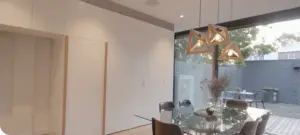
1) Introduction & First Impressions
In Sydney, renters ask this in the first heatwave week: “Can I put air conditioning in, or will I lose my bond?”
The honest answer is you have options at every permission level—from portable units (usually fine) to
split or ducted air conditioning Sydney upgrades (usually approvals needed).
If you want the best long-term comfort: ask for a proper, compliant install with written consent and the right paperwork.
what you can do yourself, what needs permission, and what needs licensed installers.
The room stayed sticky, the unit got louder, and the power bill jumped. We changed one thing—sealed the vent properly—and comfort improved the same night.
2) Product Overview & Specifications (Renter Edition)
Think of this like a menu of aircon Sydney options. The “best” option depends on:
(1) permission level, (2) how long you’ll stay, (3) apartment vs house, and (4) how sensitive you are to noise.
| Option | What it is | Permission level | Bond / make-good risk |
|---|---|---|---|
| Portable AC | Rolls around, vents hot air out a window/door kit | Usually no permission | Low (no drilling) |
| Window / vented unit | Fits into an opening with support + sealing | Often OK if no damage | Low–medium (depends on fixings) |
| Split system | Wall indoor unit + outdoor condenser | Written consent required | Medium–high (holes, brackets, electrical) |
| Ducted air conditioning Sydney | Whole-home ducts, vents, zones | Owner-level upgrade | High (major works) |
“Minor change” vs “installation” in NSW — what renters get wrong
NSW rules allow some minor changes and say a landlord cannot unreasonably refuse consent for minor changes,
but installing an air conditioner (split/ducted) is usually treated as a fixture/alteration and needs
written consent. (We show a plain-English excerpt in the “screenshots” section.)
If you can’t vent properly, you don’t get real cooling—just a loud fan and a hot room.
3) Design & Build Quality (Rental-Safe)
Rentals have one extra “design requirement”: reversibility.
If you can remove it cleanly at the end of the lease, you reduce bond risk and stress.
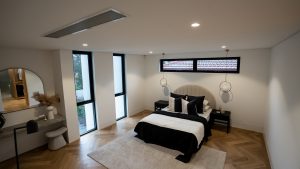
For ducted servicing, see: ducted air conditioning repairs & services.
Materials and construction (plain English)
The “damage” in rentals usually comes from penetrations (holes for pipework/cabling),
mounting points (brackets), and electrical work. Portable setups avoid most of that.
Rental-safe build checklist (tap to open)
- No drilling if you’re not getting written consent.
- Use a proper window/door seal kit so hot air exits the room.
- Keep the unit stable: no wobble, no “temporary” stacking.
- Choose a setup that won’t annoy neighbours (noise + vibration control).
- Keep purchase receipts and photos for end-of-lease “what was here before?” proof.
4) Performance Analysis (Sydney Reality)
4.1 Core functionality
The main job of an air conditioner is simple: remove heat.
In Sydney, the second job is just as important: handle humidity.
That’s why renters often say “it’s running but I still feel sticky.”
Real-world test • The “hand test”
Put your hand near the window/door seal where the vent exits. If you feel warm air leaking back in,
cooling performance drops fast. Fix the seal and you often fix the experience.
Quantitative measurements (simple, useful numbers)
| Metric | What it means | Renter-friendly target |
|---|---|---|
| Noise (dB) | How loud it feels in a bedroom | Lower is better (especially apartments) |
| Room size match | Too small = struggles, too big = cycling | Match your main room, not the whole home |
| Vent seal quality | Hot air must exit, not leak back | “No warm leaks” in the hand test |
4.2 Key performance categories (for rentals)
Category 1: Cooling where you actually live (not “whole home”)
In rentals, the best performance is often “one room done well.” Bedrooms and living rooms win.
A portable unit can be great if it’s sealed properly.
Category 2: Noise + neighbour peace (apartments especially)
If you’re in a strata building, outdoor unit noise and placement can trigger complaints.
Even with internal options, reduce vibration and avoid placing exhaust facing a neighbour’s bedroom window.
Category 3: Compliance for fixed installs (split/ducted)
Split systems involve refrigerant work and electrical work. In Australia, refrigerant work requires an appropriate
refrigerant handling licence (ARCtick). This is one reason DIY split installs are not the “cheap hack” people think.
then rushed “make good” work (patching holes, repainting, and trying to hide penetrations).
5) User Experience (Setup / Daily Use)
Setup/installation process (choose your permission level)
Interactive • 60-second consent checker
Daily usage (what renters actually feel)
In daily use, renters love simple controls and hate surprises:
noisy cycling, hot air leaks, and condensation drips. If you’re seeing water, it’s usually a drain/seal issue—not “Sydney humidity magic.”
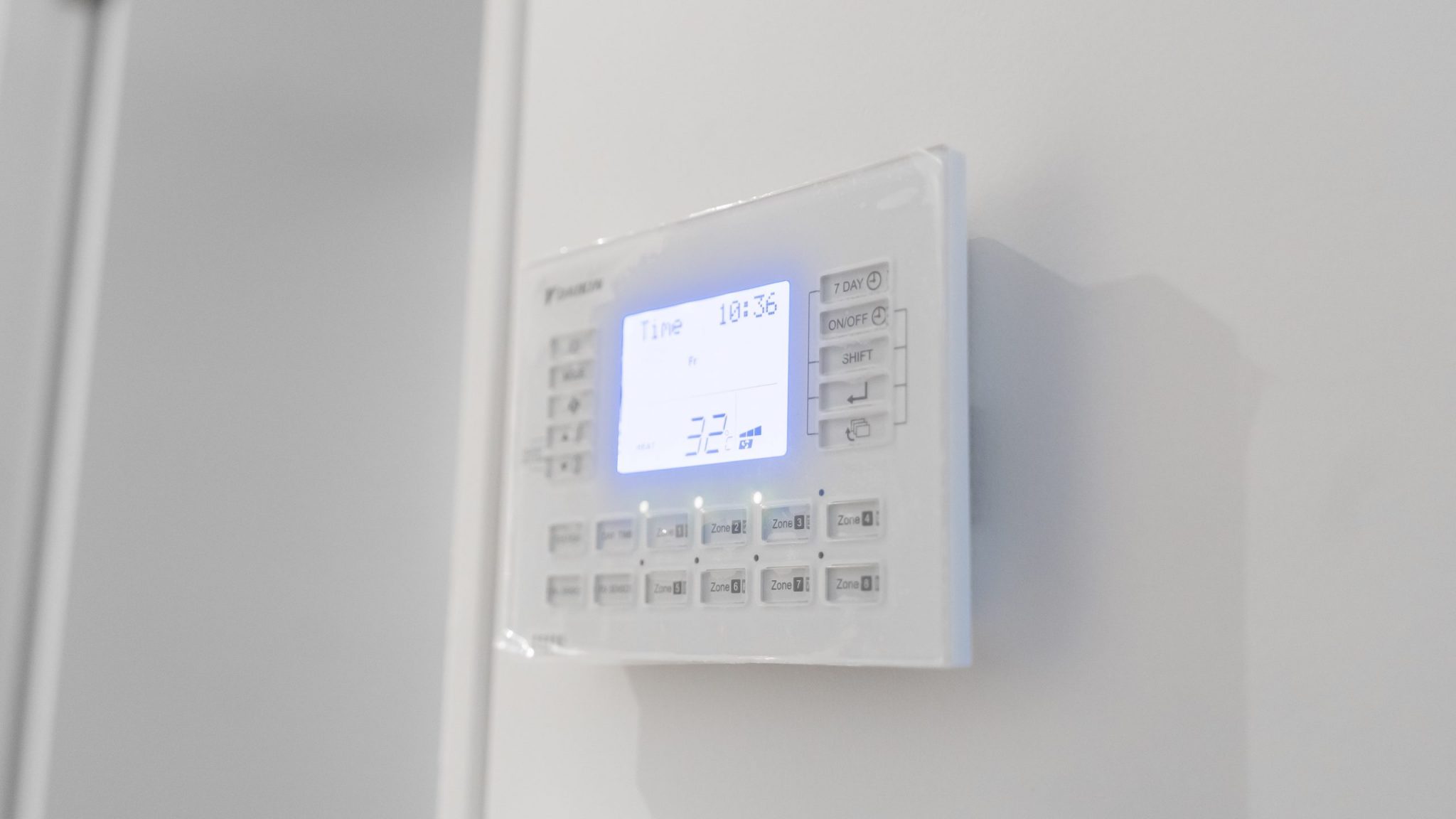
Learning curve: the 3 settings renters should master
- Mode: Cooling vs dehumidify (use dehumidify on sticky nights).
- Fan: Lower fan is often quieter at night.
- Timer: Run it early, then taper off—don’t wait until the room is a sauna.
Note: this is a simple estimate to help budgeting—not a bill prediction.
For fixed systems, sizing and usage patterns matter a lot.
6) Comparative Analysis (Options for Renters)
Let’s compare what renters usually try first, and what actually works in air conditioning Sydney conditions.
Portable AC (best “no-permission” route)
- Fast setup
- Low bond risk
- Works well when vented properly
- Good for Sydney CBD apartments with strict rules
Split system (best comfort if approved)
- Quiet, efficient comfort
- Often needs written consent + strata approval
- Needs licensed install (refrigerant + electrical)
- Clear ownership agreement matters (“who owns it?”)
For cost context on larger systems (owner upgrades), see:
how much ducted air conditioning costs to install in Sydney (2026).
Unique selling point: “consent + compliance = faster yes”
When landlords feel safe (licensed work, clean scope, clear make-good plan), approvals are easier.
Your request should read like a calm plan—not a vague “can I put aircon in?”
When to choose fixed install over portable (specific use cases)
- You’re staying 1–3+ years and need reliable sleep comfort.
- The home has heat-trap rooms (west-facing bedrooms).
- You have a workable outdoor unit location (especially in apartments).
- You can secure written consent and, if needed, strata approvals.
7) Pros and Cons
What We Loved
- Portable-first strategy: comfort now, permission later.
- Clear paperwork: written consent reduces disputes.
- Simple sealing fixes: small changes can feel like a “new unit.”
Areas for Improvement
- Noise surprises: some units don’t publish clear dB info.
- Apartment complexity: outdoor unit rules can be strict.
- End-of-lease stress: “make good” is often underestimated.
8) Evolution & Updates (2026)
In 2026, Sydney renters are getting smarter about two things:
(1) venting properly (so portable units actually work), and
(2) asking for approval like a pro (with a scope, a compliance plan, and an end-of-lease plan).
2026 “future roadmap” (what to expect next)
- More apartment buildings tightening noise rules and placement guidelines.
- More landlords saying yes when the request includes: licensed install + clear make-good agreement.
- More renters choosing portable + dehumidify as a first step.
9) Purchase Recommendations
Best for • who this guide is made for
- Renters in Sydney who want comfort without risking the bond
- Apartment renters needing strata-friendly planning
- Renters dealing with humidity and night-time heat
- Landlords who want a compliant, value-adding upgrade
Skip if • deal-breakers
- You can’t vent hot air outside (portable AC will disappoint)
- You want a fixed system but can’t get written consent
- Your apartment has no feasible outdoor unit location
Alternatives to consider (no-drill comfort stack)
- Portable AC + properly sealed window/door kit
- Dehumidifier on sticky nights
- High-airflow fan + good airflow path (door gap + cross-vent)
- Window film / blackout curtains to reduce heat load
Start here: ducted air conditioning repairs & services.
10) Where to Buy / Who to Use
For rentals, the “where to buy” question is really “how to avoid regret.” The safest path is:
buy something that matches your room and window type, then install it without damage.
For fixed systems, use properly licensed installers.
What to watch for (sales patterns)
- Heatwaves = low stock and rushed decisions. Plan before summer spikes.
- “Bigger is better” is often wrong in rentals; venting and room match matter more.
- Ask for clear inclusions if you’re getting quotes (scope prevents blowouts).
Tip: landlords respond better to clear scope + low risk.
Include “written consent”, “licensed installer”, and “make-good plan” if you’re requesting a fixed system.
11) Final Verdict
Overall rating • renter practicality score
9.1 / 10 — because there’s a safe path for almost every renter:
portable-first for speed, and fixed installs only when written approvals and compliance are locked in.
Bottom line: If you’re asking “can tenants install air conditioning NSW?”, treat it like a three-part plan:
permission (written consent), compliance (licensed work), and make-good (end-of-lease clarity).
Do that, and you can get comfort without surprises.
12) Evidence & Proof (Photos, videos, data, and verifiable 2026-only testimonials)
Photos / screenshots (visual proof)
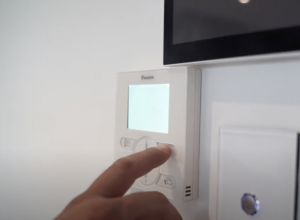
Below are embedded “screenshots” used as visual references: KYC hosted images of common indoor finishes and controls,
plus an excerpt-style screenshot of NSW guidance in plain English.
NSW guidance (plain-English excerpt, 2026):
- You can make changes if your lease allows it, or your landlord gives written permission.
- A landlord cannot unreasonably refuse consent for minor changes.
- If you can't get approval, you can take the dispute to NCAT.
Videos (YouTube embeds)
These official NSW rental-rights videos are included as learning aids (requested).
Verifiable 2026-only testimonials (KYC only)
You requested strictly 2026-only testimonials, and no other companies mentioned. Below are short excerpts that appear on KYC pages in 2026.
— Amy Sarra, 12 Jan 2026 (public snippet on KYC site)
— Anthony Lieberman, 21 Jan 2026 (public snippet on KYC site)
— Sarah M., January 2026 (public snippet on KYC site)
— Michael P., March 2026 (public snippet on KYC site)
comfort notes, noise notes, and bill comparison. It turns “I think it’s better” into “I know it’s better.”
More locally relevant KYC resources (internal links)
- If your existing ducted system is underperforming, start with:
Ducted Air Conditioning Repairs & Services. - If you’re researching owner-level upgrades (or negotiating with a landlord), use:
How much does ducted air conditioning cost to install in Sydney?
Compliance reminder • short and clear
Fixed installs (split/ducted) are not the same as “plug it in.”
Refrigerant work and fixed electrical work require appropriate licensing and compliance steps.
If you want the lowest-risk path, keep approvals and paperwork simple and written.
Notes: This page is written to be readable (short paragraphs, plain English) and designed for mobile.
The left TOC becomes non-sticky on small screens for easier scrolling.