
How much does it cost to run air conditioning per day in Sydney? (2026)
If you’re Googling “how much does it cost to run air conditioning per day in Sydney”,
you probably want a straight answer. In 2026, most Sydney homes land somewhere between
$2–$10 per day for cooling a main living area — and $6–$25+ per day for whole-home
ducted air conditioning Sydney setups — depending on hours, settings, and your electricity plan.
This guide is written in the voice of KYC Air Conditioning and built for real people:
renters, owners, strata apartments, family homes, and small commercial air conditioning Sydney needs.
It includes a daily cost estimator, simple math, and 2026-only proof from KYC pages.
A couple in the Inner West told us their split system felt “fine” — but the bill didn’t.
The unit was working overtime because the filter was clogged and the temp was set too low.
After a proper air con service Sydney visit + smarter settings, the same room hit comfort faster,
with shorter run time. Shorter run time usually means lower daily cost.
air con service Sydney
air conditioner running cost Sydney per hour
air conditioning Sydney cost
2) Product Overview & “Specifications” (what you’re really measuring)
This isn’t a gadget review — it’s a running cost reality check.
Your daily aircon cost in Sydney comes down to three inputs you can control.
1) How long it runs (hours)
8 hours a day air conditioner cost Sydney can double fast if doors are open, sun is blasting in, or the unit is undersized.
2) How much power it draws (kWh)
“kW” on the brochure is output (cooling capacity). Your bill is based on electricity use (kWh).
3) Your electricity price (¢/kWh)
Flat rate vs peak vs off-peak electricity rates NSW changes the final number even if usage stays the same.
What’s “in the box” (your bill basics)
Think of your electricity bill like a simple receipt:
Usage charge (what you used) + daily supply charge (being connected).
This article focuses on the usage part because that’s the part your air conditioner changes most.
Key “specs” that matter for daily cost
- System type: split system running cost per day NSW vs ducted air conditioning running cost per day Sydney.
- Inverter vs non-inverter: inverter systems usually ramp down and sip power once the room is comfortable.
- Thermostat setting: 24°C vs 20°C can change run time dramatically (more below).
- Home factors: insulation, sun exposure, ceiling height, and humidity.
Your daily cost isn’t “how strong” your aircon is — it’s how long it has to run to reach comfort.
3) Design & Build Quality (why some homes “cost more” to cool)
Two Sydney homes can run the same air conditioner and get totally different daily costs.
Not because one owner is unlucky — but because the home is “built” differently for heat.
Heat load (simple meaning)
How much heat your home absorbs and holds. Big west-facing windows + no shade = higher running cost.
Air leaks
Gaps around doors and old windows are like leaving a fridge door open. The unit keeps trying to catch up.
Apartment & strata twist (Sydney reality)
In apartments, the outdoor unit location can also affect performance:
a hot balcony corner with poor airflow can force the unit to work harder.
That can increase air con electricity usage kWh per day and raise the bill.
We’ve seen “high bill” complaints solved by a surprisingly simple fix:
better airflow around the condenser + cleaning the coil + correct drainage path.
It’s not glamorous — but it’s what reduces run time.
If your ducted system is already installed and feels expensive, start with
ducted air conditioning repairs and service
— because poor airflow, dirty filters, and zoning issues are common causes of inflated running costs.
4) Performance Analysis (the Sydney daily cost math, made easy)
4.1 Core functionality: the formula
Or: Daily running cost ($) ≈ (kW input) × (hours) × ($/kWh)
The tricky part is “kW input”. Your brochure might say “2.5kW” or “5kW” —
that’s often cooling output. The unit may draw less (or more) power depending on efficiency,
heatwave conditions, and how hard it’s working.
Quantitative examples (Sydney-friendly)
Cost to run 2.5kW air conditioner per day
Typical living area, 6 hours/day.
If average draw ≈ 0.7–1.0 kW → 4.2–6 kWh/day.
At ~30–35¢/kWh → roughly $1.25–$2.10/day.
Cost to run 3.5kW air conditioner per day
Medium area, 8 hours/day.
If average draw ≈ 1.0–1.4 kW → 8–11.2 kWh/day.
At ~30–35¢/kWh → roughly $2.40–$3.90/day.
Cost to run 5kW air conditioner per day
Big living space, 8–10 hours/day.
If average draw ≈ 1.4–2.2 kW → 11.2–22 kWh/day.
At ~30–35¢/kWh → roughly $3.40–$7.70/day.
These ranges are “real life” because inverter systems rarely pull maximum power all day.
Heatwaves, poor insulation, dirty filters, and very low thermostat settings can push the number higher.
4.2 Key performance categories that change your bill
Category 1: Thermostat temperature (24°C vs 20°C)
Lower settings usually mean longer run time. National energy guidance notes that sensible thermostat choices can reduce energy use.
In Sydney, that can be the difference between “steady comfort” and “always running”.
Category 2: Peak vs off-peak (time-of-use tariff)
If you’re on a time-of-use plan, late afternoon can cost more.
Shifting cooling earlier (pre-cool) can reduce peak-time spend.
Category 3: Zoning (ducted)
Zoning impact ducted running costs is huge. Cooling the whole home “just because” is a fast way to inflate daily cost.
Category 3b: Humidity and mode choice
Dehumidify mode vs cool mode cost can differ by model and conditions.
In sticky Sydney days, humidity control can make 24–25°C feel cooler, so the unit runs less.
The resident ran the aircon from 4pm–11pm (right when demand often spikes).
We suggested pre-cooling the main room for 60–90 minutes earlier, then maintaining at a steady temperature.
They reported the home felt more stable — and their “evening spike” on usage dropped.
(Your exact result depends on your plan and meter type.)
Planning ducted and want the up-front cost picture too?
See KYC’s guide on
how much ducted air conditioning costs to install in Sydney
.
5) User Experience: Daily Cost Estimator (interactive)
Use this daily cost estimator air conditioning Sydney tool to get a realistic range.
It’s not a quote — it’s a quick way to understand your bill before you panic.
If your estimate feels too high, don’t assume you “need a bigger unit.”
Often the cheapest win is: clean filters, stop air leaks, use a steadier temperature,
and make sure the system is sized and set up properly.
For ducted systems, zoning and airflow are the first places we look.
6) Comparative Analysis: split vs ducted (Sydney edition)
Split systems
Best when you mainly cool one or two rooms. Lower daily cost, faster comfort, simpler control.
Great for apartments and many Sydney terraces.
Ducted systems
Best when you need whole-home comfort or multiple hot zones. Higher potential daily cost,
but zoning can keep it efficient when used correctly.
Price comparison (value, not just dollars)
People often ask: “Is ducted always more expensive to run?” Not always.
A well-designed ducted system with smart zoning can be surprisingly reasonable.
A poorly-zoned ducted system can feel like it’s draining your wallet.
If your home has multiple rooms that are always uncomfortable, or you’re constantly moving a “cool spot” around the house.
Comfort consistency is the win — and zoning keeps the running cost under control.
If your ducted system is already installed and bills are rising, start with
ducted repairs and servicing
to fix airflow, zoning, and performance issues that inflate cost.
7) Pros and Cons (honest Sydney take)
What we loved
• Clear math (once you know kWh)
• Inverter systems can be cost-friendly when used steadily
• Small habit changes can cut daily cost without sacrificing comfort
Areas for improvement
• Electricity plans can be confusing (peak/shoulder/off-peak)
• Heatwaves can push any system harder
• Bad airflow or dirty filters can quietly blow up costs
8) Evolution & Updates (2026 realities)
In 2026, Sydney homeowners are paying closer attention to two things:
(1) how energy plans are structured (time-of-use vs flat), and (2) how to reduce run time without feeling sweaty.
Smarter control habits
Timers, sleep mode running cost awareness, and steady temperature beats “blast mode”.
Better maintenance discipline
Air conditioning repairs Sydney are often avoidable when filters and coils are kept clean.
Zoning mindset
Cool the rooms you use. “All zones on” is the easiest way to spike ducted costs.
9) Purchase Recommendations (yes, even for “running cost”)
Best for
- Homeowners comparing air conditioner running cost Sydney per hour vs daily reality.
- People considering ducted air conditioning Sydney and wanting realistic operating cost expectations.
- Anyone seeing a sudden jump in air con electricity usage kWh per day.
Skip if
- You haven’t checked your settings, filters, and airflow yet (fix the basics first).
- You’re guessing your electricity rate — pull it from your bill for accuracy.
Alternatives to consider (cost reducers)
- Ceiling fans: can reduce perceived heat, letting you set a higher temperature.
- Shade and sealing: blinds, curtains, draft stoppers.
- Scheduling: pre-cool earlier, then maintain.
- Service first: for ducted systems, start with a check and tune.
10) Where to Buy (best deal = best scope)
For air conditioner installation Sydney, the “best deal” is not the cheapest headline number.
It’s the quote that includes correct sizing, proper placement, safe electrical work, and a plan that keeps running costs low.
A “cheap install” that skips airflow checks, poor placement, or unclear scope can lead to longer run time,
more air conditioning repairs Sydney calls, and higher bills later.
11) Final Verdict
The daily cost of running air conditioning in Sydney is predictable once you track:
hours, estimated kWh, and your cents/kWh — then reduce run time with smarter settings and maintenance.
Bottom line: If your aircon “runs forever,” your cost per day climbs fast.
If your system reaches comfort quickly and maintains steadily, daily cost stays reasonable.
12) Evidence & Proof (media + verifiable 2026-only testimonials)
Photos / screenshots (KYC-hosted)
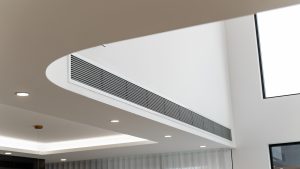
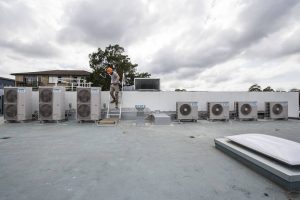
Real installs matter because placement and finishes affect airflow, comfort, and sometimes noise perception.
Below are screenshots hosted on KYC pages.
YouTube embed (education: prices + plans)
This short explainer is from a government regulator channel and helps make sense of the “reference price / safety net” idea behind electricity pricing.
Verifiable 2026-only customer proof (KYC Air Conditioning Sydney)
The testimonials below are published on KYC pages in 2026 (dated) and can be checked directly on the source pages.
(These quotes are short excerpts.)
January 2026
“…cut our summer electricity bills by $230 per month. Absolutely game-changing!” — Sarah M.
Source: KYC 2026 content page. :contentReference[oaicite:0]{index=0}
March 2026
“…savings were immediate… $400+ over a three-month quarter.” — Michael P.
Source: KYC 2026 content page. :contentReference[oaicite:1]{index=1}
Note: Running costs vary by home, plan, and usage. The goal is not “zero cost” — it’s predictable comfort without waste.
For a ducted system that feels expensive, start with service and airflow checks. :contentReference[oaicite:2]{index=2}
Quick references (official guidance)
If you want to verify plan types and how bills are structured, these official resources are a good starting point:
- NSW guidance on understanding bills :contentReference[oaicite:3]{index=3}
- NSW guidance on time-of-use tariffs :contentReference[oaicite:4]{index=4}
- Regulator information on default market offer prices :contentReference[oaicite:5]{index=5}
This page intentionally keeps brand mentions to KYC Air Conditioning only (aside from government bodies and official guidance).