
Air Conditioner Not Cooling in Sydney? Common Problems, Repair Costs and When to Replace It
Air conditioner not cooling Sydney? Start by checking the mode, temperature, filter and obvious airflow blockages; if the system still blows warm air, has weak airflow, leaks, ices up, trips power or repeatedly stops, it needs a licensed fault diagnosis rather than guesswork.
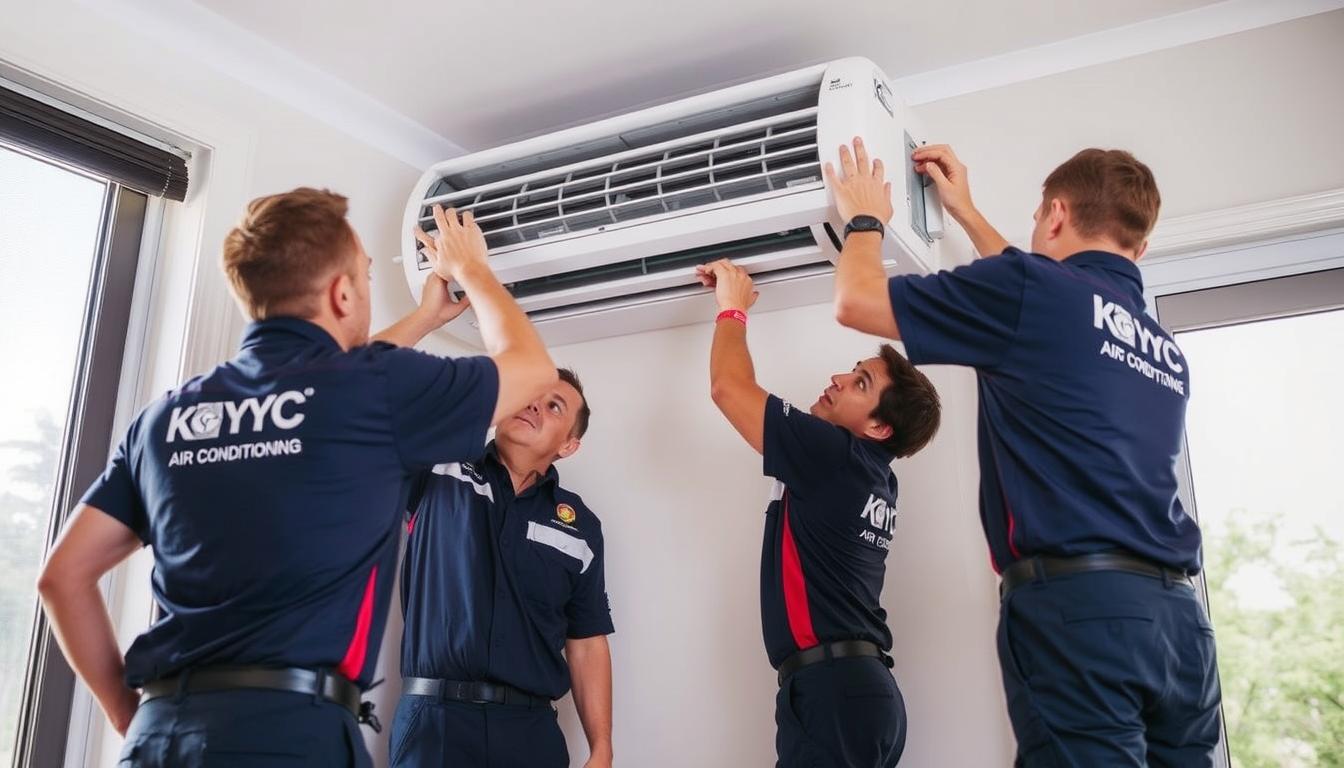
Air conditioner not cooling Sydney? Do these five safe checks first
Before you assume the worst, rule out the simple things. A surprising number of “air conditioning not working Sydney” calls begin with a setting, airflow restriction or power reset issue. These checks take only a few minutes and do not require you to dismantle the unit.
1. Confirm the mode
Set the controller to Cool, not Fan, Dry or Heat. Choose a temperature below the current room temperature and give the system time to respond.
2. Check the filter
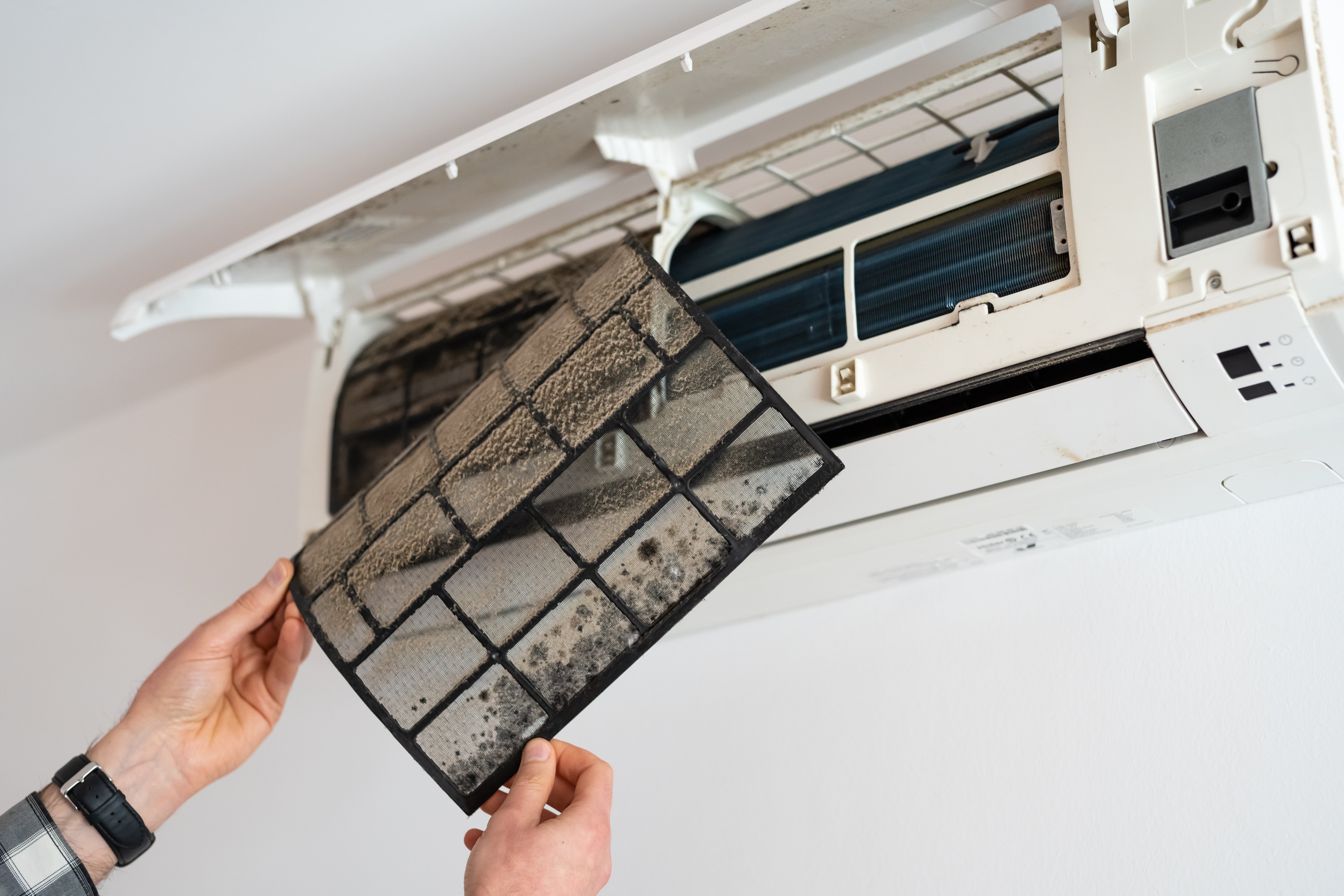
A heavily loaded return-air or split-system filter can reduce airflow. If the filter is designed to be user-cleaned, follow the manufacturer’s instructions before restarting.
3. Look for blocked air paths
Make sure supply vents, return grilles and the outdoor unit are not smothered by furniture, stored items, leaves or other obvious obstructions.
4. Check the controller and power
Replace remote batteries if needed. If a breaker has tripped, do not repeatedly reset it. Repeated tripping can point to an electrical fault that needs professional attention.
5. Note what the system is doing
Is the indoor fan running? Is the outdoor unit running? Is the airflow weak, normal or absent? Is there ice, water, an error code, buzzing or a burning smell? These clues speed up fault diagnosis.
Stop if there is a safety sign
If you smell burning, see damaged wiring, hear harsh electrical buzzing or the system repeatedly trips protection, switch it off and arrange qualified help.
Interactive symptom checker
Select the closest symptom. This is a triage guide, not a diagnosis.
What are the most common aircon cooling problems?
The symptom “not cooling” does not identify one fault. It describes an outcome. The real cause may be simple, or it may sit inside the refrigeration, electrical, airflow or control side of the system.
Dirty filter or restricted airflow
If air cannot move freely across the indoor heat exchanger, cooling performance falls. You may notice weak airflow, longer run times or rooms that never reach the set temperature. A clean filter will not fix every fault, but it is one of the first things worth checking.
Incorrect mode, sensor or controller problem
A controller can be set incorrectly, or a temperature sensor may not be reading the room properly. Some systems can also delay operation after a mode change or restart. If the controls look right but the unit behaves unpredictably, diagnosis is the next step.
Outdoor-unit airflow problem
The outdoor unit needs clear airflow to reject heat. Heavy debris, an obstructed discharge area or a fan problem can reduce performance. Do not remove electrical covers or put hands inside the unit.
Drainage or condensate fault
Cooling creates condensation. A blocked drain, failed pump or drainage issue can cause water leakage or trigger protective shutdowns on some systems. Water near electrical components is a reason to stop using the unit until it is checked.
Refrigerant-system fault
Possible air conditioner refrigerant leak symptoms include reduced cooling, icing, unusually long run times or performance that has declined over time. Those signs are not proof of a leak. A licensed technician needs to test the system before deciding what is wrong.
Electrical, capacitor, motor or compressor fault
If fans do not start, the unit hums, protection trips, or the system starts and stops, the cause may be electrical or mechanical. These faults should not be DIY jobs.
Split system not cooling vs ducted air conditioning not cooling
A split system not cooling often presents as one room getting warm even though the indoor fan still runs. A ducted air conditioning not cooling complaint can be broader: the whole house may be warm, or just one zone may have poor airflow.
| What you notice | Possible direction | Useful clue to record |
|---|---|---|
| Split system blows warm air | Mode/settings, outdoor unit, refrigeration or electrical fault | Does the outdoor unit start? Any error code? |
| Split system has weak airflow | Filter, indoor fan, coil restriction or airflow issue | When was the filter last cleaned? |
| All ducted zones are warm | Central system, controller, refrigeration, airflow or electrical issue | Is the return-air grille drawing air? |
| One ducted zone is weak | Damper, duct, outlet or zone-control issue | Which zones work normally? |
| Ducted system cools unevenly | Air balance, duct condition, zoning or capacity/load issue | Which rooms struggle and at what time of day? |
What does each symptom usually tell you?
If your air conditioner is blowing warm air, do not jump straight to one answer. Warm air can come from a control issue, an outdoor-unit problem, a refrigeration fault or a system that has shut down part of its cooling cycle.
Ice is also a clue, not a diagnosis. It can be associated with airflow problems or refrigeration conditions. Switching a badly iced system straight back on can make troubleshooting harder. Water leakage may point to drainage, icing or installation-related issues. Repeated breaker trips move the problem into a higher-risk category and need a qualified inspection.
How much do air conditioning repairs Sydney homeowners need to budget for?
There is no responsible one-price answer without a diagnosis, and this guide intentionally does not publish a made-up fixed amount. Repair cost depends on the fault, system type, access, labour, parts availability, refrigerant work, electrical work and whether more than one problem is present.
A useful way to think about cost is by repair complexity:
| Complexity | Typical type of work | What changes the quote |
|---|---|---|
| Lower complexity | Minor service-related corrections, straightforward user-accessible maintenance findings or simple replaceable components | Access, system model and part availability |
| Moderate complexity | Pump, fan, sensor, control or more involved electrical/mechanical diagnosis | Testing time, component cost and access |
| Higher complexity | Major refrigeration, compressor, coil, control-board or multi-fault work | Age, refrigerant type, parts, labour and whether replacement is more sensible |
For a specific repair cost, call KYNEX Air Conditioning & Trades on 0484 59 59 59 and describe the symptoms, system type, age if known, and any error code. A proper quote should follow diagnosis rather than a guess from a single symptom.
Air conditioner repair or replace: which makes more sense?
The best decision is not “old equals replace” or “repair is always cheaper.” It is a comparison between the likely repair outcome and the condition of the whole system.
Repair is often sensible when…
- The fault is isolated and clearly diagnosed.
- The system has otherwise been reliable.
- Parts are available.
- Cooling performance was good before the fault.
- The unit still suits the room or home.
Replacement deserves a serious look when…
- Breakdowns are becoming frequent.
- A major component has failed and other wear is evident.
- Parts are difficult to source.
- The system is badly mismatched to the space.
- Comfort is poor even when the unit is technically running.
For homeowners comparing air conditioning installation Sydney with another repair, ask for two things: the repair scope and the replacement case. Then compare likely lifespan, comfort, reliability, disruption and warranty—not just the first number on the page.
Who should diagnose an air conditioning fault in Sydney?
NSW Government guidance updated in 2026 says air-conditioning and refrigeration work requires the relevant licence or certificate. It also treats this work as specialist work. Refrigerant work is separately regulated at the national level; the Australian Refrigeration Council states that work carrying a risk of regulated refrigerant emission requires a Refrigerant Handling Licence.
How KYNEX Air Conditioning & Trades can help when your aircon is not cooling
KYNEX provides air conditioning repairs Sydney, air conditioning maintenance Sydney and air conditioning installation Sydney. Its published repair process includes an initial assessment, diagnostic testing, repair-or-replacement recommendations and final operational testing.
That sequence matters. A useful air conditioning fault diagnosis Sydney visit should explain what was tested, what failed, what is still uncertain, and what the next step is. It should not begin with a confident diagnosis based only on “it blows warm air.”
Need the system checked?
KYNEX Air Conditioning & Trades
Suite 206 Level 2/71 Belmore Rd, Randwick NSW 2031
Phone: 0484 59 59 59
A practical Sydney example: why diagnosis beats guessing
Imagine a split system in a Randwick apartment that still turns on but no longer cools the living room. The filter is dirty, so it is tempting to blame the whole problem on airflow. After cleaning the filter, the airflow improves—but the air remains warm. That tells you the filter was a problem, not necessarily the problem.
Now compare that with a ducted home where the living zone is cool but two bedrooms barely move air. That pattern points the investigation in a different direction: zone control, dampers, duct condition or air balance may deserve attention before anyone assumes a refrigerant fault.
This is why symptom-based articles should help you triage, not pretend to diagnose a complex HVAC system from a web page.
Frequently asked questions
Why is my air conditioner running but not cooling?
Common reasons include incorrect settings, restricted airflow, a dirty filter, an outdoor-unit problem, sensor/control faults, drainage issues, electrical faults or a refrigeration problem. Safe user checks can narrow the field, but persistent warm air needs professional diagnosis.
Why is my split system not cooling but the fan still works?
The indoor fan can run even when the cooling cycle is not operating correctly. Check the mode and filter first. If warm air continues, arrange diagnosis rather than assuming the fan proves the whole system is working.
Why is my ducted air conditioning not cooling one room?
When only one room or zone is affected, the problem may involve a damper, duct, outlet, zone control or airflow balance. Record which zones work and which do not before the technician arrives.
What are common air conditioner refrigerant leak symptoms?
Reduced cooling, icing and unusually long run times can be consistent with a refrigerant-system fault, but they are not proof. A licensed technician needs to test the system.
Can I keep running an air conditioner that is not cooling?
If it is merely struggling, continued operation may waste energy and can make some faults worse. If there is burning, repeated tripping, heavy icing, leaking water near electrical components or unusual electrical noise, switch it off and seek qualified help.
How do I decide between repair and replacement?
Compare the fault severity, repeat breakdown history, parts availability, age and condition of the system, previous cooling performance, suitability for the property, expected reliability and warranty position.
Related KYNEX guides and service pages
Air Conditioning Service Sydney: What Does a Professional Service Include and Cost?